







Traditional Van Gujjar storage for a lower-plastic future
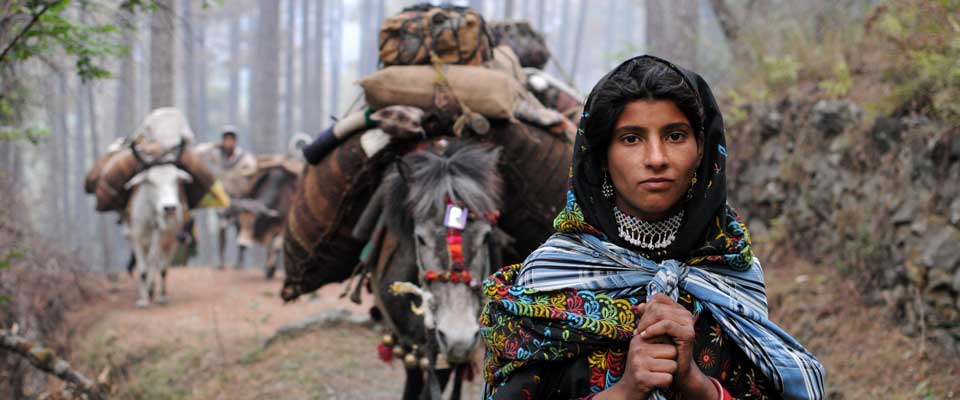
Across the Himalayan foothills, Van Gujjar families have long stored milk, water, grains and household goods using materials suited to pastoral life. Their containers reflect practical knowledge: what can be repaired, carried by pack animal, washed beside a stream or made from locally available resources. This knowledge offers useful sustainable alternatives to plastic for communities far beyond northern India.
For households in Australia, the idea is relevant in everyday ways. People in Sydney, Melbourne and Brisbane are increasingly choosing reusable shopping bags, refillable water bottles, cloth produce bags and glass jars. Farmers’ markets and package-free shops have created a stronger market for durable storage, while state and territory restrictions on certain single-use plastics are encouraging a shift in purchasing habits.
Traditional Van Gujjar containers are not a simple replacement catalogue for modern packaging. They represent a system built around reuse, maintenance and careful consumption. Learning from that system can help households, community groups and ethical businesses consider how storage can support environmental care, cultural dignity and local livelihoods.
Storage shaped by pastoral life
Van Gujjar families traditionally move with buffalo herds between seasonal grazing areas, so storage must be lightweight, reliable and easy to handle. Metal vessels, earthenware pots, woven baskets, wooden implements and cloth sacks can serve different purposes, from carrying water to protecting flour, pulses and animal feed.
A container’s value comes from its long working life. A dented metal vessel may be repaired, a woven basket may be rewoven and a cloth bag can be washed and used repeatedly. This is a different approach from disposable packaging, which often becomes waste after a single purchase or delivery.
Natural and durable materials
Earthen pots help keep water and some foods relatively cool through evaporation, making them useful in warm conditions where refrigeration is limited. Woven fibre baskets allow ventilation for selected produce, while cloth sacks are suitable for dry grains and other goods that need to breathe. Metal containers are particularly practical for liquids because they are strong, washable and resistant to repeated handling.
Material choice must match the food and climate. Moisture-sensitive goods need protection from insects and humidity, while dairy products require rigorous hygiene and temperature control. Guidance on buffalo nutrition practices supports the wider connection between healthy animals, safe milk handling and responsible pastoral livelihoods.
Lessons for Australian households
An Australian kitchen can apply these principles without copying every traditional form. Glass jars can replace disposable tubs for pantry staples, stainless-steel canisters can store tea and coffee, and washable cotton bags can carry bread or dry goods. At a Melbourne refill shop or a weekend market in Brisbane, shoppers can buy only what they need and reuse the same container many times.
Daily habits matter. Carrying a reusable cup for takeaway coffee, keeping a food container in a work bag and selecting loose fruit and vegetables can reduce packaging at the point of purchase. In Sydney, where apartment living may limit storage space, a small set of stackable containers can be more useful than a cupboard filled with single-purpose plastic items.
Reuse, hygiene and local rules
Traditional storage works because cleaning, drying and maintenance are part of the routine. Australian households should wash reusable containers thoroughly, allow them to dry completely and avoid using porous materials for foods that may spoil quickly. Separate containers for raw ingredients, cooked food and household chemicals can reduce contamination.
Plastic reduction also needs to follow local regulation. Australia’s states and territories are phasing out or restricting items such as lightweight shopping bags, plastic cutlery and some takeaway packaging, with exact rules differing between jurisdictions. Checking council guidance and choosing approved reusable products helps households reduce waste without creating confusion for retailers or community events.
Supporting communities and living knowledge
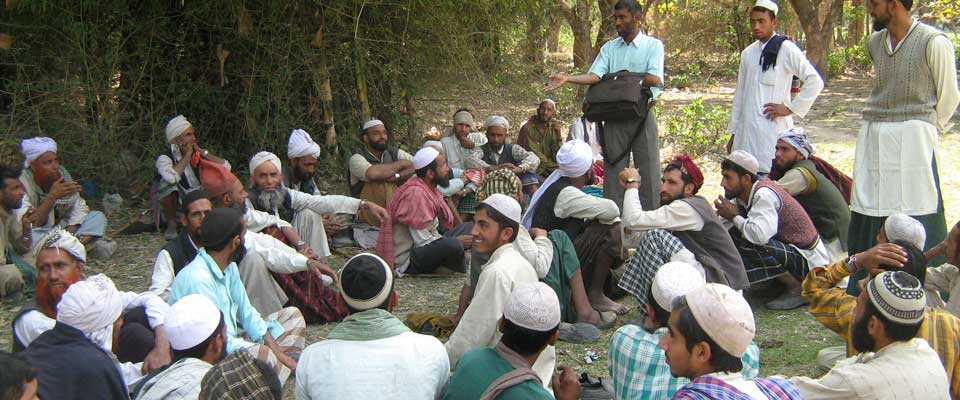
Sustainable storage should not be treated as a design trend detached from the people who developed these practices. For Van Gujjar communities, pastoral knowledge is connected with forest access, domicile rights, buffalo husbandry, milk marketing and the ability to maintain a mobile way of life. Protecting that knowledge means supporting community leadership and fair recognition.
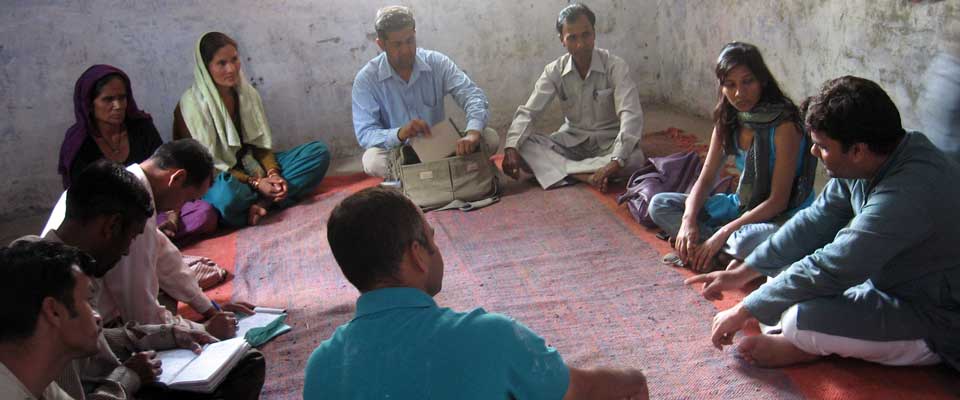
Organisations such as SOPHIA connect rights-based advocacy with practical work among Van Gujjar and Himalayan village communities. Partnerships with Australian schools, ethical retailers, environmental groups and cultural organisations could help share knowledge respectfully, without turning community traditions into mass-produced lifestyle products.
Plastic reduction becomes more meaningful when it supports repair, reuse and community control. Traditional containers remind us that sustainable storage is a social practice as much as a material choice.
Support SOPHIA’s work by learning about Van Gujjar communities, sharing reliable information, exploring responsible partnerships and contributing to projects that strengthen indigenous rights, pastoral livelihoods and environmental stewardship.