





Buffalo health and nutrition for Himalayan herders
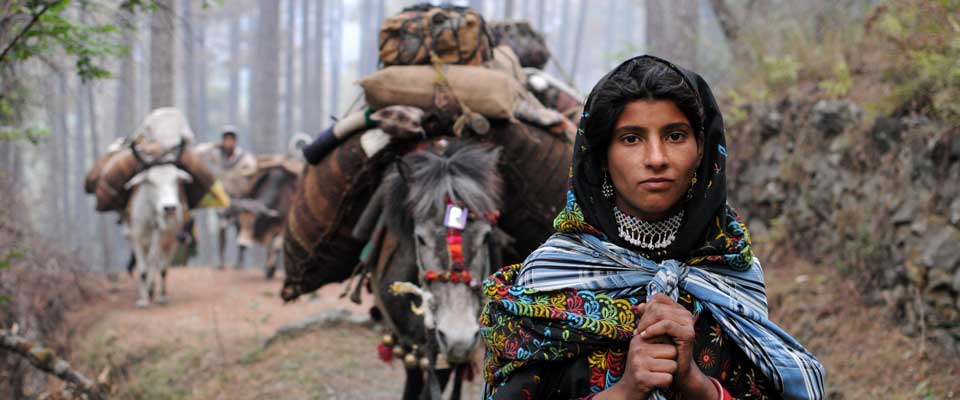
Healthy buffaloes support household nutrition, milk income, and the mobility of pastoral communities. For Van Gujjar and Himalayan village families, good care must work across forest grazing areas, seasonal migration routes, and changing access to fodder and veterinary services.
Buffalo health depends on several connected practices: sufficient feed, clean water, shelter, disease prevention, careful breeding, and early treatment. Small improvements in daily observation can prevent serious illness and reduce losses during difficult seasons.
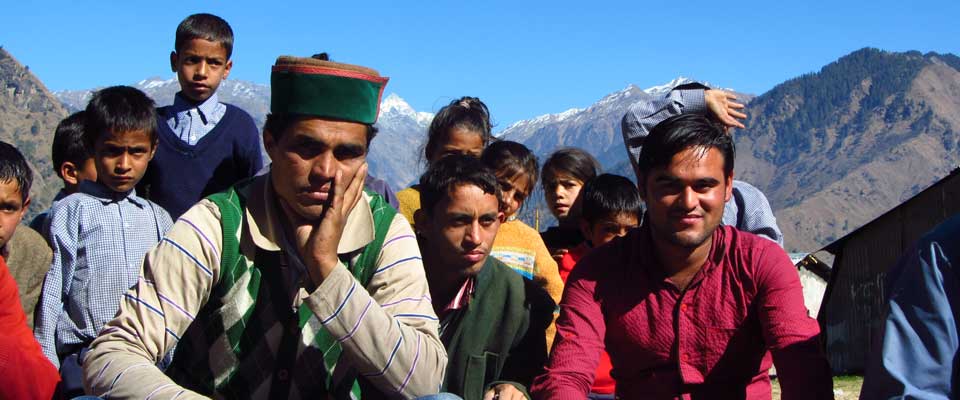
Local knowledge is central to this work. Herders understand pasture conditions, animal behaviour, and seasonal risks. Combining that knowledge with veterinary guidance and community-based support can strengthen both animal welfare and sustainable livelihoods.
Build a balanced daily diet
Buffaloes need a combination of green fodder, dry roughage, and energy-rich feed. Grasses, tree leaves, crop residues, and locally available fodder can provide fibre, while grains, bran, oil cakes, or other concentrates may help animals producing milk or recovering from illness. Feed should be introduced gradually when animals move to a new grazing area.
Lactating buffaloes require additional nutrients, but overfeeding concentrates can cause digestive problems and unnecessary expense. Pregnant animals need particular attention during the final months, while calves require safe, easily digestible feed and regular access to milk. Fodder should be free from mould, plastic, chemical contamination, and poisonous plants.
Make clean water and minerals priorities
A buffalo may drink large amounts in hot weather, during lactation, or after travelling. Clean water should be available as often as possible, with troughs or containers protected from dung and stagnant mud. If animals depend on streams, herders should watch for contamination from human settlements, dead animals, or agricultural chemicals.
Mineral deficiencies can affect growth, fertility, milk yield, and immunity. A locally suitable mineral mixture or salt supplement should be provided according to advice from a veterinary worker. Calcium-related problems around calving require urgent attention, especially when an animal becomes weak, cold, or unable to stand.
Adjust care to the season and landscape
Seasonal migration changes the risks faced by buffaloes. During monsoon periods, wet ground can soften hooves and increase exposure to parasites. In winter, cold nights, limited fodder, and long journeys can reduce body condition. Shade, ventilation, and access to dry resting places are important during summer and heavy rain.
Herders should inspect animals before and after movement between grazing sites. Limping, wounds caused by harnesses, swollen udders, nasal discharge, coughing, diarrhoea, and unusual isolation may be early signs of trouble. Separating a sick animal where practical helps limit disease transmission while veterinary advice is arranged.
| Area of care | Practical action | Warning sign requiring attention |
|---|---|---|
| Feed | Offer clean roughage with suitable supplementary feed | Weight loss, poor appetite, reduced milk |
| Water | Provide clean water and wash containers regularly | Sunken eyes, weakness, very dry mouth |
| Hooves | Check regularly and keep resting areas as dry as possible | Lameness, foul smell, swelling |
| Udder | Wash hands and keep milking equipment clean | Heat, pain, clots, or abnormal milk |
| Parasites | Use veterinary-approved treatment at the right time | Persistent rubbing, anaemia, rough coat |
| Calving | Prepare a clean, quiet area and observe closely | Difficult labour or retained placenta |
Prevent disease through routine observation
Vaccination and parasite control should follow schedules recommended by local animal-health authorities. Community vaccination days can help herders reach remote settlements and reduce travel costs. Medicines should never be shared casually or given at an incorrect dose, because treatment failure and drug resistance can result.
Simple hygiene protects both animals and families. Clean milking vessels with safe water, allow them to dry, and keep dung away from feed and water points. New or returning animals should be observed separately when possible. Promptly report suspected contagious disease, sudden deaths, or clusters of fever and diarrhoea to a veterinary professional.
Protect calves, mothers, and milk quality
A newborn calf should receive colostrum as soon as possible after birth because it provides vital protection against infection. The navel should be kept clean, and the calf should be sheltered from cold rain, damp floors, and aggressive animals. Weak calves need close observation and timely veterinary support.
Before milking, wash hands and clean the udder with safe water, then use a clean, covered container. Milk from an animal showing signs of mastitis or receiving veterinary medicine should be handled according to professional advice and any required withdrawal period. These practices improve household safety and help preserve trust in community milk marketing.
Strengthen herd care through shared action
Record keeping does not need to be complicated. A notebook can include the animal’s identifying mark, calving date, vaccination, deworming, illness, treatment, and milk changes. These records help identify recurring problems and give veterinary workers useful information during visits.
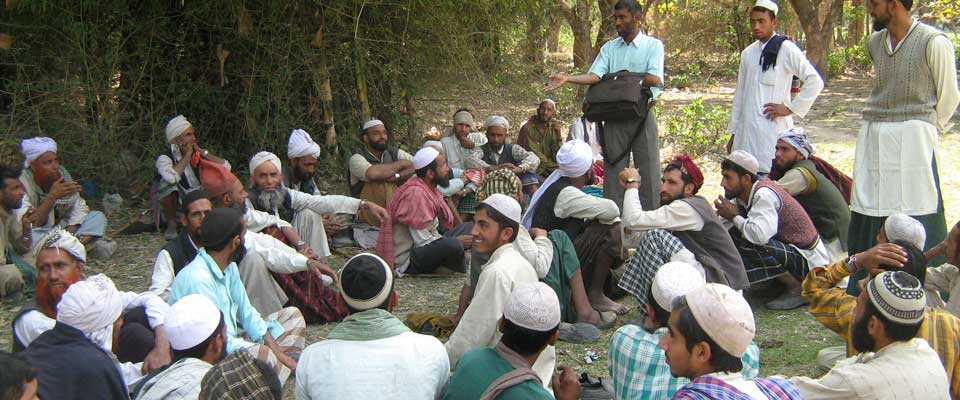
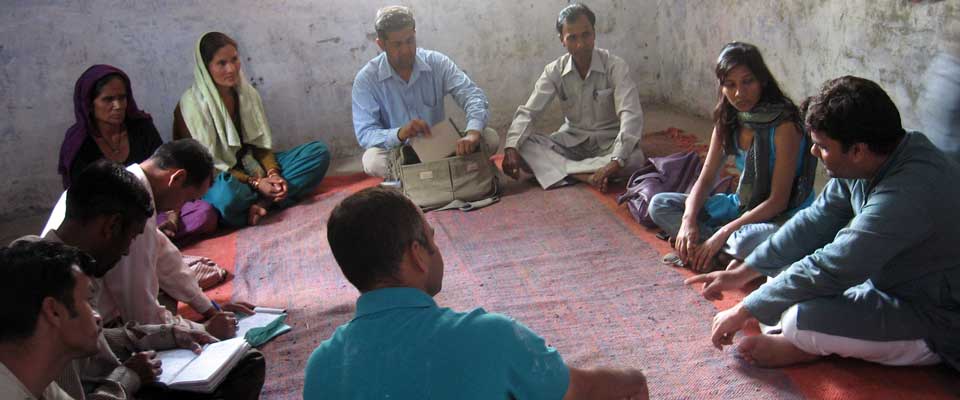
Village groups can coordinate fodder banks, water-point maintenance, vaccination access, and emergency transport. Women and young people, who often contribute substantially to feeding and milking, should have a voice in decisions about animal health, income, and workload.
Practical priorities for herder households
- Observe every buffalo daily for appetite, movement, breathing, dung, udder condition, and behaviour.
- Keep clean water, dry resting space, and safe roughage available during seasonal movement.
- Arrange vaccination, parasite control, breeding, and emergency treatment with qualified animal-health workers.
- Give special care to calves, pregnant animals, recently calved buffaloes, and animals with low body condition.
- Record treatments and respect medicine withdrawal periods before using milk for household consumption or sale.
SOPHIA can help connect community experience with rights-based development, veterinary services, government programmes, and partner organisations. Supporting herder-led animal-health initiatives can improve buffalo welfare while strengthening pastoral livelihoods, food security, and sustainable management of Himalayan landscapes. Get involved through community partnerships, field programmes, knowledge sharing, or support for locally identified needs.