






From buffalo dung to biogas: sustainable energy solutions
Across Himalayan villages and pastoral settlements, buffalo dung is often viewed as a daily by-product of animal husbandry. With the right system, it can become a valuable source of clean cooking fuel, organic fertilizer, and household energy.
Biogas connects sustainable livestock management with better health, lower fuel costs, and reduced pressure on forests. For communities that depend on buffaloes for milk and livelihoods, the approach can turn an existing resource into practical energy security.
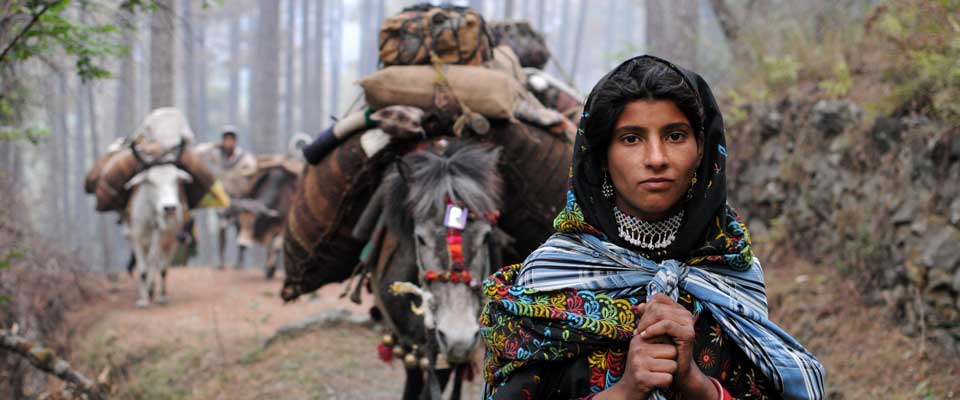
This opportunity is especially relevant to Van Gujjar pastoral communities, whose seasonal movement, forest relationships, and access to public services must be considered when planning rural energy projects. Technology works best when it fits community life rather than imposing a fixed model.
Why buffalo dung matters
A household-scale biogas digester uses anaerobic digestion to break down fresh dung in an oxygen-free chamber. The process produces methane-rich gas for cooking and a nutrient-filled slurry that can be returned to fields, kitchen gardens, or fodder plots.
This creates a circular livestock system. Buffaloes provide milk and manure; manure provides energy; the remaining slurry supports soil fertility. Families can reduce their dependence on firewood, charcoal, or purchased cooking fuel while making better use of materials already available near the household.
Designing for pastoral and village realities
A permanent masonry digester may suit a settled household with regular access to water and a stable cattle shed. It may be less practical for families who move seasonally or live in temporary settlements. Portable, modular, or community-owned systems may provide more flexibility in those settings.
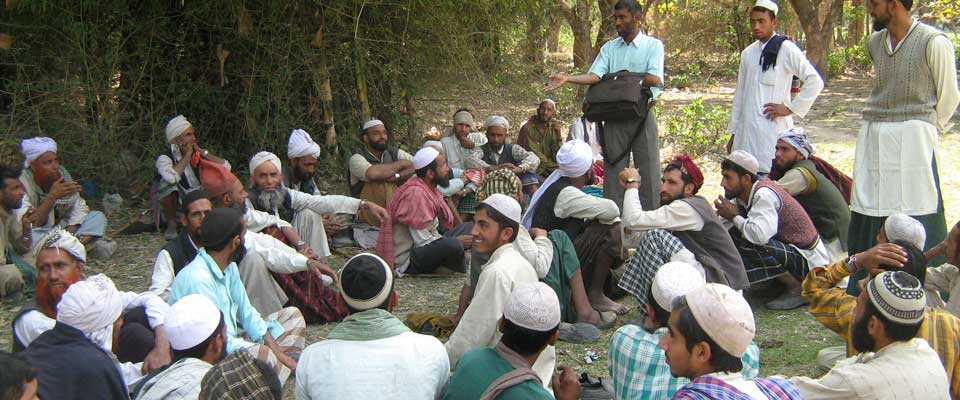
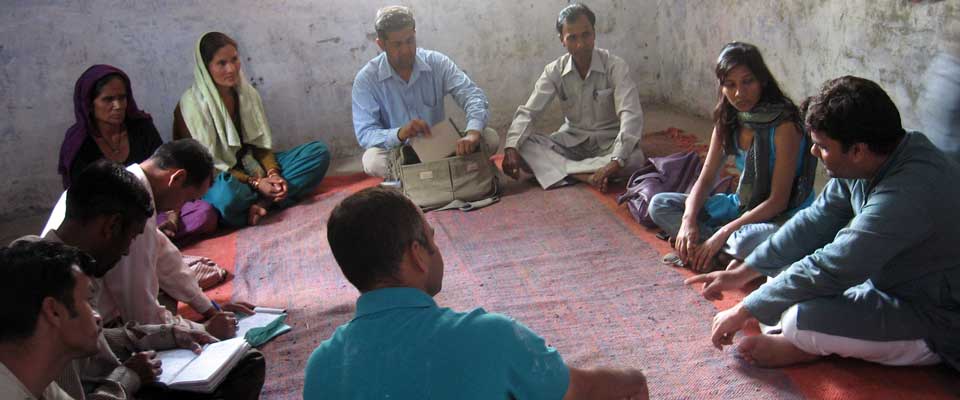
Planning should begin with local knowledge. Community members can identify dung availability, water access, cooking patterns, seasonal routes, and suitable locations. Women, who frequently manage cooking fuel and household energy, should have a meaningful role in decisions about design, maintenance, and benefits.
Benefits beyond clean cooking
Replacing part of the firewood used for cooking can improve indoor air quality and reduce time spent collecting fuel. Cleaner kitchens may be particularly valuable for women, children, and older people who spend long periods near cooking fires.
Biogas also has an economic dimension. Lower fuel purchases can protect household budgets, while composted slurry can strengthen fodder and food production. At the community level, shared digesters may create work in dung collection, system care, gas distribution, and technical repair.
| Energy option | Main input | Useful output | Key consideration |
|---|---|---|---|
| Household biogas | Buffalo dung and water | Cooking gas and bio-slurry | Requires regular feeding and maintenance |
| Firewood | Forest or purchased wood | Heat for cooking | Can increase collection time and forest pressure |
| LPG | Commercial fuel supply | Convenient cooking energy | Costs and availability may vary |
| Solar power | Sunlight | Electricity for lighting and small appliances | Usually does not replace high-heat cooking needs |
| Improved biomass stove | Reduced firewood use | More efficient cooking | Still depends on solid fuel collection |
The best solution may be a combination of technologies. Solar lighting, efficient stoves, and biogas can serve different household needs, reducing pressure on any single energy source.
Making digesters safe and reliable
A biogas plant needs a dependable supply of dung, sufficient water, and routine monitoring. The digester must be protected from damage, and gas pipes, valves, and burners should be checked regularly. Training local operators is as important as installing the structure.
Cold Himalayan conditions may slow digestion during winter, while steep terrain can complicate construction and transport. Designs should account for temperature, drainage, livestock shelter, and the distance between the digester and kitchen. Pilot projects can reveal practical adjustments before wider adoption.
Safety education is essential. Families should learn how to identify leaks, manage pressure, keep flames away from gas storage areas, and respond to blockages. Clear responsibilities help prevent systems from being abandoned after a minor technical problem.
Linking energy with rights and livelihoods
Clean energy projects should support, rather than distract from, broader community priorities. For Van Gujjar and Himalayan village communities, questions of forest access, domicile rights, land security, and pastoral mobility influence whether a household can invest in a permanent facility.
Organizations such as SOPHIA can help connect technical programs with social mobilization, government engagement, and community institutions. This can improve access to public schemes, strengthen local ownership, and ensure that project benefits reach households with limited resources.
Milk marketing and buffalo husbandry also form part of the same livelihood system. Better animal care can increase dung quality and availability, while reliable energy can support milk processing, water heating, and small-scale value addition where local conditions allow.
Priorities for a community energy project
A practical program should begin with a small number of households or a carefully selected shared site. Monitoring gas production, cooking time, maintenance needs, and slurry use can provide evidence for future investment.
Useful priorities include:
- Map buffalo ownership, dung availability, water sources, and seasonal movement before selecting a design.
- Include women, pastoral representatives, and village institutions in planning and oversight.
- Train local technicians to install, inspect, and repair digesters and gas connections.
- Combine biogas with solar lighting or improved stoves where cooking and electricity needs differ.
- Create a maintenance fund and a clear system for sharing costs, labor, gas, and slurry.
Turning buffalo dung into biogas is a practical example of community-led climate action. With locally suitable designs, technical support, and rights-based planning, clean energy can strengthen household welfare while respecting pastoral livelihoods and forest relationships. SOPHIA’s partnerships, field experience, and community-centered work can help bring these solutions closer to the people who can benefit from them.