

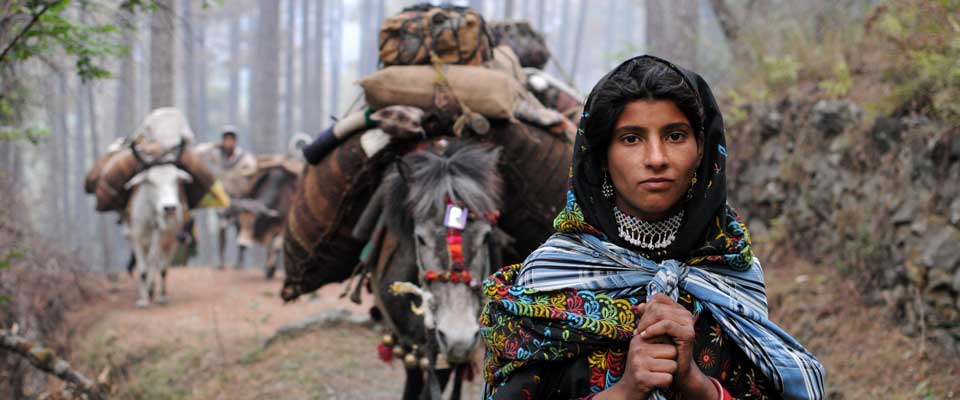
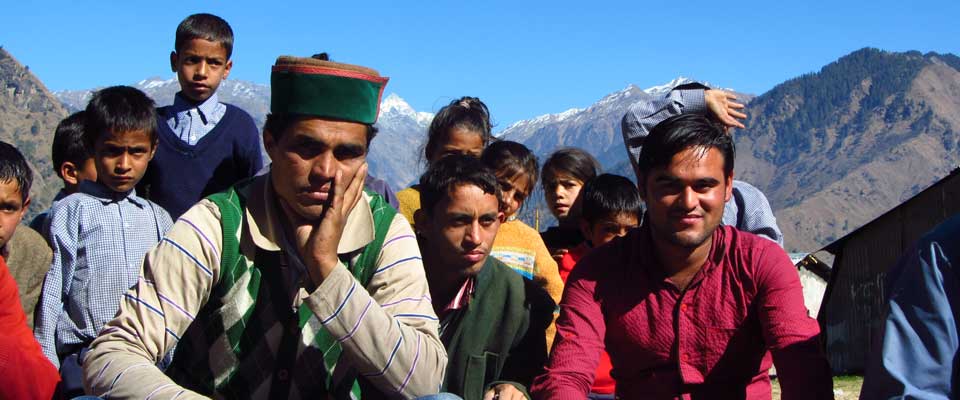
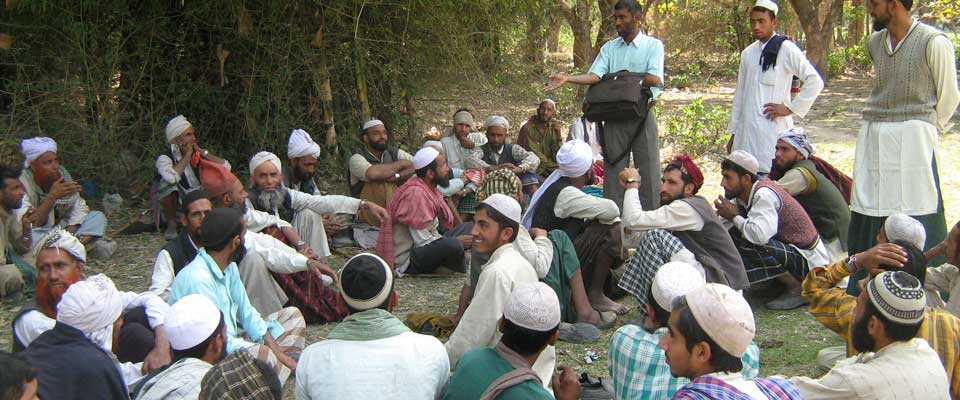
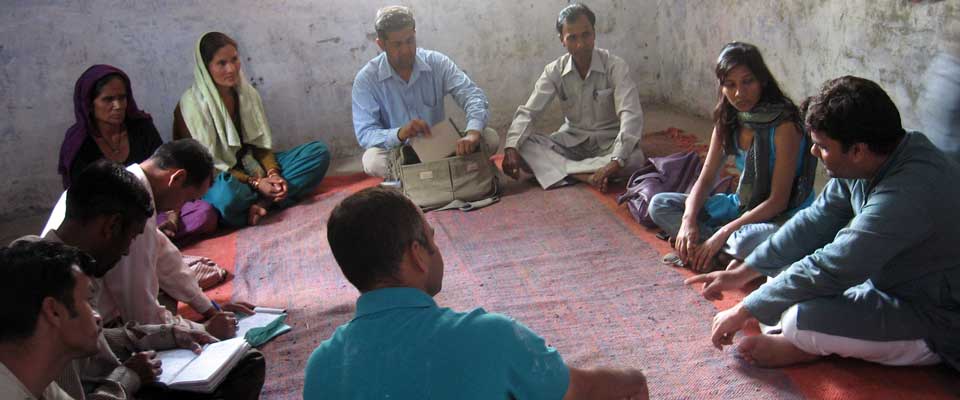




SOPHIA’s Efforts to Link Pastoralists with Fair Trade Markets
For Van Gujjar and Himalayan village communities, livestock is closely connected with culture, mobility, food security, and forest-based livelihoods. Buffalo milk provides income throughout the year, yet producers often face unstable prices, limited market access, and unequal bargaining power.
SOPHIA works to strengthen the link between pastoral households and buyers who value quality, traceability, ethical production, and community welfare. Its approach combines rights-based advocacy with practical support for sustainable pastoral livelihoods, buffalo husbandry, and milk marketing.
Fair trade in this setting is not limited to a certification label. It means improving the conditions under which milk is produced and sold, so pastoralists can receive a fairer return while protecting customary practices, animals, and fragile mountain ecosystems.
Connecting Producers With Reliable Buyers
Remote settlements can be isolated from formal markets by distance, poor roads, seasonal migration, and inadequate cooling facilities. These barriers may force families to sell milk quickly to intermediaries, even when the price does not reflect the work involved.
SOPHIA helps place community concerns at the centre of discussions with government agencies, civil society partners, and market actors. Better relationships between producers and buyers can support clearer pricing, regular collection, and more dependable payment systems.
This kind of market connection also depends on local organization. When pastoralists exchange information and act collectively, they are better positioned to understand demand, negotiate terms, and identify buyers who respect the origin and quality of their products.
Adding Value to Buffalo Milk
Buffalo milk has a high fat content and is widely used in products such as curd, butter, ghee, paneer, and traditional sweets. Selling processed products can give households more control over timing and pricing, reducing dependence on immediate sales of raw milk.
SOPHIA’s work in buffalo husbandry supports the health and productivity of animals while recognizing that livestock care is part of a broader pastoral system. Access to veterinary guidance, fodder knowledge, clean water, and appropriate breeding practices can improve both household income and animal welfare.
Local processing also creates opportunities for women and young people to participate in collection, quality control, packaging, bookkeeping, and sales. These roles can help retain value within the community instead of transferring it entirely to outside traders.
Protecting Knowledge Across Generations
Market development must be compatible with the knowledge pastoral families already hold. Seasonal movement, grazing patterns, animal care, weather observation, and milk processing techniques have developed through long experience in the Himalayan landscape.
SOPHIA recognizes that this knowledge is an important economic and cultural asset. The organization’s work can help ensure that younger community members see pastoralism as a viable livelihood, rather than a tradition that must disappear. Accounts of intergenerational pastoral knowledge show why family learning remains important to resilient pastoral economies.
Fairer markets should therefore reward responsible production without demanding that communities abandon their identity or customary systems. Respect for indigenous knowledge strengthens the authenticity and long-term sustainability of pastoral products.
Building Trust Through Transparency
Buyers need confidence that products are safe, consistent, and responsibly sourced. Pastoralists need confidence that quality requirements will be explained clearly and that agreed prices will be paid on time. Trust grows when both sides have access to information.
Basic systems can make a significant difference: weighing milk openly, recording volumes, setting transparent quality standards, and sharing payment calculations. Community-led monitoring can help identify problems early and prevent disputes between producers, collectors, and buyers.
Clear communication is especially important where producers have limited access to digital services or formal contracts. Meetings, local representatives, and simple written or verbal agreements can make market participation more inclusive.
What Fair Market Access Can Change
| Area | Common Barrier | Fairer Market Response |
|---|---|---|
| Pricing | Producers accept rates set by intermediaries | Open price information and collective negotiation |
| Quality | Limited testing and unclear standards | Simple testing, feedback, and shared quality rules |
| Collection | Long distances and irregular pickup | Local collection points and reliable schedules |
| Processing | Raw milk is sold immediately | Community-scale products with added value |
| Participation | Women and young people are overlooked | Inclusive roles in production, records, and sales |
| Sustainability | Market pressure can strain animals and land | Responsible husbandry and attention to grazing systems |
These changes can improve household resilience without treating income as the only measure of success. Stronger markets may also support food security, cultural continuity, and the ability of communities to defend their forest and domicile rights.
Priorities for Fairer Trade
SOPHIA’s community-centred approach can help partners focus on practical commitments:
- Pay producers transparently and on a predictable schedule.
- Invest in local collection, cooling, storage, and processing facilities.
- Recognize pastoral knowledge as part of product quality and community value.
- Include women, youth, and mobile pastoral households in market decisions.
- Link commercial activity with animal welfare, ecological care, and rights protection.
Partnerships with ethical buyers, local institutions, NGOs, and government departments can expand these efforts. Advocacy is essential because market access cannot be separated from secure access to forests, grazing areas, identity documents, transport, and public services.
The strongest model is one in which pastoralists help define the terms of trade. SOPHIA’s role is to support social mobilization, strengthen community voice, and create connections that allow producers to engage with markets from a position of greater knowledge and dignity.
Supporting SOPHIA means helping Van Gujjar and Himalayan village communities build fairer livelihoods on their own terms. Learn more about its projects, partnerships, and ways to participate through the organization’s work with pastoralists across northern India.