




Intergenerational knowledge transfer in pastoral families
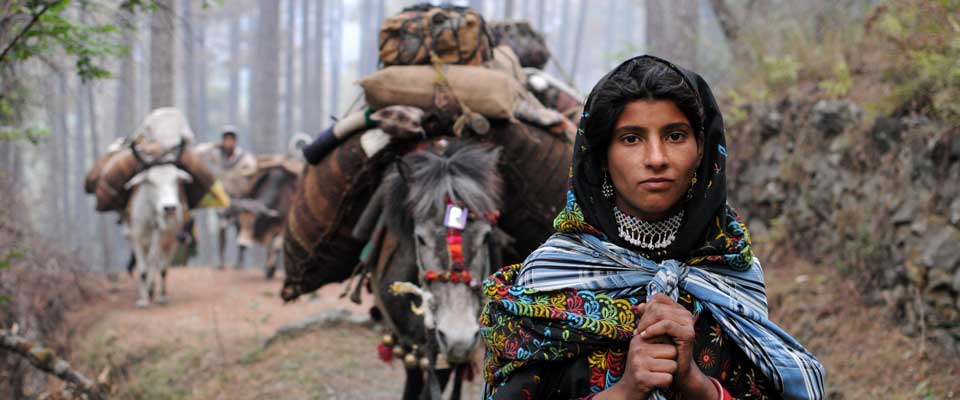
Across the Himalayan foothills, pastoral knowledge is carried through daily practice. Van Gujjar families learn by moving with buffalo herds, reading forest conditions, preparing milk products, and maintaining relationships with people and landscapes. Much of this learning takes place informally, through observation, repetition, and shared responsibility.
This living heritage supports food security, cultural identity, and sustainable livelihoods. Older family members hold memories of grazing routes, seasonal weather, medicinal plants, animal care, and customary ways of managing common resources. Younger people bring new skills, education, and ideas that can help pastoral communities respond to changing conditions.
For SOPHIA, strengthening this exchange is connected to indigenous rights, forest access, domicile rights, and community-led development. When families can pass knowledge forward while adapting to new realities, pastoral traditions remain a practical foundation for resilience.
Knowledge carried through everyday work
Children often begin learning through small tasks: observing buffalo behaviour, helping clean shelters, collecting fodder, or accompanying relatives along familiar routes. These activities teach patience, animal welfare, cooperation, and responsibility. A young person may learn to recognize illness from a buffalo’s movement or understand changing weather from cloud patterns and forest sounds.
Storytelling adds another layer to practical education. Elders share memories of migration, past droughts, conflict over forest access, and successful responses to hardship. Such stories preserve local history and explain why certain routes, grazing practices, or household customs matter.
Skills that sustain pastoral livelihoods
Buffalo husbandry depends on detailed knowledge. Families understand breeding cycles, nutrition, shelter, hygiene, and the relationship between animal health and milk quality. These skills influence household income, particularly where milk marketing provides a regular source of cash.
Traditional knowledge also includes food preservation, herbal care, water management, and the careful use of forest resources. When combined with veterinary guidance and improved market information, these practices can support healthier herds and stronger household economies without undermining cultural identity.
Pressures affecting family learning
Intergenerational learning becomes harder when families face restricted forest access, insecure settlement rights, migration, limited schooling, or declining pastoral routes. Young people may spend long periods away from home for education or wage work, while elders may have fewer opportunities to demonstrate seasonal practices.
Climate variability creates additional uncertainty. Irregular rainfall, heat, fodder shortages, and changing disease patterns require families to revise established routines. The challenge is to protect valuable community knowledge while making space for scientific information, digital tools, and new livelihood strategies.
Comparing pathways for knowledge exchange
| Knowledge pathway | What it preserves | How it can be strengthened |
|---|---|---|
| Family practice | Animal care, household roles, seasonal routines | Encourage shared tasks and recorded family histories |
| Elder storytelling | Migration memories, customary rules, local ecology | Create community gatherings and oral history archives |
| Peer learning | Youth perspectives, new methods, shared problem-solving | Support youth groups and pastoral learning circles |
| School and training | Veterinary care, rights awareness, market skills | Link formal education with local knowledge |
| Community institutions | Collective decisions and advocacy | Build inclusive platforms for women, elders, and young people |
These pathways work best when they reinforce each other. A training session on buffalo health becomes more useful when it respects existing husbandry practices, while an elder’s experience gains wider value when it is documented and shared with younger community members.
Women and youth as knowledge holders
Women play a central role in milking, processing, household nutrition, animal care, and informal financial management. Their expertise is sometimes overlooked because it is associated with domestic work rather than recognized as livelihood knowledge. Community programs can help make this contribution visible and strengthen women’s participation in decisions about markets, rights, and services.
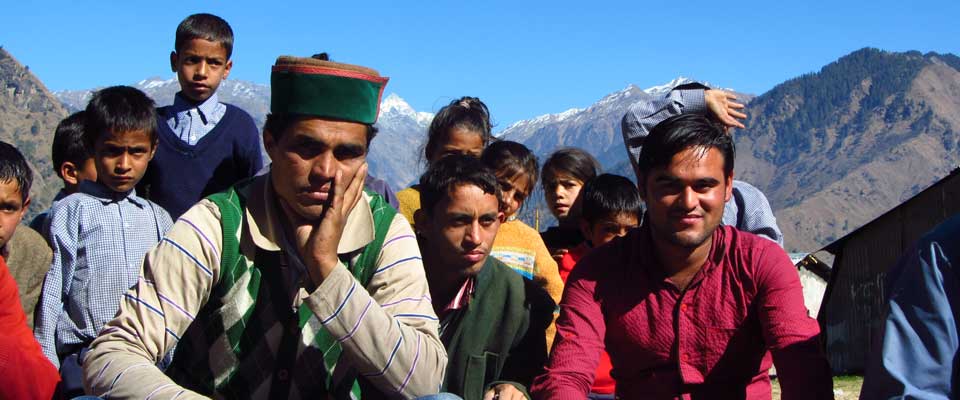
Young people are equally important to the future of pastoral communities. They can document family histories, use mobile technology to share market information, support digital mapping, and communicate with government departments. When youth are treated as partners rather than passive recipients, they help connect ancestral knowledge with emerging opportunities.
Community-led ways to keep knowledge alive
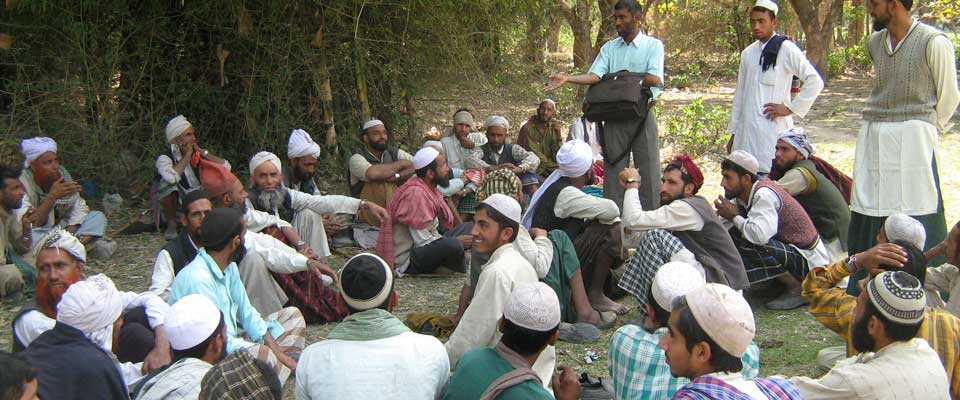
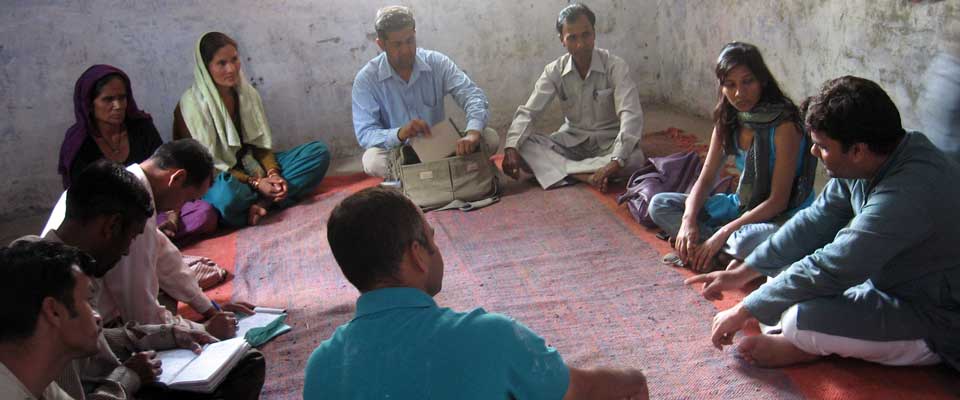
SOPHIA’s rights-based approach can support families in creating spaces where learning is collective and locally guided. Community meetings, exposure visits, pastoral forums, and training on forest and domicile rights can bring generations together around practical concerns. Documentation should be led by community members and respect knowledge that families do not wish to share publicly.
Useful activities can be simple and affordable. Families may create seasonal calendars, map traditional routes, record local names for plants and grazing areas, or organize demonstrations on fodder preparation and milk hygiene. These efforts can strengthen community identity while producing information that supports advocacy and engagement with public institutions.
Practical priorities for stronger knowledge exchange
- Organize intergenerational learning circles where elders, women, and youth share pastoral skills and local history.
- Include buffalo health, sustainable grazing, milk marketing, and indigenous rights in community-led training.
- Support youth documentation through audio recordings, photographs, mapping, and bilingual local archives.
- Create safe spaces for women to share their expertise and participate in livelihood and forest-management decisions.
- Connect traditional practices with veterinary services, climate information, and accessible government schemes.
Protecting this knowledge requires secure rights and supportive institutions. Families are more likely to invest in teaching the next generation when they have reliable access to forests, fair recognition of domicile, and confidence that pastoral livelihoods have a future. Advocacy, social mobilization, and partnerships can help turn community experience into stronger public policy.
SOPHIA invites partners, researchers, volunteers, and supporters to stand with Van Gujjar and Himalayan village communities. Through collaboration, documentation, rights awareness, and investment in sustainable pastoral livelihoods, every generation can help carry this knowledge forward.