




Community-Led Advocacy for Land Rights in the Himalayas
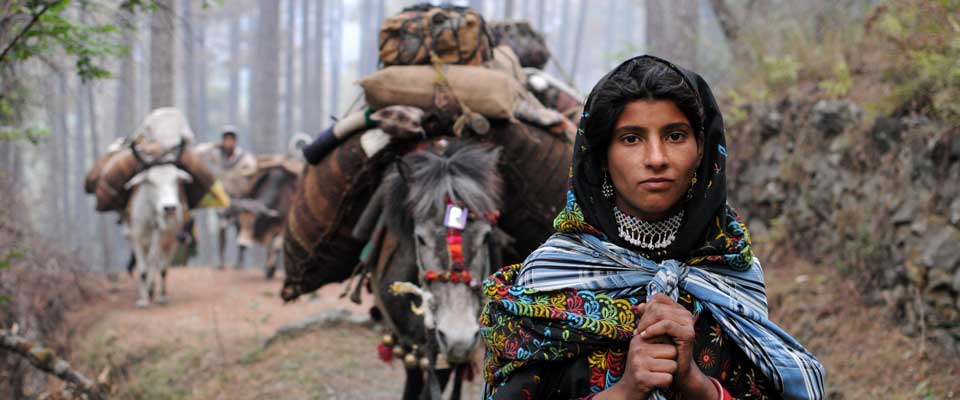
Land is central to the identity, security, and livelihood of Van Gujjar and Himalayan village communities. It supports seasonal movement, buffalo husbandry, access to forests, and the social networks that sustain families across generations. When customary use is ignored, communities can face displacement, restricted grazing, and uncertainty over their legal future.
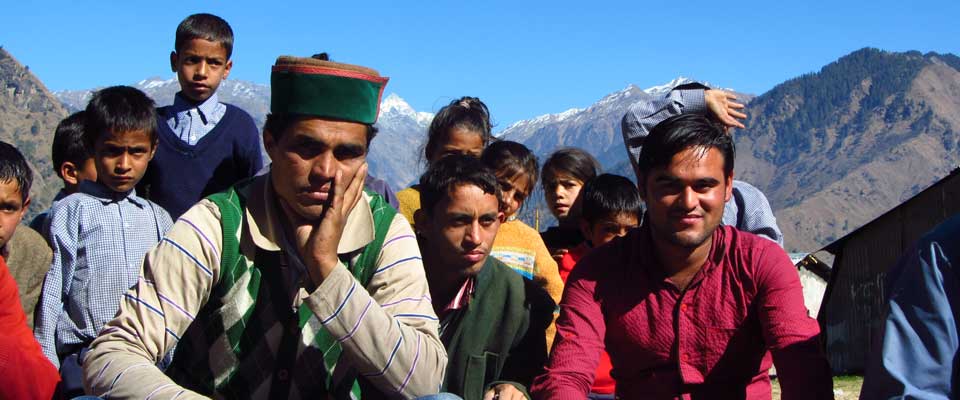
SOPHIA works with communities in Uttarakhand, Himachal Pradesh, and Uttar Pradesh to strengthen forest rights, domicile rights, and sustainable pastoral livelihoods. Its approach to community-led advocacy for land rights begins with local knowledge and collective action rather than decisions made without the people most affected.
This work connects rights awareness with practical support. Social mobilization, government engagement, documentation, and partnerships help communities present their concerns clearly and pursue durable recognition of their land and resource rights.
Grounding Advocacy In Community Knowledge
Effective advocacy starts by understanding how a community uses and values its landscape. Van Gujjars may depend on seasonal forest access, grazing routes, water sources, and customary settlements. Village communities may have different priorities involving cultivation, housing, forest produce, or public services.
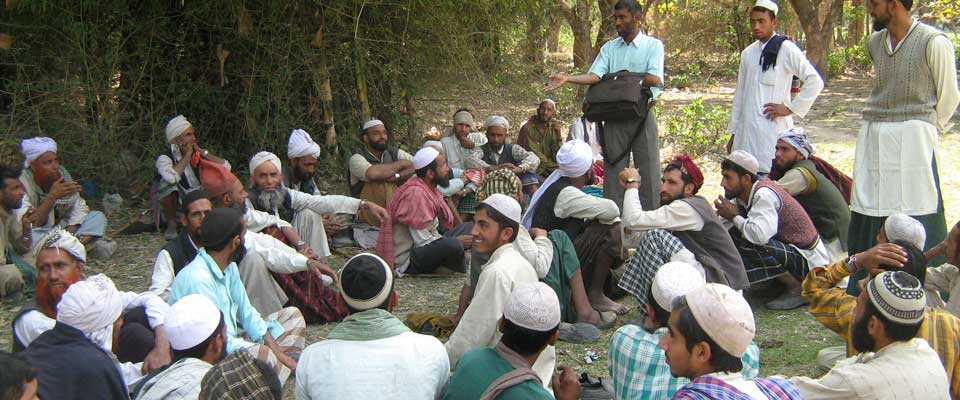
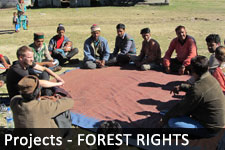
SOPHIA’s community rights work creates space for residents to describe these realities in their own words. Meetings, consultations, and local discussions help identify shared concerns while respecting differences between families, settlements, and pastoral groups.
This process makes advocacy more representative. A claim supported by lived experience, community records, and collective agreement is more credible when presented to officials and institutions.
Turning Rights Awareness Into Collective Action
Many families know that they have longstanding connections to forests and village land but may be less familiar with the procedures needed to assert those rights. Rights-based education can explain relevant laws, administrative processes, documentation requirements, and available grievance mechanisms.
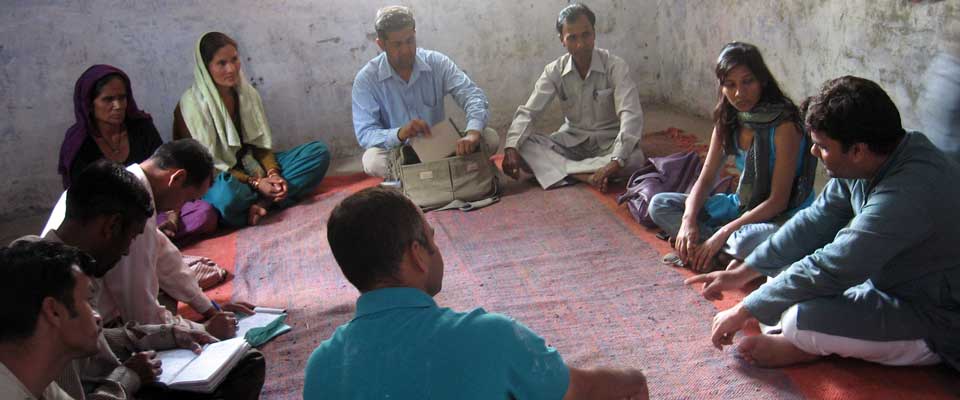
SOPHIA supports social mobilization so that individuals do not have to approach authorities alone. Community meetings can help residents review evidence, select representatives, prepare applications, and agree on common demands. This strengthens confidence and reduces the risk that isolated voices will be overlooked.
Collective action also encourages accountability within the community. Transparent discussions about land claims, responsibilities, and expected outcomes help build trust and create a stronger foundation for negotiations.
Linking Local Evidence With Public Institutions
Land rights advocacy requires sustained engagement with government departments, elected representatives, forest officials, and local administrations. SOPHIA helps communities communicate with these institutions through petitions, meetings, submissions, and follow-up efforts.
Documentation is especially important. Oral histories, customary routes, land-use patterns, identity records, grazing practices, and information about settlement can help establish the connection between people and place. Community-generated evidence can complement official records where formal documentation is incomplete.
| Conventional Advocacy | Community-Led Advocacy |
|---|---|
| Priorities are set mainly by outside institutions | Priorities emerge from community discussions |
| Residents may participate only as beneficiaries | Residents help plan, represent, and monitor the work |
| Evidence often relies on formal records alone | Local knowledge supports formal and administrative evidence |
| Engagement may focus on a single campaign | Advocacy develops through sustained relationships |
| Success is measured by a decision or document | Success includes awareness, participation, and accountability |
Supporting Pastoral Livelihoods And Dignity
For Van Gujjar families, land rights are closely connected to pastoral mobility and buffalo husbandry. Access to forests and grazing areas affects animal health, milk production, household income, and food security. Restrictions on movement can create economic pressure and weaken a way of life that has adapted to Himalayan environments.
SOPHIA’s work recognizes pastoralism as a livelihood with cultural and ecological value. Support for buffalo care, milk marketing, and sustainable resource use can make rights advocacy more meaningful because families need both legal security and viable economic options.
This integrated perspective also helps challenge the idea that land rights are simply a matter of property. They involve dignity, cultural continuity, environmental stewardship, and the ability to make informed choices about the future.
Building Leadership Within Communities
Community-led advocacy becomes stronger when local people develop the skills to organize, speak publicly, maintain records, and engage with institutions. Training and mentoring can help women, youth, pastoral representatives, and village leaders take active roles in rights-based initiatives.
Local leadership improves continuity. A campaign should not depend entirely on an outside organization or a single representative. When knowledge is shared across families and generations, communities are better prepared to respond to notices, administrative changes, and new pressures on land and forests.
Partnerships with other civil society organizations can add legal, technical, and communication support. SOPHIA’s role is to help connect these resources with community priorities while keeping decision-making rooted in local participation.
Principles For Stronger Land Rights Advocacy
A durable approach should reflect the realities of each community and remain accountable throughout the process. The following principles can guide rights-based work:
- Begin with informed consent and community-defined priorities.
- Combine customary knowledge with clear, well-organized documentation.
- Include women, youth, elders, and mobile pastoral households in decision-making.
- Maintain regular communication with government offices and elected bodies.
- Track commitments, applications, meetings, and outcomes transparently.
These practices help transform advocacy from a one-time appeal into an ongoing process. They also make it easier to identify gaps, correct misunderstandings, and keep public institutions responsive to community concerns.
A Shared Path Toward Secure Futures
SOPHIA’s approach demonstrates that land rights are strengthened when communities are treated as rights-holders, knowledge-holders, and active partners. Advocacy gains depth when it addresses forest access, domicile recognition, pastoral livelihoods, buffalo husbandry, and milk markets together.
Support for this work can take many forms, including responsible partnerships, public awareness, research collaboration, volunteering, and sharing accurate information about indigenous and forest-dependent communities. Visit SOPHIA’s website to learn about its projects, communities, team, and ways to stand alongside locally led efforts for justice and sustainable livelihoods.