







Building a Community Dairy Cooperative in the Himalayas
A community dairy cooperative can help Himalayan households turn buffalo husbandry and milk production into a stable, locally governed livelihood. Its success depends on more than collecting and selling milk: members need shared rules, reliable records, suitable infrastructure, and a market that rewards quality.
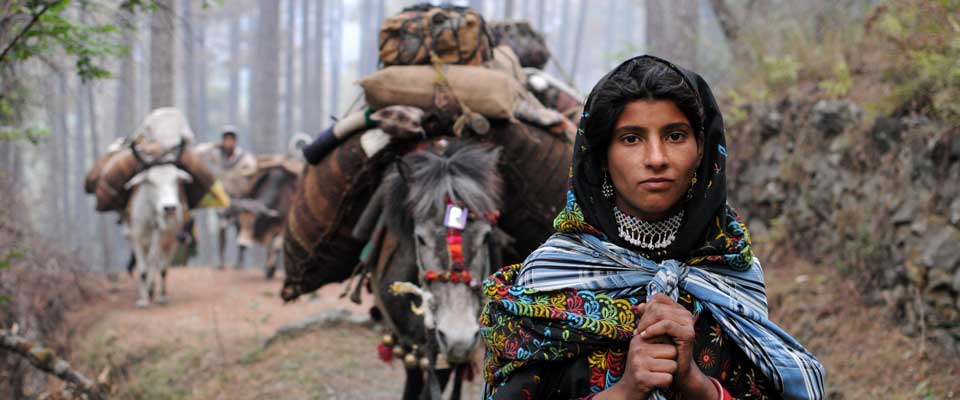
In mountain regions, dairy planning must reflect seasonal migration, steep terrain, scattered settlements, limited roads, and changing access to forests and grazing areas. A cooperative should strengthen existing knowledge and relationships rather than impose a business model designed for urban farms.
For Van Gujjar and Himalayan village communities, buffaloes may carry economic, social, and cultural importance. Learning about the buffalo cultural significance can help organizers build a dairy enterprise that respects community identity while improving household income.
Start With A Community Mandate
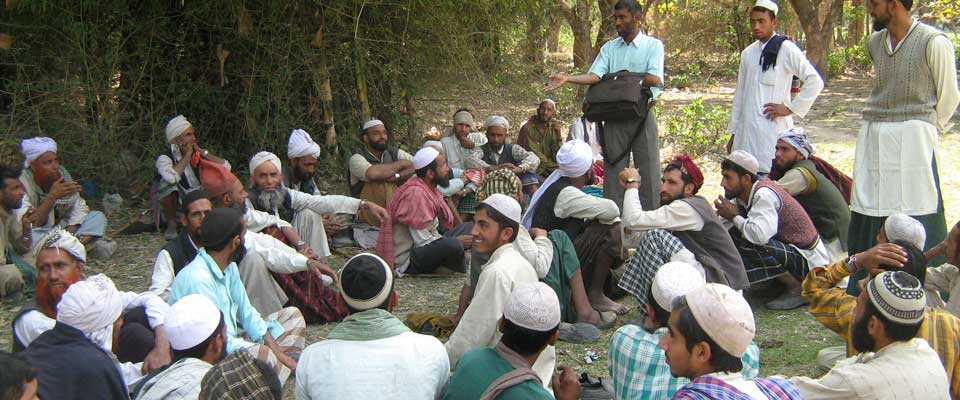
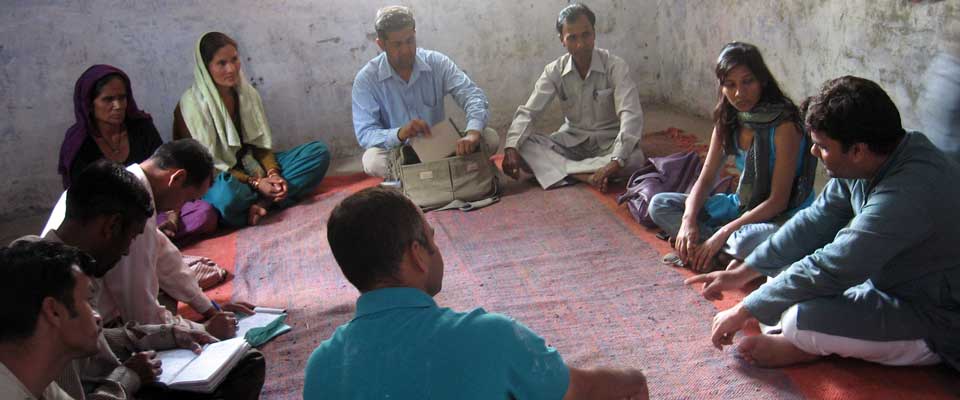
Begin with open meetings in every participating hamlet. Discuss how much milk families can supply, which routes are accessible during different seasons, what prices producers consider fair, and whether women, pastoral households, landless families, and smaller producers can join on equal terms.
Record concerns before creating rules. Some members may prioritize daily cash income, while others may need veterinary services, feed access, or a dependable buyer. A written community mandate should define the cooperative’s purpose, membership rights, decision-making process, and approach to profit distribution.
Map Herds, Milk, And Markets
Prepare a simple baseline survey covering the number of buffaloes and cows, lactation cycles, average daily production, current buyers, transport costs, and seasonal shortages. This information will reveal whether the cooperative should begin with one village collection point or operate across several settlements.
Study nearby demand from households, tea shops, schools, hotels, sweet makers, and dairy processors. Fresh milk may earn more than bulk sales, but it requires stronger cold-chain management. A realistic business plan should compare local retail, institutional supply, value-added products, and producer-owned marketing.
Choose A Fair Cooperative Structure
Members should agree on a registration pathway that fits local law and the cooperative’s intended scale. A small pilot can operate with clear community rules while organizers assess whether formal registration as a cooperative, producer organization, or another legal entity is appropriate.
Voting rights, share contributions, patronage benefits, and leadership terms must be transparent. Payments should be based on measured quantity and tested quality, not personal relationships. A committee with strong participation from women and pastoral representatives can improve accountability and ensure that decisions reflect everyday dairy work.
Build Collection And Quality Systems
A village milk collection center needs clean containers, a weighing scale, lactometer or other basic testing equipment, registers, water, shade, and a dependable system for rapid transport. Milk should be filtered, tested, recorded, and cooled as soon as possible after milking.
Training should cover handwashing, udder hygiene, safe storage, adulteration prevention, and responsible antibiotic use. Producers need to understand why rejected milk affects everyone’s income. A cooperative can publish simple quality standards and use regular feedback instead of relying only on penalties.
| Operating Area | Practical First-Stage Approach | Later Expansion |
|---|---|---|
| Collection | One center serving nearby households | Additional points on seasonal routes |
| Payment | Quantity and fat-based records | Digital payments and member dashboards |
| Cooling | Insulated cans or shared chilling unit | Solar-supported bulk milk cooler |
| Sales | Local households and shops | Institutions, processors, and branded products |
| Animal care | Scheduled para-veterinary visits | Breeding, insurance, and feed services |
Plan Finance, Feed, And Animal Care
Start-up costs may include cans, testing tools, weighing equipment, transport, a shed, training, and working capital for producer payments. Members can contribute shares, while grants, community finance, responsible lenders, or NGO partnerships may support equipment without removing local ownership.
Buffalo health directly affects milk yield and household security. The cooperative should coordinate vaccination, deworming, breeding advice, emergency referrals, fodder planning, and clean water access. In Himalayan conditions, dried fodder, tree leaves used appropriately, and locally available feed resources can reduce dependence on expensive commercial inputs.
Lead With Trust And Accountability
Every transaction should be recorded at collection and reviewed regularly. Members need to know the sale price, transport expenses, testing results, staff payments, equipment costs, and surplus available for distribution or reinvestment. Public financial reviews can prevent misunderstandings before they become conflicts.
The cooperative should also prepare for landslides, road closures, animal disease, extreme weather, and seasonal migration. Backup buyers, flexible collection schedules, emergency funds, and communication through local leaders can keep the system operating when transport is disrupted.
Practical Priorities For The First Season
A careful pilot allows the community to test its systems before taking on large debts or expensive processing equipment. The first season should focus on dependable collection, honest payment, animal health, and learning from members’ experience.
Use the following priorities to organize the launch:
- Form a representative steering group and approve written membership rules.
- Survey milk supply, herd health, roads, buyers, and seasonal production changes.
- Establish one hygienic collection point with weighing and quality-testing records.
- Arrange veterinary support, fodder planning, and training in clean milking practices.
- Review prices, costs, member satisfaction, and operational problems every month.
A community dairy cooperative becomes durable when producers see clear benefits from participation and retain control over decisions. With patient planning, fair governance, and partnerships that respect indigenous rights and local knowledge, Himalayan households can build a milk enterprise that supports livelihoods across changing seasons.
SOPHIA’s work with pastoral and village communities offers a useful context for learning about rights-based organizing, buffalo husbandry, and sustainable rural livelihoods. Explore its community projects and partnership opportunities, and help strengthen producer-led dairy systems in the Himalayas.