




The cultural significance of the buffalo among Van Gujjars
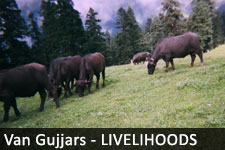
For Van Gujjar communities of the Himalayan foothills, the buffalo is far more than a source of milk. It is central to pastoral identity, household stability, seasonal movement, and relationships with forests. Generations of knowledge have developed around feeding, breeding, grazing, milking, and protecting these animals.
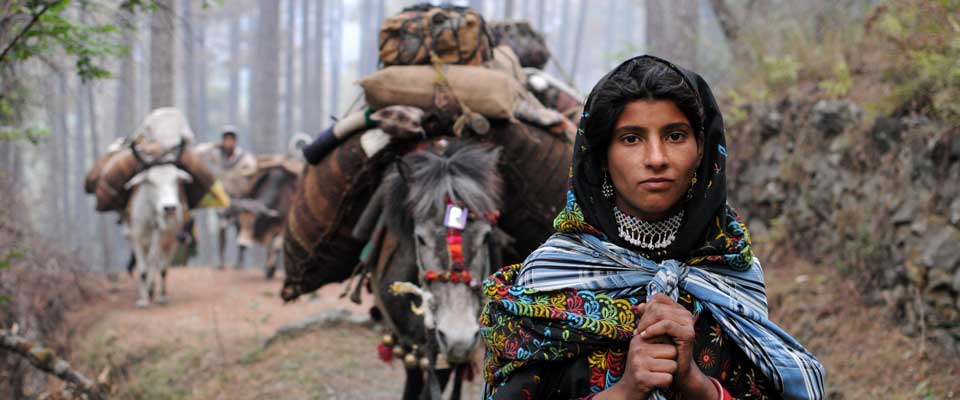
Van Gujjars traditionally move with their buffalo herds between forest settlements and higher grazing areas. This mobile way of life has shaped family routines, social relationships, food traditions, and ideas of responsibility. The herd connects everyday work with ancestral memory and the wider landscape.
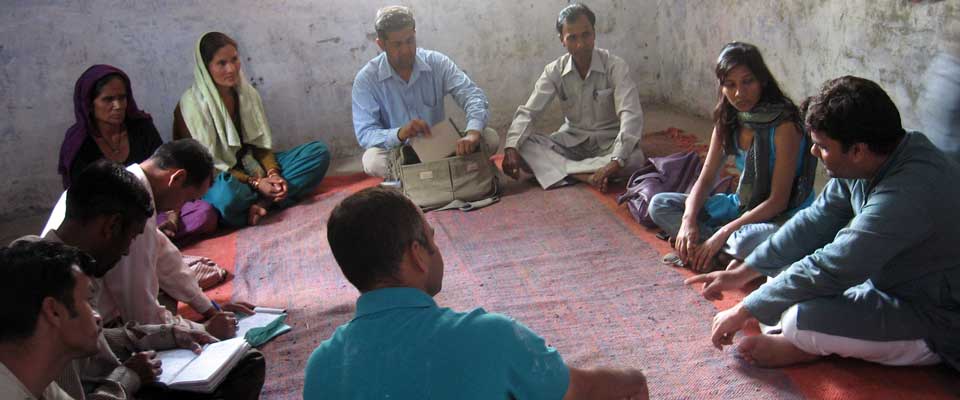
Understanding this relationship is essential when discussing indigenous rights and sustainable livelihoods. Community-led work, such as that supported through SOPHIA’s community work, recognizes that pastoral development must respect Van Gujjar culture, customary forest use, and local decision-making.
A herd woven into pastoral identity
A Van Gujjar household is often understood through its animals. Buffaloes represent continuity between generations, since skills in animal care are learned through observation and participation from childhood. Children may help gather fodder, guide animals along forest paths, clean sheds, or watch over young calves.
The herd also carries family history. Particular buffaloes may be remembered for their temperament, milk production, strength, or connection to a significant period in a family’s life. Naming animals and recognizing their individual habits reflects an intimate bond built through daily care.
Milk, food, and household security
Milk and dairy products are important parts of Van Gujjar nutrition and household income. Fresh milk may be consumed within the family, while surplus is transformed into butter, ghee, curd, or other products. These foods support health and preserve traditional knowledge about processing and storage.
Buffalo husbandry provides a livelihood in places where farming opportunities can be limited. Milk sales help families pay for food, education, healthcare, transport, and animal medicines. The value of a buffalo therefore extends beyond its market price: it contributes to resilience during seasonal changes and economic uncertainty.
Customary knowledge and seasonal movement
Van Gujjar pastoralism depends on detailed environmental knowledge. Families understand where water is available, which plants are suitable for grazing, when routes become difficult, and how weather affects animal health. This knowledge is passed through practice and conversation rather than formal manuals.
Seasonal migration also shapes cultural rhythms. Moving between locations requires cooperation among relatives and neighboring households. Decisions about routes, resting places, fodder, and protection are linked to customary arrangements and access to forest resources. Restrictions on movement can therefore affect both income and cultural continuity.
| Cultural dimension | Role of the buffalo |
|---|---|
| Family learning | Teaches children responsibility, animal care, and pastoral skills |
| Food traditions | Provides milk, curd, butter, ghee, and other household foods |
| Livelihood | Supports milk marketing and regular household income |
| Social identity | Connects families with Van Gujjar heritage and community life |
| Forest relationship | Guides seasonal movement and knowledge of grazing landscapes |
| Future security | Represents an economic asset that can be maintained across generations |
Social ties and community cooperation
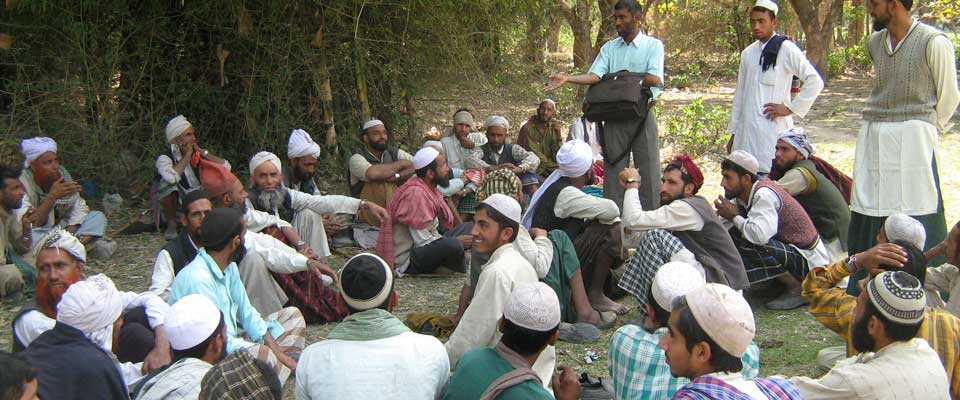
Buffalo care creates regular opportunities for cooperation. Families may share information about fodder, animal diseases, veterinary services, and safe grazing areas. During migration, mutual support becomes especially important when animals give birth, become ill, or face difficult terrain.
Milk marketing can also bring households into wider networks. Fair prices, reliable collection systems, and better transport allow producers to gain greater value from their work. When communities organize around these concerns, economic activity can strengthen collective voice and encourage engagement with public institutions.
Rights, forests, and cultural continuity
The buffalo’s wellbeing is closely tied to access to forests, water sources, and traditional grazing routes. When Van Gujjars lose access to customary landscapes, they may face higher fodder costs, longer journeys, and pressure to abandon pastoral livelihoods. Forest and domicile rights are therefore connected to cultural survival as well as legal recognition.
A rights-based approach respects Van Gujjar knowledge while addressing changing conditions. Veterinary care, improved shelters, sustainable fodder systems, and transparent milk markets can support families without forcing them away from their identity. Government agencies and civil society organizations have an important role in making these services accessible.
Strengthening a living cultural tradition
Practical support can help protect the relationship between Van Gujjars and their buffaloes:
- Recognize customary forest and pastoral rights in local planning and administration.
- Improve access to veterinary care, vaccination, breeding support, and emergency treatment.
- Build fair milk collection and marketing systems that reduce dependence on intermediaries.
- Document oral histories, animal-care practices, migration routes, and community knowledge with consent.
- Include Van Gujjar women and young people in livelihood, rights, and leadership initiatives.
Cultural significance is sustained when communities have the freedom and resources to continue meaningful practices. Buffalo husbandry remains a living tradition because it adapts to new needs while retaining its connection to family, land, and collective memory.
Supporting Van Gujjar communities means valuing the knowledge held in their homes, herds, and seasonal journeys. Learn more about rights-based pastoral development and community-led action through SOPHIA’s work, and help strengthen the conditions that allow this important Himalayan heritage to endure.