




How to Organize a Community Rights Awareness Workshop
A well-organized community rights awareness workshop can help people understand the laws, schemes, and institutions that affect their daily lives. For forest-dependent families, pastoral communities, and Himalayan villages, the process should connect legal information with practical concerns such as access to grazing areas, domicile documents, public services, land security, and fair markets.
The strongest workshops are participatory rather than lecture-based. Community members bring knowledge about local conditions, seasonal migration, customary practices, and barriers to government support. Facilitators provide clear information, help document concerns, and create a realistic path toward collective action.
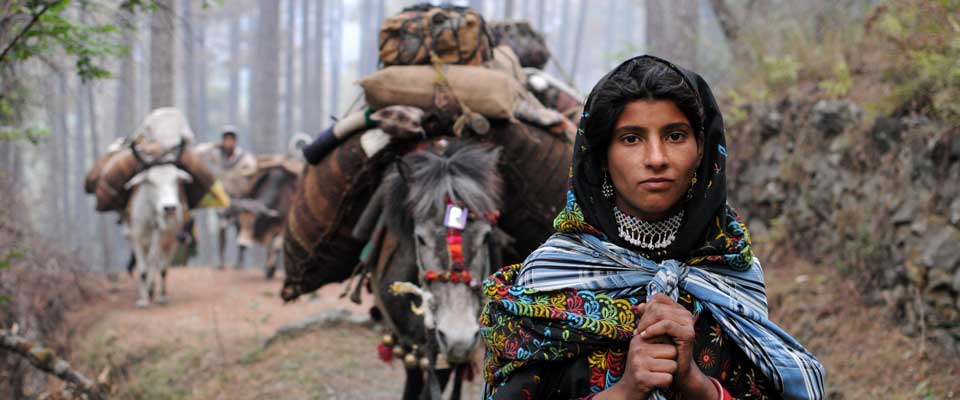
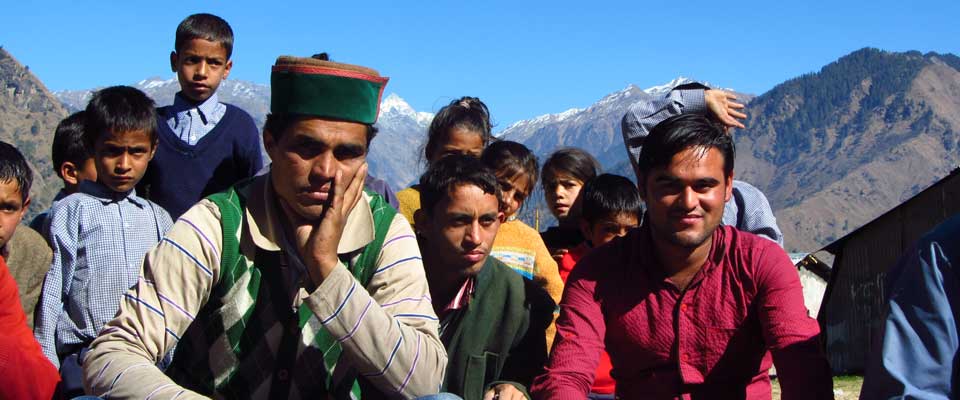
SOPHIA’s work with Van Gujjar and Himalayan village communities demonstrates why rights education must be grounded in local realities. A workshop should respect indigenous knowledge, include women and young people, and build confidence for constructive engagement with officials, elected representatives, and partner organizations.
Start with community priorities
Before setting a date, speak with residents, pastoral leaders, women’s groups, youth representatives, and local volunteers. Use short conversations or small group meetings to identify the issues causing the greatest concern. These may include forest rights claims, grazing access, school enrollment, identity documents, healthcare, buffalo husbandry, or milk marketing.
Avoid deciding the agenda entirely from outside the community. A short priority-ranking exercise can reveal which matters require urgent attention and which can be addressed through longer-term advocacy. Record the exact words people use to describe their concerns; this makes the workshop more relevant and helps create useful follow-up records.
Build an inclusive and practical agenda
Choose a safe, accessible venue near the community, with a time that accommodates pastoral work, household responsibilities, and seasonal movement. Provide seating for elders and people with disabilities, drinking water, and translation where needed. If possible, arrange a separate space for children so caregivers can participate fully.
Keep presentations brief and use stories, maps, drawings, role-play, and question cards. Explain technical terms in the local language and distinguish clearly between legal rights, government schemes, administrative procedures, and responsibilities. Invite a knowledgeable rights advocate, paralegal worker, forest official, or development professional, while ensuring that community voices remain central.
Prepare evidence and trusted resource people
A facilitator should verify all legal and policy information before the event. Prepare simple handouts that list relevant offices, application steps, required documents, grievance channels, and contact details. Never promise an outcome that depends on a government decision. Instead, explain what evidence is useful, who has authority, and how an appeal or complaint can be submitted.
For communities whose livelihoods depend on forests and livestock, conservation policies should be discussed alongside customary use and economic security. The relationship between environmental protection and local livelihoods is explored in pastoral livelihoods, offering useful context for a balanced discussion.
| Workshop element | Practical approach | Expected result |
|---|---|---|
| Rights information | Use plain-language examples and visual aids | Participants understand key entitlements |
| Community evidence | Map locations, collect documents, record testimonies | Local concerns become easier to present |
| Official engagement | Invite relevant departments with clear roles | Questions receive accountable responses |
| Action planning | Assign tasks, dates, and responsible people | Awareness leads to follow-up |
| Documentation | Keep attendance and issue records securely | Progress can be monitored over time |
Make participation meaningful
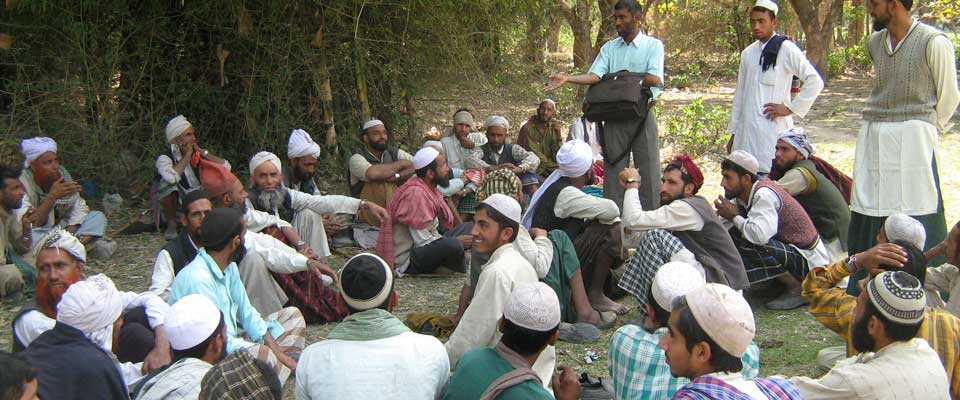
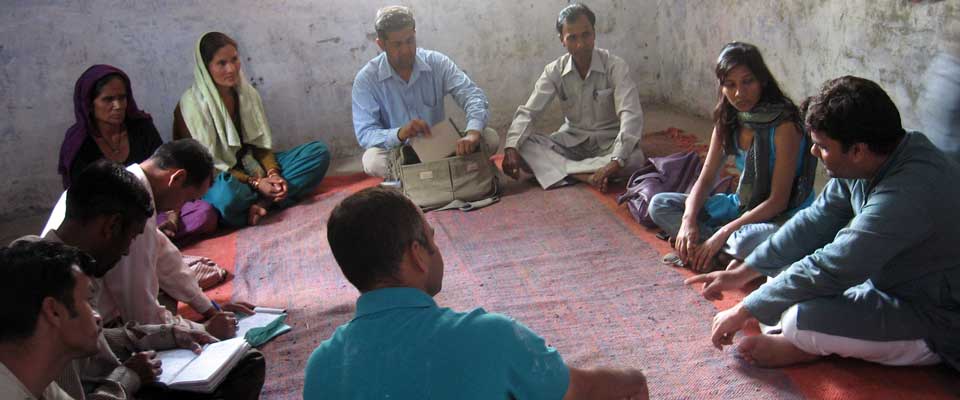
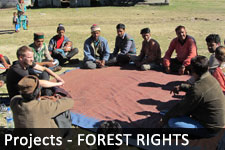
Begin with a welcome from community members rather than an outside speaker. A local opening establishes trust and gives participants ownership of the event. Use small discussion circles to ensure that people who may hesitate in a large meeting can speak, particularly women, migrants, minority groups, and families with limited literacy.
Include practical activities such as filling out a sample application, identifying an office on a local map, or practicing how to submit a grievance. A question-and-answer session should be moderated so that no individual dominates. Anonymous questions can help surface sensitive concerns involving discrimination, documentation, or access to public benefits.
Turn discussion into collective action
End the workshop with a written action plan. List each issue, the next step, the responsible person or group, the relevant office, and a target date. For example, residents may agree to gather forest-use evidence, request a public meeting, apply for domicile certificates, or seek support for a milk collection point.
Create a small follow-up committee with balanced representation. Its role may include tracking applications, updating the community, contacting officials, and coordinating with organizations such as SOPHIA. Make sure participants understand that collective advocacy should remain peaceful, lawful, and based on accurate information.
Measure learning and sustain momentum
A simple evaluation can show whether the workshop was useful. Ask participants to name one right they learned about, one office they can approach, and one action they intend to take. Facilitators can compare responses at the start and end of the session without turning the event into a formal examination.
Follow up within two to four weeks through a village meeting, phone call, or home visit. Review progress, identify obstacles, and update the action plan. Keep records in a secure and accessible form, with consent from participants, especially when collecting personal documents, photographs, or testimonies.
Recommendations for a stronger workshop
- Begin with locally identified concerns rather than a fixed presentation.
- Use the local language, visual materials, and real examples from nearby households.
- Include women, youth, elders, pastoral workers, and people with disabilities in planning and facilitation.
- Invite officials with clearly defined responsibilities and record their responses.
- Set dates and named responsibilities for every follow-up action.
A rights awareness workshop becomes valuable when information leads to confidence, documentation, and organized engagement. Communities can strengthen their voice by meeting regularly, sharing verified knowledge, and building respectful partnerships with civil society groups and public institutions. Support this work by learning about SOPHIA’s community initiatives, sharing reliable rights information, and participating in efforts that advance forest rights, pastoral livelihoods, and dignified public services.