



Shared Landscapes, Shared Futures
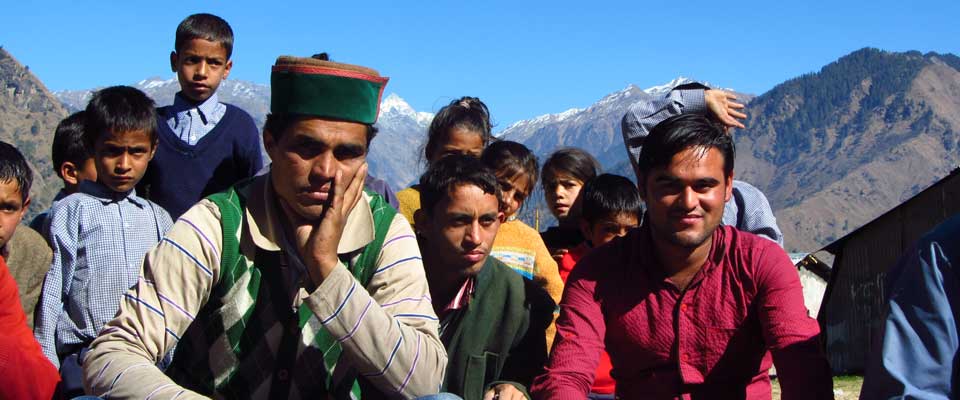
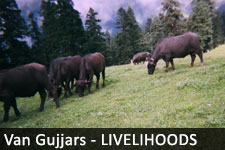
The intersection of wildlife conservation and pastoral livelihoods is especially visible across the Himalayan foothills. In Uttarakhand, Himachal Pradesh, and Uttar Pradesh, Van Gujjar and village communities live with forests, grasslands, rivers, and wildlife as part of an interconnected landscape. Their buffalo herds provide milk, income, food security, and cultural continuity, while those same ecosystems support endangered and protected species.
Conservation policies can protect habitats, but their results depend on how they affect the people who have long used those habitats responsibly. When pastoral families lose access to seasonal grazing routes or face restrictions without consultation, household incomes and traditional knowledge can suffer. A rights-based approach creates space for both ecological protection and secure livelihoods.
SOPHIA works with communities to strengthen forest and domicile rights, sustainable pastoralism, buffalo husbandry, milk marketing, and collective advocacy. This approach recognizes that conservation is more durable when local residents are treated as partners, rights holders, and custodians of ecological knowledge.
Pastoral communities in forest landscapes
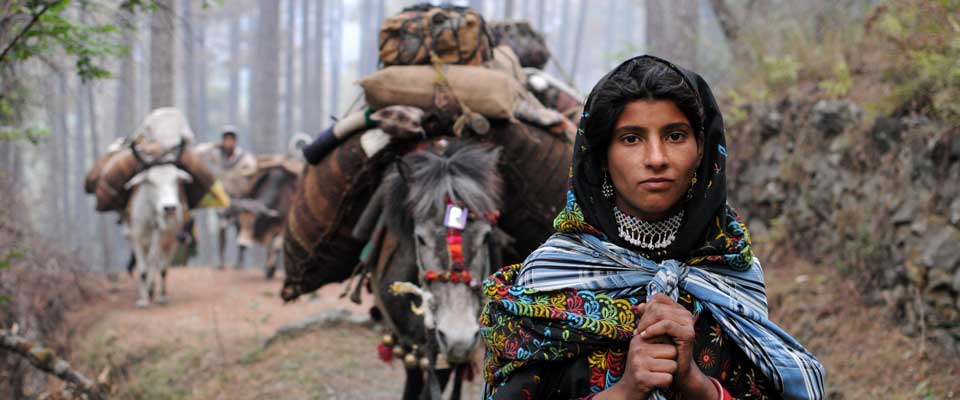
Van Gujjars traditionally move with their buffalo herds between seasonal settlements and forest grazing areas. This mobility allows animals to access varied fodder throughout the year and reduces pressure on any single pasture. It also reflects detailed knowledge of water sources, plants, weather patterns, and animal health.
Pastoral systems can contribute to landscape stewardship. Families often understand changes in vegetation, wildlife movement, fire risk, and water availability before these shifts appear in formal monitoring data. Their observations can strengthen conservation planning when institutions create respectful channels for participation.
Where conservation and livelihoods meet
Protected areas, wildlife corridors, and forest regulations may bring limits on grazing, settlement, collection of forest products, or movement through customary routes. These measures can be important for habitat protection, yet blanket restrictions may produce unintended consequences when they overlook local dependence on natural resources.
The central issue is not whether wildlife deserves protection. It is how protection is designed and implemented. Secure access rights, negotiated grazing plans, fair compensation, and community representation can reduce conflict while maintaining ecological goals. Excluding residents from decision-making often pushes conservation and livelihoods into opposition.
Ecological value of mobile livestock keeping
Buffalo husbandry supports household economies through milk sales, breeding, and the exchange of animals. Income from dairy products can help families pay for education, healthcare, food, and transport. Stronger milk marketing systems can also reduce dependence on intermediaries who offer low prices.
Managed grazing may shape vegetation and nutrient cycles in ways that benefit some grassland and forest-edge habitats. The effects depend on herd size, timing, pasture condition, and local ecology. Community-led monitoring can help identify suitable grazing zones, resting periods, and practical measures for preventing overuse.
| Conservation priority | Pastoral livelihood concern | Collaborative response |
|---|---|---|
| Protect wildlife habitat | Loss of seasonal grazing access | Participatory mapping and negotiated routes |
| Maintain healthy forests | Reduced fodder availability | Fodder regeneration and pasture management |
| Reduce human-wildlife conflict | Crop, livestock, or property losses | Early warning systems and fair compensation |
| Improve biodiversity monitoring | Local knowledge being overlooked | Community wildlife observation |
| Support rural incomes | Unstable milk prices | Better collection, quality control, and market access |
Building trust through rights-based action
Rights recognition is a foundation for cooperation. Forest and domicile rights can give communities greater security, while transparent government engagement can clarify responsibilities for residents, conservation agencies, and local administrations. Legal awareness helps families participate in decisions that affect their homes and livelihoods.
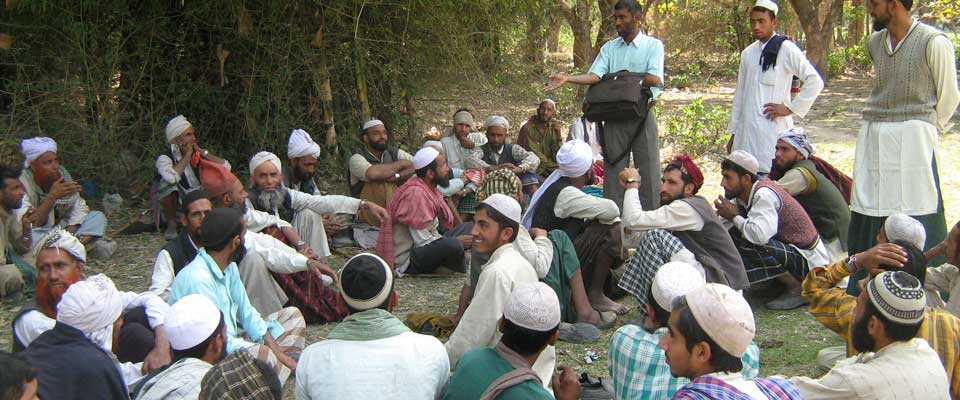
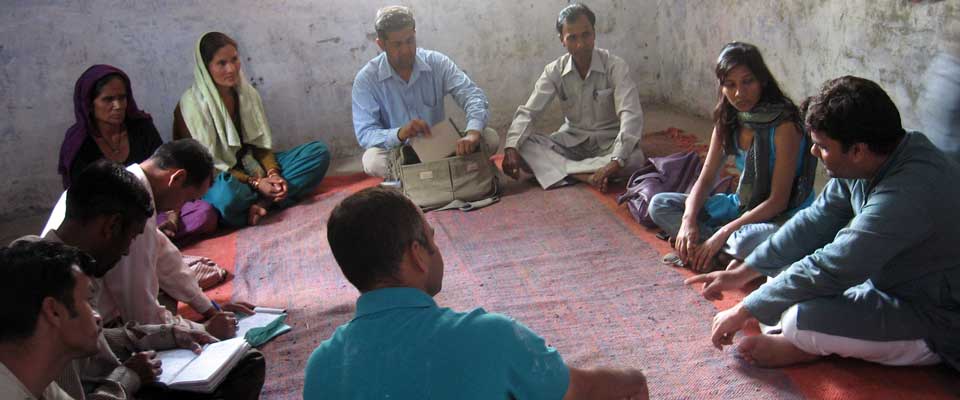
Social mobilization also matters. When communities organize collectively, they can document customary use, communicate shared priorities, and advocate for services and fair policies. Partnerships between local groups, NGOs, researchers, and public institutions can connect community experience with technical resources without replacing local leadership.
Reducing conflict around wildlife
Human-wildlife conflict often reflects competition over space, water, food, and movement routes. Livestock may be exposed to predators, while wildlife can be affected by roads, settlement expansion, waste, and disrupted corridors. Families bearing the economic cost of conservation are unlikely to support it unless institutions respond quickly and fairly.
Practical solutions include improved livestock shelters, veterinary support, predator-aware herding, secure fodder stores, and rapid compensation procedures. Community reporting networks can help identify recurring conflict locations. These measures work best when they are affordable, locally managed, and adapted to seasonal patterns.
Priorities for inclusive conservation
A balanced approach should be grounded in evidence and community consent. The following priorities can help connect biodiversity protection with pastoral well-being:
- Recognize customary forest use and secure lawful community rights.
- Include Van Gujjar and village representatives in conservation planning and monitoring.
- Improve buffalo health services, fodder access, milk collection, and fair market links.
- Create transparent systems for reporting wildlife damage and receiving compensation.
- Support locally led research on grazing, biodiversity, climate pressures, and changing livelihoods.
Working together for living landscapes
Wildlife conservation becomes stronger when it protects ecosystems without treating pastoral families as obstacles. Community knowledge, secure rights, sustainable livestock practices, and accountable public institutions can support a future in which people and wildlife continue to share Himalayan landscapes.
Organizations and individuals who want to contribute can explore ways to get involved with SOPHIA’s work. Supporting rights-based projects, community advocacy, and sustainable livelihood initiatives helps turn cooperation into practical conservation action.