


Organising a Community Health Camp for Buffalo Herders
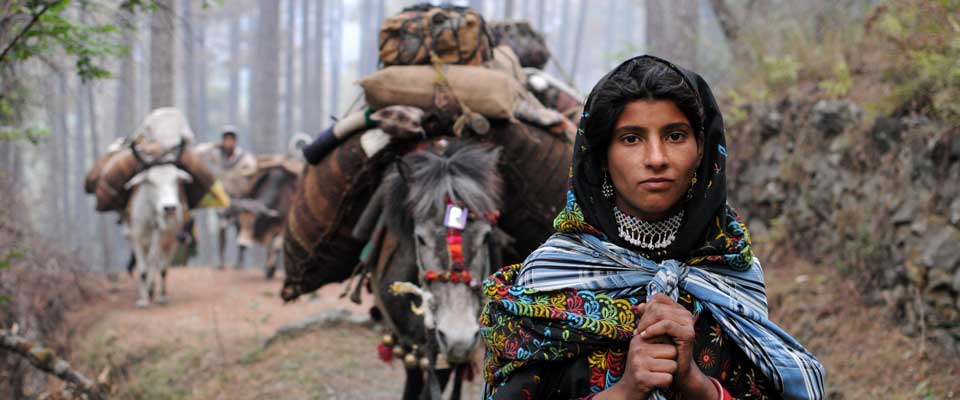
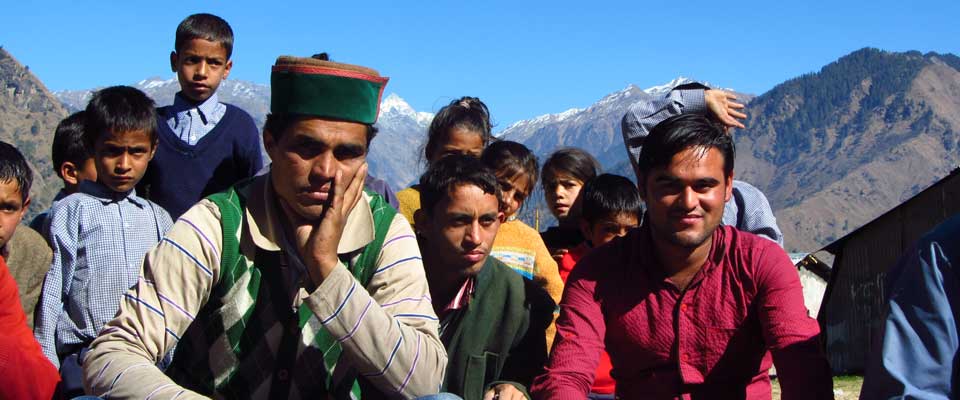
The Van Gujjar and Himalayan pastoral communities who migrate with their buffalo herds face persistent barriers to veterinary and primary healthcare. Many families spend months in remote forest clearings where preventable diseases can escalate quickly. A well-planned health camp brings essential services directly to the herders, reducing animal mortality and family illness without forcing anyone to abandon livestock.
Australians working in agricultural extension or rural health will recognise familiar challenges. Communities in outback Queensland and the Northern Territory wrestle with distance and the need for culturally safe care, issues studied by researchers at the University of Sydney and practitioners in regional Victoria. Drawing on Australian experience with mobile veterinary units, biosecurity protocols under state Agriculture Acts, and outreach models from the National Disability Insurance Scheme can strengthen community health camps in northern India.
Understanding the Pastoral Community and Their Animals
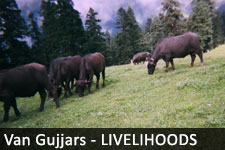
Before pitching tents, organisers must listen to families and learn the rhythm of the migration. Van Gujjar herders in Uttarakhand, Himachal Pradesh, and Uttar Pradesh move between summer pastures in the higher hills and winter forest camps in the Shivalik foothills, and their buffalo are central to identity and livelihood. Familiarity with how families relate to wildlife, including elephants at the forest fringe, helps shape a camp that feels welcome. Their Van Gujjar coexistence with elephants, refined across generations, offers planners a useful starting point.
Veterinary professionals should study common conditions like haemorrhagic septicaemia, foot rot, mastitis, and monsoon-driven parasites. Public health workers need baseline data on anaemia, maternal care, and childhood immunisation from regional Primary Health Centres, avoiding both duplication and missed referrals to district hospitals.
Selecting the Site, Season, and Timing
A camp that ignores seasonal patterns will be poorly attended. The dry window between the end of the monsoon and the start of winter migration, roughly October to early November, usually works in the lower Shivalik. Sites should sit near water, on flat ground reachable by four-wheel-drive, and away from elephant corridors. Coordination with the Forest Department matters, since grazing permits and seasonal closures can shift on short notice.
Australian parallels exist in the annual Hendra virus vaccination drive across Queensland and New South Wales, where councils schedule events around mustering calendars and community rodeos. Borrowing from this approach, organisers can publish a tentative date early, confirm it two weeks ahead with village leaders, and adjust if the herd has moved. A bilingual poster at the local tea shop helps families plan attendance, much as country footy clubs in Ballarat or Dubbo pin notices on the local blackboard.
Stocking Supplies and Equipment
A mobile veterinary unit heading into the foothills needs more than needles and syringes. Cold-chain logistics are critical: vaccines must travel in insulated boxes with conditioned ice, the same way rural pharmacies in regional Western Australia transport temperature-sensitive medicines to Aboriginal medical services. The team should also pack surgical kits, hoof-trimming tools, dehorning equipment, ear-tag applicators, and portable cattle crushes suited to swamp buffalo.
For the human health stream, organisers should bring haemoglobinometers, blood-pressure monitors, pregnancy test kits, oral rehydration salts, iron-folic acid tablets, and paracetamol. Hand sanitiser, gloves, sharps containers, and a small solar charger for diagnostic devices are non-negotiable.
Veterinary and medical kit priorities:
- Cold-chain vaccine carriers with spare ice packs
- Sterile surgical packs, suture material, and local anaesthetic
- Hoof knives, trimmers, and tetanus antitoxin
- Rapid diagnostic strips for brucellosis and mastitis
- Oral rehydration salts and iron-folic acid tablets
Recruiting Local Staff and Translators
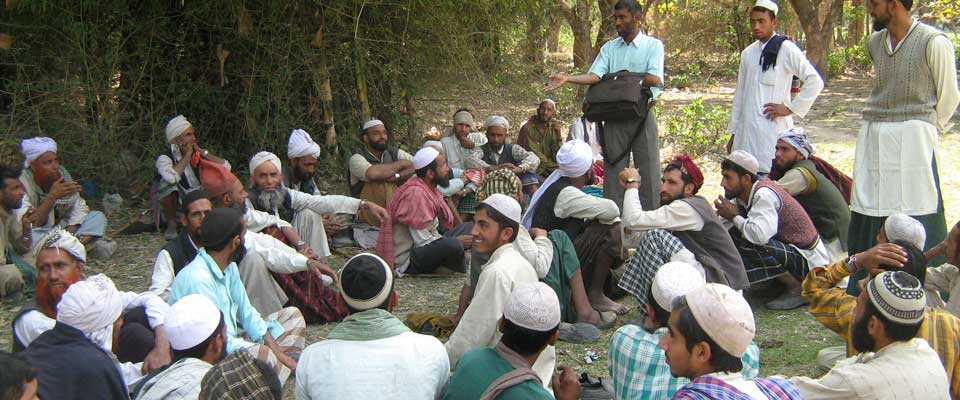
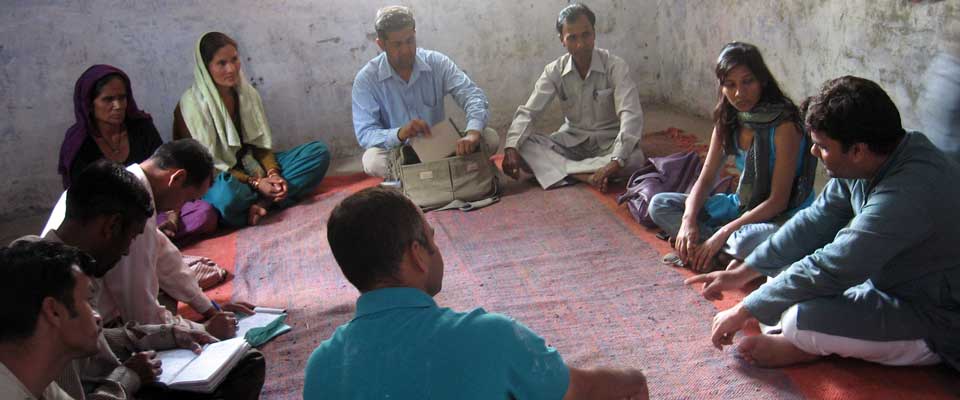
Outside experts are valuable, but a camp only works when community members shape it. SOPHIA's social mobilisers and village health workers know which families need follow-up and which elders carry the herd's trust. Their presence reassures buffalo owners wary of strangers, much as Aboriginal health workers in remote Northern Territory clinics bridge the gap between fly-in clinicians and community members under standards promoted by the National Aboriginal Community Controlled Health Organisation.
Translators fluent in the local dialect, Hindi, and English make clinical conversations accurate and dignified. Recruit women translators where possible to speak with mothers about nutrition, family planning, and childhood immunisation. Train them in confidentiality so they can extend the camp's impact after the team has left.
Running the Day Smoothly
On the day, separate registration areas for animal and human patients prevent bottlenecks. Begin with a short community welcome led by a village elder or SOPHIA field coordinator, then explain the flow. Animals are examined in a holding area, moved through treatment stations, and returned to their owners, while family members rotate through a waiting tent, a clinician's table, and a pharmacy counter.
Record every animal and patient in a simple register, noting follow-up needs. Provide drinking water, shade, and a children's corner so families can stay for several hours. Australian Rotary clubs running similar outreach in the Pacific have found that small comforts like chai, seating, and a shaded play area transform attendance and word-of-mouth for the next camp.
Following Up and Learning for the Next Camp
A health camp is not a one-off transaction. Within a fortnight, a small team should return to check on treated animals, deliver prescribed medicines for chronic conditions, and update referral notes for district hospitals. Photographs, treatment numbers, and case stories feed into SOPHIA's project reports and help secure the next round of funding. Honest reflection on cold-chain breakdowns or underestimated waiting times makes each camp more effective than the last.
Partners worth cultivating before the next camp:
- District Animal Husbandry Office for subsidised vaccines and a government vet
- Local Primary Health Centre staff for family planning and immunisation referrals
- Forest Department beat guards for site access and seasonal intelligence
- Nearby dairy cooperatives for fodder advice and milk marketing linkages
- Australian-Indian sister-school networks for fundraising and pen-pal exchanges
If this work speaks to you, consider joining SOPHIA as a volunteer, donating towards veterinary supplies, or connecting your Australian community organisation with the team in Uttarakhand. The skills of remote-area nurses, rural veterinarians, and indigenous land managers travel well across borders, and a single well-run camp can change the trajectory of a herding family for years to come.