




The Van Gujjar relationship with elephants in the Shivalik foothills
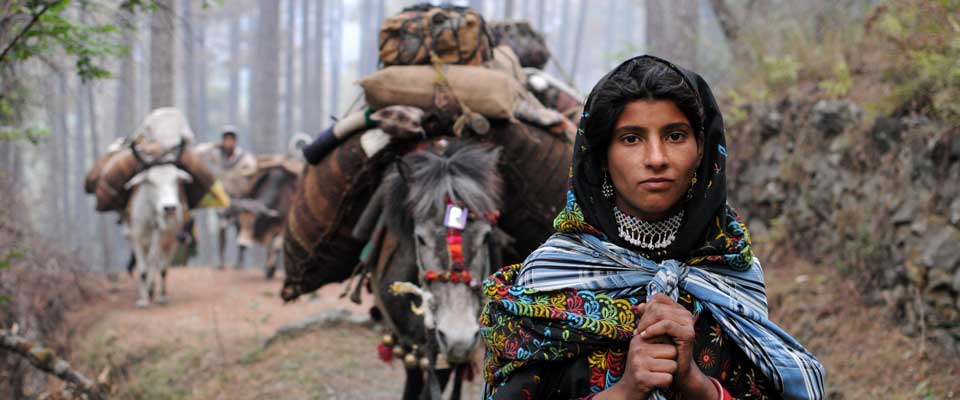
In the forested foothills of the Shivalik range, buffalo-herding families and wild elephants share a landscape shaped by monsoon rains, seasonal movement and expanding human settlement. The Van Gujjar communities who live in this region possess detailed knowledge of forest paths, water sources, fodder plants and animal behaviour. Their relationship with elephants is practical, observant and shaped by coexistence rather than simple admiration.
The Shivalik foothills extend across parts of Uttarakhand, Uttar Pradesh and Himachal Pradesh. Sal forests, grasslands, riverbeds and agricultural edges create an interconnected habitat for Asian elephants. These animals may travel through routes used by Van Gujjar families moving buffalo between seasonal settlements and grazing areas.
For Australian readers, the setting can be understood through familiar discussions about wildlife corridors, pastoral livelihoods and coexistence. A family near Melbourne may think about kangaroo movement across fragmented landscapes, while a Landcare group in Queensland may focus on restoring habitat between farms. In the Shivaliks, these concerns are inseparable from forest rights, customary mobility and household income.
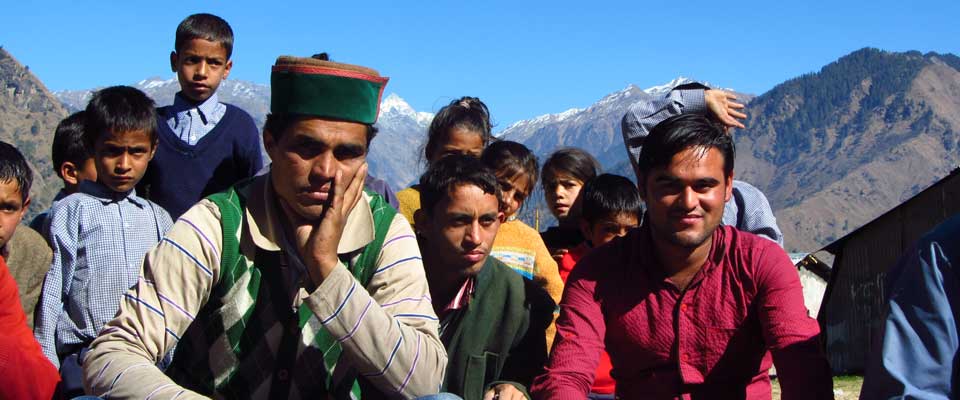
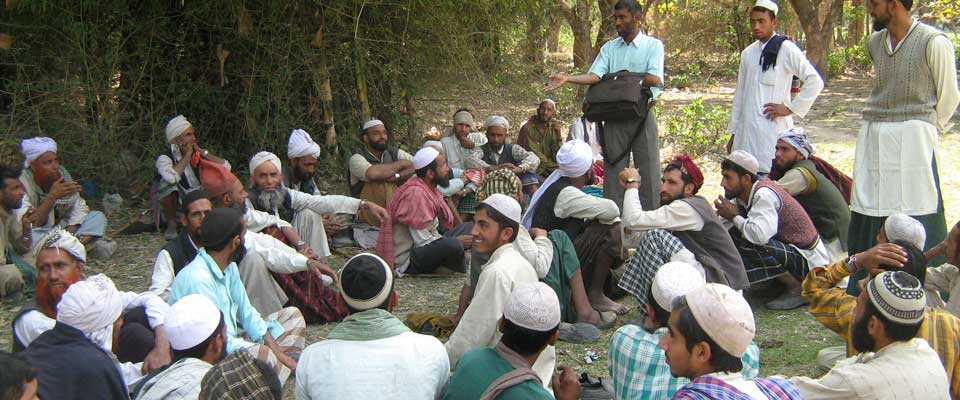
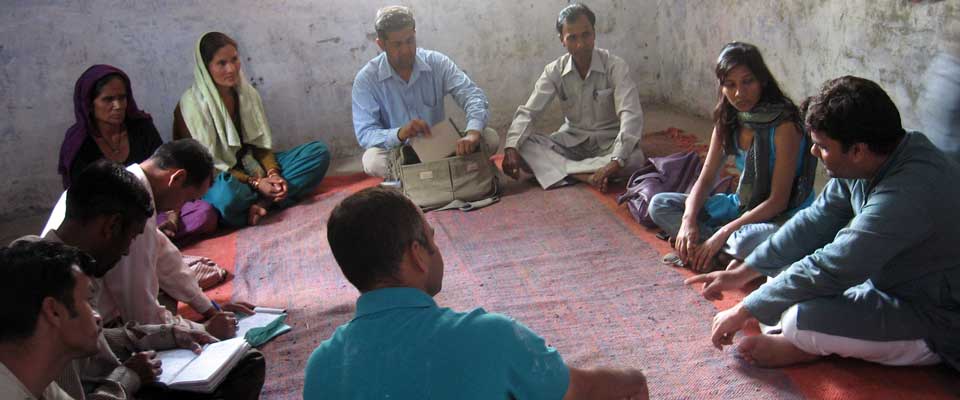
SOPHIA works alongside Van Gujjar and Himalayan village communities through rights-based projects, social mobilisation and engagement with public institutions. Its community-focused work helps place local experience at the centre of conversations about conservation, sustainable buffalo husbandry and secure livelihoods.
Shared landscapes and seasonal movement
Elephants do not recognise administrative boundaries. Their routes may cross reserve forests, village commons, river corridors and cultivated fields, particularly when seasonal food and water availability change. Van Gujjar families also move according to ecological rhythms, taking buffalo towards suitable grazing areas and returning when conditions shift.
This movement creates points of contact. An elephant herd may pass near a temporary settlement, damage stored fodder or enter crops at the edge of a forest. Van Gujjars, in turn, read tracks, broken branches, dung, calls and unusual silence among birds to judge whether elephants are nearby. Such observations can help families decide when to keep buffalo close and when to avoid a particular path.
Knowledge built through observation
Van Gujjar knowledge is transmitted through everyday work. Elders teach younger people how to identify fresh elephant signs, recognise movement along dry streambeds and distinguish a recently used trail from an older one. These skills are part of pastoral life, just as knowing weather patterns and fodder cycles is part of caring for buffalo.
This expertise should be treated as valuable evidence in conservation planning. Government maps may show a wildlife corridor, yet local residents can explain where a route becomes unsafe after heavy rain, where a herd usually pauses, or which settlements are most exposed. Listening to that knowledge can improve early-warning systems and reduce avoidable conflict.
Livelihoods, risk and coexistence
Van Gujjar households depend heavily on buffalo milk, breeding and the sale of dairy products. When elephants raid crops belonging to neighbouring villages or damage fodder stores, the effects can extend beyond immediate property loss. Families may face higher feed costs, disrupted movement and anxiety about travelling through forest areas with animals.
The comparison with Australia’s local food economy is useful. Shoppers in Sydney or Brisbane may choose milk from a supermarket or visit a weekend farmers’ market without seeing the landscapes behind production. In the Shivaliks, access to grazing, safe migration routes and fair milk marketing directly affects whether a household can remain economically secure.
Practical signs that support safer movement
Community-based observation can complement formal wildlife monitoring. It does not remove risk, and no single warning method works everywhere, but locally managed information can give families more time to respond. Useful signs and precautions include:
- Fresh dung, broken saplings and recently disturbed soil along a forest track
- Repeated elephant calls or sudden changes in livestock behaviour
- Avoiding narrow paths, river crossings and dense vegetation after dark
- Keeping children and buffalo away from known routes during peak movement
- Sharing sightings quickly through trusted village networks and forest staff
Effective measures must respect local realities. Electric fencing, lighting or barriers may fail if they block traditional access to water and fodder, while poorly designed interventions can redirect elephants towards another settlement. Solutions work better when Van Gujjar representatives, neighbouring farmers, forest officials and conservation groups help design and review them together.
Rights, conservation and public action
Protecting elephants requires protecting the wider ecological system that supports them. Forest restoration, functioning corridors and reliable water sources can reduce pressure on both wildlife and pastoral families. At the same time, conservation should not treat mobile communities as obstacles. Secure forest and domicile rights can give residents a stronger basis for participating in landscape management.
Partnerships can connect local priorities with wider public concern. Australian organisations familiar with Caring for Country, community conservation and ethical supply chains may recognise the importance of combining ecological goals with cultural rights. Even the respectful practice of acknowledging Country at public events in cities such as Canberra or Adelaide points to a broader principle: land management is also about whose knowledge and authority are recognised.
Useful partnership priorities include:
- Supporting community-led mapping of elephant routes and grazing areas
- Improving compensation systems for crop, fodder and livestock losses
- Expanding safe milk marketing and cold-chain access for pastoral households
- Training local youth in wildlife monitoring, first aid and mediation
- Funding dialogue between villages, forest departments and conservation groups
SOPHIA’s work offers a pathway for informed engagement with these issues. Its projects, community partnerships and advocacy can help connect pastoral families with institutions that influence forests, mobility, dairy markets and wildlife policy. The strongest outcomes will come from treating Van Gujjar residents as rights-holders and knowledge partners.
Supporting this work means recognising that elephant conservation and pastoral justice are closely linked in the Shivalik foothills. Learn about SOPHIA’s communities and projects, share reliable information, and contribute to partnerships that protect wildlife corridors while strengthening the lives of the people who depend on these forests.