




Designing gender-sensitive livelihood projects for pastoral women
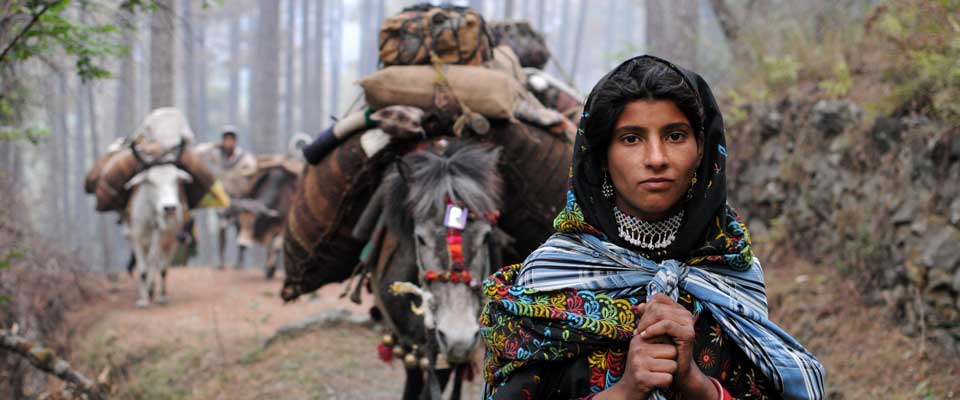
For women in the Van Gujjar and Himalayan village communities of Uttarakhand, Himachal Pradesh and Uttar Pradesh, daily life moves with the buffalo herd. Their labour in milking, processing, herding and household care anchors the pastoral economy, yet their contribution often goes uncounted in policy documents and project reports. SOPHIA's work with these communities has shown that sustainable pastoral futures depend on recognising women not as beneficiaries but as decision-makers and knowledge holders.
Australia offers an instructive parallel. In the Barkly Tableland and around stations run by Aboriginal pastoralists near Alice Springs, women have long managed the yards, the books and the cultural protocols of cattle work. Australian stockwomen speak of "having a go" despite the tyranny of distance, and projects that ignore their rhythms fail quickly. The lessons learnt on a Northern Territory cattle station translate remarkably well to the high-altitude pastures of Uttarakhand.
Designing a livelihood project that genuinely shifts power requires moving beyond participation theatre. It means redesigning timelines around grazing calendars, holding meetings in dialects women actually speak, and budgeting for childcare, mobility costs and the simple fact that a woman cannot attend a workshop if her buffalo is in oestrus that morning.
This article draws on field experience and comparable international practice to outline what works. It focuses on pastoral women whose mobility, literacy and exposure to markets are all constrained by gender, geography and, at times, caste and ethnicity. Understanding these layers is essential before any training, microenterprise or federation plan is rolled out.
Listen before you plan
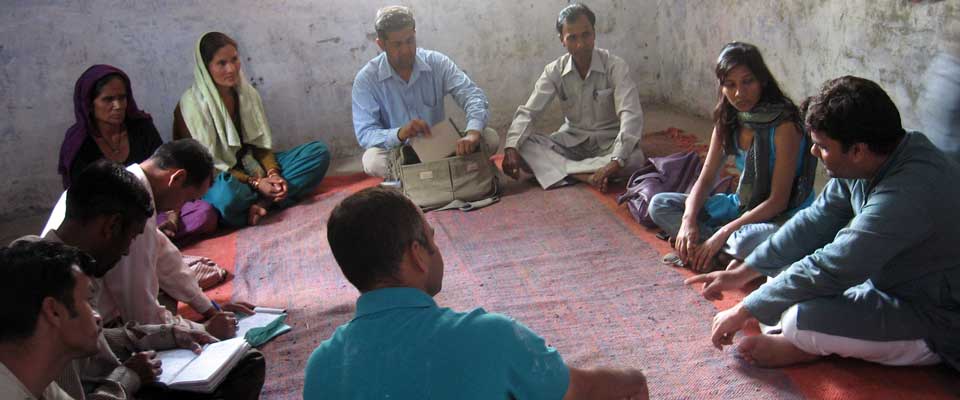
A participatory baseline carried out with women, not just about women, is the first non-negotiable step. SOPHIA's facilitators use separate focus groups with women and adolescent girls, mapping who controls the milk churn, who decides when to sell, and who walks to the collection point at dawn. These conversations surface details that household surveys miss entirely, including the unpaid labour of elderly mothers-in-law and the school dropout patterns that follow monsoon migration.
In Australia, comparable work with Aboriginal women on the Kimberley coast has used yarning circles and on-country walks to draw out livelihood priorities. The method translates: walking alongside a woman as she grazes her animals reveals more about her constraints than any questionnaire. Time spent listening is not a delay to the project; it is the project.
The baseline must also record barriers outside the village: the distance to a functional bank, the behaviour of traders at the mandi, and the seasonal window when women are restricted from public spaces for religious reasons. These factors rarely appear in logical frameworks, yet they determine whether a livelihood activity survives its first year.
Recognise skills that are already there
Pastoral women are skilled negotiators of risk. They read weather, animal health and market signals intuitively. Any livelihood design must begin by documenting these competencies rather than importing external skill packages. In the Van Gujjar context, women are already experts in ghee grading, calf rearing and the medicinal use of forest herbs. A project that trains them in entrepreneurship while ignoring their existing expertise sends a message of inadequacy.
Cross-referencing Australian experience helps. Aboriginal women on remote stations hold sophisticated knowledge of fire management, herbal veterinary care and selective breeding, knowledge that mainstream extension services once dismissed. Programmes that paid women as rangers, healers and trainers succeeded where top-down training failed. The same logic applies in the Himalayan foothills.
This means designing project activities around existing seasonal rhythms. Cheese-making, wool grading or value-added dairy products fit neatly into the post-monsoon window when women have surplus milk and a little more time. Activities that clash with migration or fodder collection will quietly be dropped, regardless of how well-funded they appear on paper.
Build markets that respect her constraints
Market access is gendered long before it becomes commercial. Women in pastoral communities often cannot travel to distant urban markets, cannot negotiate with male traders, and cannot open a bank account without a male relative's signature. A gender-sensitive design tackles each barrier individually rather than treating market linkage as a single box to tick.
In Australia, similar barriers led to the rise of women-led cooperatives supplying organic beef directly to restaurants in Melbourne's Queen Victoria Market precinct. The model succeeded because it bundled transport, branding and invoicing into one service, removing the need for each woman to navigate the city alone. Pastoral dairy cooperatives in India can adopt the same principle by centralising chilling, quality testing and direct buyer contracts at the village level.
Marketing channels should also be chosen with women's digital access in mind. Voice-based messaging, WhatsApp voice notes and community radio are more effective than written platforms in many Himalayan hamlets. A livelihood that depends on a smartphone app will exclude the very women it aims to empower.
Keep her safe, keep her mobile
Mobility is a livelihood asset and a safety risk. Pastoral women often walk long distances between forest grazing areas, water points and milk collection centres, frequently after dark and alone. Any project that increases women's economic activity without addressing safety will quietly transfer risk onto her shoulders.
Practical measures include establishing all-women milk collection points within a safe walking distance, providing group transport for market visits, and training female community health workers who can accompany women during longer journeys. In the Australian outback, similar logic has driven investment in women's safe rooms at remote roadhouses and reliable satellite communications for isolated stations, small interventions that meaningfully expand the geography a woman can move through.
It is also worth noting how caste and ethnic hierarchies intersect with gender. Pastoral women from historically marginalised communities face compounded restrictions on movement and voice. Programmes that ignore this intersection often reinforce it, as elite women capture new opportunities while others are left further behind. A careful study of caste and ethnic dynamics is therefore part of any sound gender analysis.
Measure what matters to her
Standard monitoring indicators, such as numbers trained, income generated and loans disbursed, tell only part of the story. A gender-sensitive livelihood project also tracks changes in women's decision-making authority, control over income, mobility, time burden and confidence to speak in public forums.
Disaggregated data must be collected ethically, with informed consent and without exposing women to retaliation from male relatives or community elders. In Australia, evaluators working with Aboriginal communities have long adopted culturally safe protocols, including data sovereignty principles that let communities own and interpret their own numbers. Indian pastoral projects would benefit from similar standards.
Finally, projects should plan their exit before they begin. A livelihood initiative that collapses when donor funding ends has not built a livelihood; it has built a subsidy. Building local federations, training second-generation leaders and linking women to government welfare schemes all help ensure that gains outlast the project cycle.
Design choices that hold up in the field
- Hold separate women's focus groups during baseline and quarterly reviews, not just mixed meetings.
- Schedule training and collection rounds around grazing calendars, school terms and religious calendars.
- Invest in voice-based and visual communication tools rather than relying on written or smartphone-only formats.
- Establish all-women collection points within a safe walking distance of the village.
- Build central chilling, grading and marketing services so women do not bear transport and negotiation costs alone.
- Track decision-making, mobility and time burden alongside income, using ethically disaggregated data.
- Plan the handover to a women's federation or local cooperative before the first activity begins.
Designing a livelihood project with pastoral women is, at its heart, an act of respect. It recognises that women already hold the knowledge, the networks and the determination to shape their own futures. SOPHIA invites partners, donors and field practitioners to walk alongside these communities, learn from their expertise and co-create programmes that put women at the centre of every decision. Reach out through the website to begin a conversation, share resources or support the next phase of this work.