



Understanding the Caste and Ethnic Dynamics of Van Gujjar Integration
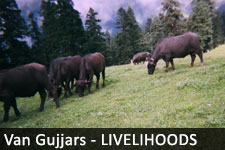
Van Gujjar communities have sustained a pastoral way of life across the forests and foothills of Uttarakhand, Himachal Pradesh and Uttar Pradesh for generations. Their seasonal movement with buffalo herds is closely linked to forest access, milk production, customary knowledge and family networks. Understanding their integration requires more than measuring whether households have entered settled villages or formal institutions.
Caste, ethnicity, religion, occupation and legal status overlap in complex ways. Van Gujjars are generally recognised as a distinct Muslim pastoral community, yet their experience differs by district, gender, income, land access and documentation. For Australian audiences, their story offers a useful perspective on how indigenous identity, mobility and government systems interact.
Identity Across Caste And Ethnic Boundaries
Van Gujjar identity is shaped by shared ancestry, language, pastoral work and social customs. It is also influenced by local caste hierarchies, where settled communities may view mobile pastoralists as socially distant or economically marginal. These relationships can change when Van Gujjar families settle near villages, send children to school or participate in local markets.
Ethnic identity should not be treated as a single, unchanging category. Some families maintain strong forest-based practices, while others combine buffalo husbandry with wage labour, small farming or trade. Integration is strongest when it respects community identity rather than expecting households to abandon their cultural practices.
Mobility And The Meaning Of Belonging
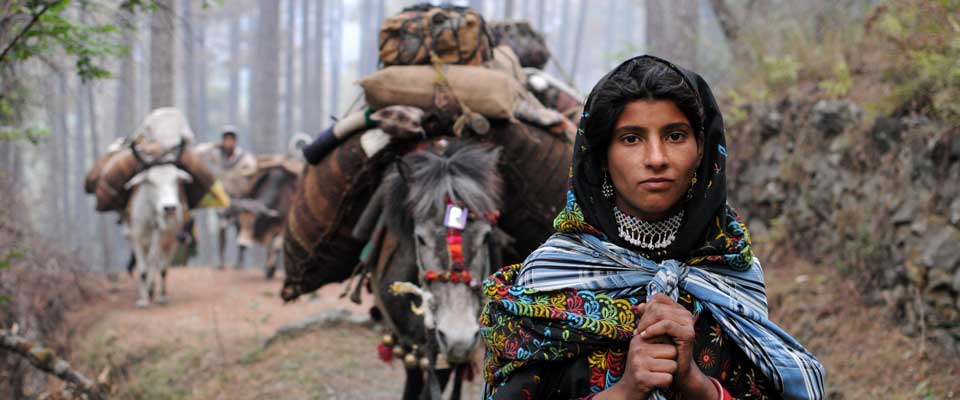
Seasonal migration is central to Van Gujjar pastoralism. Families traditionally move between forest landscapes and lower-altitude areas according to weather, fodder and herd requirements. Official systems, however, often assume that a household belongs permanently to one village and can prove residence through fixed addresses.
This creates difficulties with domicile certificates, voter registration, school admission, ration access and welfare applications. A family may have deep customary ties to a landscape without holding formal title over it. Forest rights advocacy therefore involves recognition of both residence and livelihood, including the collective knowledge that supports sustainable grazing.
Religion, Caste And Public Institutions
Muslim identity is an important part of community life, while caste-like social ranking and ethnic difference influence relationships with neighbouring populations. These dimensions can affect access to schools, health services, local leadership and administrative offices. Women and children may face additional barriers when documents or services are controlled through male household members.
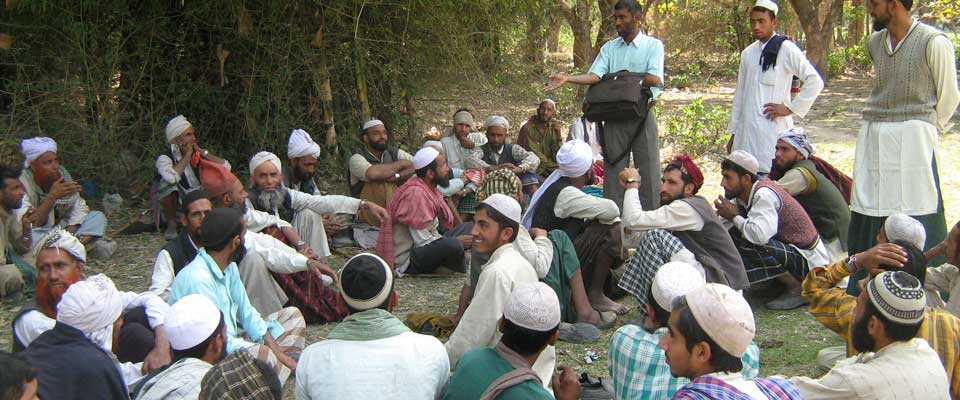
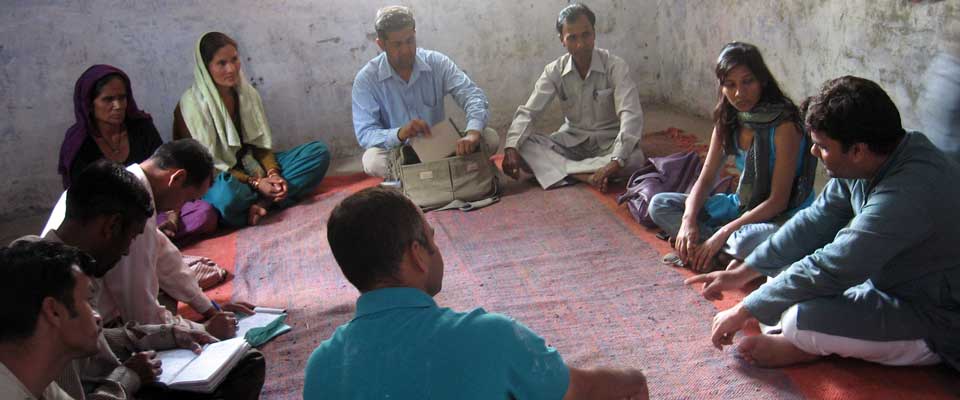
Government engagement works best when officials understand pastoral routines and communicate through trusted community representatives. Social mobilisation can help residents prepare applications, document customary use and participate in local decision-making without reducing community concerns to a single religious or caste category.
Economic Integration Through Buffalo Husbandry
Buffalo husbandry connects Van Gujjar families to wider rural economies. Milk sales provide regular income, while breeding knowledge, animal care and access to grazing support household resilience. Yet producers may receive low prices when they lack refrigeration, transport, bargaining power or direct links with reliable buyers.
For consumers in Australia, where supermarket supply chains are highly consolidated and shoppers often compare prices at Woolworths, Coles and independent grocers, this highlights the importance of producer power. Ethical purchasing in Melbourne, Sydney or Brisbane increasingly considers provenance, animal welfare and fair returns, but those values must reach pastoral households rather than remain a marketing claim.
Practical support can strengthen this economic base:
- Cooperative milk collection and transparent pricing
- Veterinary outreach suited to seasonal migration
- Better fodder, breeding and buffalo health services
- Cold-chain links between villages and nearby markets
Forest Rights And Social Inclusion
Forest access is tied to food, shelter, grazing and cultural continuity. Restrictions on movement or settlement can weaken household income and make young people more dependent on insecure labour. At the same time, sustainable grazing requires cooperation, locally informed rules and attention to forest regeneration.
SOPHIA’s rights-based approach places community voices within advocacy, documentation and government dialogue. This is comparable in principle to Australian discussions about Aboriginal land rights and caring for Country, although the legal histories and institutions are different. The comparison is most useful when it recognises shared concerns about customary authority without treating distinct communities as interchangeable.
Building Fairer Forms Of Integration
Fair integration means access to citizenship rights, education, healthcare, markets and public services while preserving dignity and cultural choice. It does not require every Van Gujjar family to adopt the same settlement pattern, occupation or social identity. Community-led planning can make services more flexible and reduce the risks created by administrative exclusion.
Australian supporters may recognise similar debates in remote Northern Territory and Queensland, where distance, service access and recognition of customary livelihoods shape public policy. The Australian term “on Country” can help explain place-based belonging, while “rego” or a fixed postal address cannot capture the realities of mobile pastoral households in the Himalayas.
Useful priorities for rights-based integration include:
- Secure recognition of forest and domicile rights
- Mobile or seasonal access to education and healthcare
- Women’s participation in community institutions
- Fair milk marketing and stronger producer cooperatives
- Respectful representation in local media and policy
Van Gujjar integration is ultimately a question of equal rights, social recognition and economic voice. Supporters can contribute by learning from community priorities, sharing credible information, partnering with rights-focused organisations and helping strengthen sustainable pastoral livelihoods. Explore SOPHIA’s projects, community work and partnership opportunities to support practical change across the Himalayan region.