




How microcredit groups are empowering pastoralist women
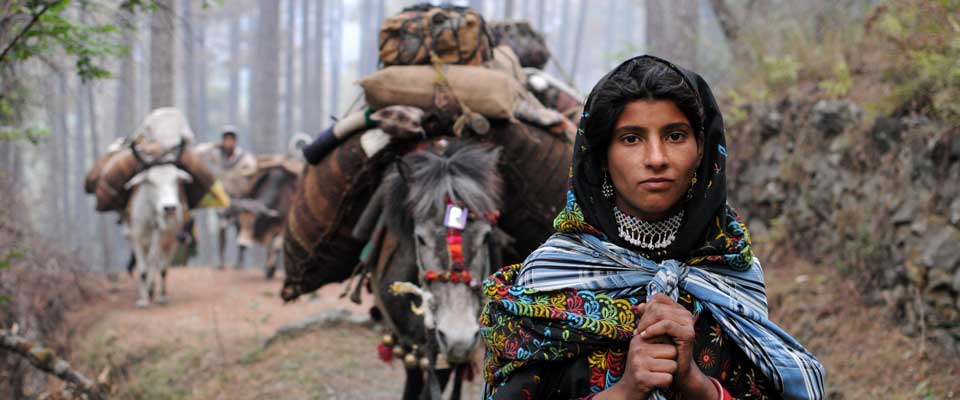
Across the Himalayan foothills, women in pastoralist households manage much of the daily work that keeps families secure. They care for buffaloes, collect fodder, process milk, organise household spending and preserve knowledge about seasonal grazing. Yet access to formal banking, fair markets and government schemes can remain limited.
Microcredit groups are helping change that balance. By combining small loans with regular savings, peer support and practical training, these groups give pastoralist women greater control over income and decisions. The approach offers useful lessons for Australian audiences familiar with community finance, farmers’ markets and locally governed development.
Small loans create room to plan
A woman may need credit to buy a buffalo, pay for veterinary treatment, purchase feed or manage a school expense before milk sales bring in cash. Without affordable finance, families can become dependent on informal lenders charging high interest. A savings and credit group provides a safer alternative, built around trust and shared accountability.
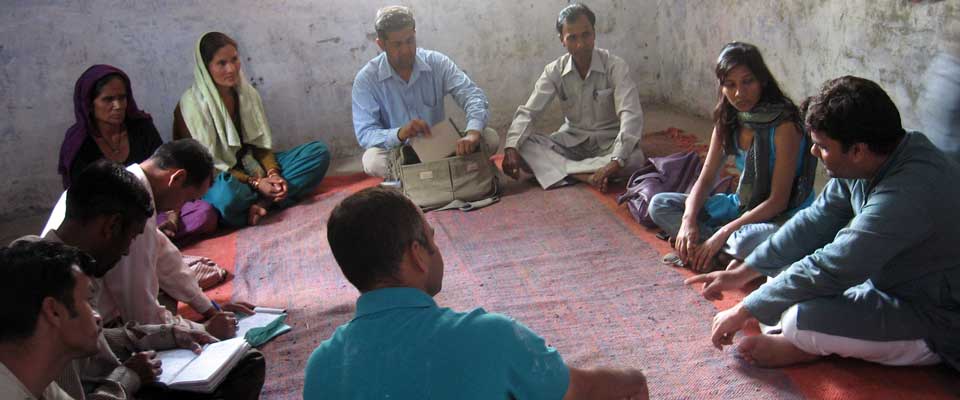
Members usually contribute a modest amount at regular meetings. The pooled fund can then provide loans for urgent needs or productive investments. Repayments return to the group, allowing more women to benefit. This structure is especially valuable where bank branches are distant and official paperwork is difficult to navigate.
Income from milk becomes more reliable
For many Van Gujjar families, buffalo milk is a vital source of household income. Small loans can support better animal care, improved sheds, fodder storage, milking equipment and transport to collection points. Even a modest increase in milk quality or quantity can strengthen a family’s financial position.
Women’s groups also improve bargaining power. When producers share information about prices and coordinate sales, buyers have less opportunity to underpay individual households. SOPHIA’s work on the milk value chain shows why production, transport, processing and marketing need to be considered together rather than treated as separate concerns.
Finance follows pastoral seasons
Pastoral households do not earn money in the same way every month. Income and expenses shift with migration routes, monsoon conditions, fodder availability, animal health and access to forest landscapes. A rigid loan product designed for a salaried worker may not suit a family moving between summer and winter grazing areas.
Community-managed credit can be more flexible. Women who understand local conditions can set repayment expectations around milk cycles and seasonal cash flow. They can also identify when a loan is suitable for an income-generating activity and when a family needs emergency support instead.
This is relevant to Australian rural communities, where drought, floods and bushfires can disrupt farm income and livestock care. Like small producers around regional New South Wales or northern Victoria, Himalayan pastoralists need finance that recognises irregular earnings rather than penalising them for circumstances beyond their control.
Leadership grows through collective action
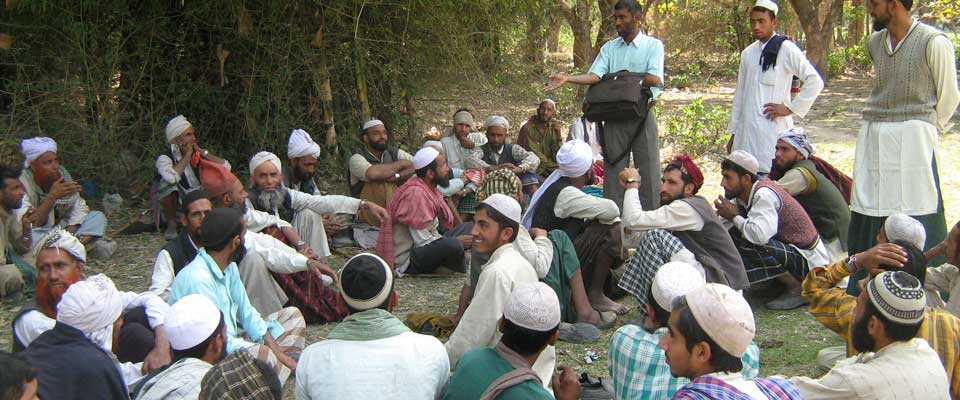
A microcredit meeting is more than a financial transaction. It can become a regular space where women discuss health, education, forest access, documentation, government schemes and household priorities. Speaking in a group helps build confidence, especially for women who have had limited opportunities to engage with officials or markets.
As confidence grows, members may take on responsibilities as treasurers, record keepers, trainers or representatives. These roles develop practical skills while making women’s contributions more visible within families and communities. The group can also support advocacy for forest and domicile rights, sustainable pastoral livelihoods and better public services.
There are useful parallels with community-controlled organisations led by Aboriginal and Torres Strait Islander peoples in Australia. The comparison is not exact, but both contexts show how local leadership and collective decision-making can produce stronger outcomes than programmes imposed from outside.
Local markets reward quality and organisation
Better access to credit matters most when women can connect it to a fair market. Training in hygienic milking, record keeping, animal nutrition, packaging and negotiation can help families receive greater value from what they already produce. Group purchasing may lower the cost of feed or veterinary supplies.
Australian readers may recognise this pattern in Melbourne farmers’ markets, community food hubs and direct-to-consumer dairy businesses. Customers in Sydney and Brisbane increasingly care about provenance, animal welfare and producer stories, while many regional communities rely on co-operatives to keep value circulating locally. For Himalayan producers, reliable collection systems and transparent pricing can create similar benefits.
Digital payments and mobile phones may also reduce the need to travel long distances with cash. However, digital finance must be accompanied by financial literacy, secure identity documents and protection from fraud. Access means little if women cannot safely control the account or understand the terms.
Practical support for women-led finance
Organisations, donors and partners can strengthen these groups by focusing on long-term capability rather than one-off lending. Useful support includes:
- Provide financial literacy training in local languages and accessible formats.
- Link savings groups with veterinary services, fodder suppliers and fair milk buyers.
- Design repayment schedules around migration, calving and seasonal income.
- Support women to obtain identity documents, bank access and government entitlements.
- Fund transparent record keeping, group audits and leadership development.
- Build partnerships with community organisations rather than bypassing local decision-makers.
Microcredit works best when it is part of a wider rights-based programme. Loans cannot compensate for insecure access to forests, unsafe migration routes, poor roads or exploitative markets. Combining finance with social mobilisation, government engagement and advocacy gives women a stronger foundation for lasting economic independence.
For Australian supporters, meaningful engagement can begin with learning from SOPHIA’s community work, sharing trusted networks and backing programmes that place pastoralist women at the centre of decisions. Contributions to community-led finance, livestock care and market access can help turn small savings into durable opportunity. Support the work, share its stories responsibly and help expand the choices available to women whose labour sustains Himalayan families.