



From Pasture to Market: Milk Value Chains in the Himalayas
Across the Himalayan foothills, milk connects forests, seasonal pastures, household economies, and village markets. For Van Gujjar and other pastoral communities, dairy production is part of a wider way of life shaped by livestock care, mobility, customary knowledge, and access to natural resources.
The journey from buffalo shed to consumer is a value chain with many links. Animal health, fodder availability, milking practices, transport, storage, pricing, and market relationships all influence the income a family receives. When one link is weak, producers carry much of the loss.
Understanding this chain helps explain why sustainable pastoral livelihoods require more than better sales. They also depend on forest rights, secure access to grazing areas, community organization, appropriate infrastructure, and meaningful engagement with public institutions.
Milk begins on the grazing route
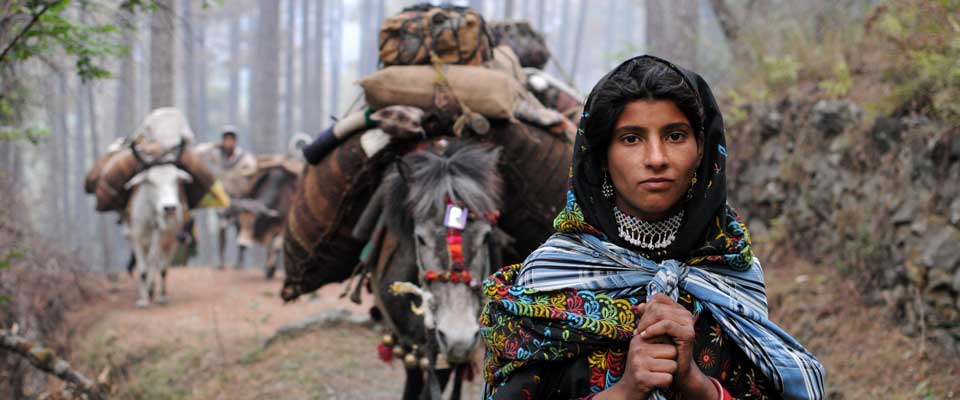
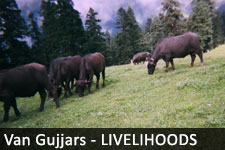
Buffalo husbandry is closely connected to the landscape. Families rely on pasture, forest resources, seasonal movement, and locally available fodder to maintain healthy animals. Knowledge of breeding, feeding, shelter, and disease prevention is often passed through generations.
For pastoral households, milk production must fit around migration routes and daily responsibilities. Access to water, veterinary services, fodder during lean periods, and safe resting places can determine both the quantity and quality of milk. When grazing access is restricted or routes become difficult to use, the impact reaches the household economy and the wider dairy supply.
Seasonality shapes supply
Milk availability changes across the year. Seasonal migration, rainfall, fodder growth, animal health, and the timing of calving can create periods of high and low production. Village buyers and consumers may experience these changes as fluctuating supply, while producers face irregular cash flow.
This pattern makes local planning important. Community-level milk collection, simple quality testing, and reliable transport can reduce waste during periods of abundant production. During lean months, access to fodder banks, animal health support, and fair purchasing arrangements can help families keep their herds productive without taking on unsustainable debt.
Where value is gained or lost
The price paid for milk is shaped by several stages between production and consumption. Each stage can create useful services, yet unequal bargaining power may leave primary producers with a small share of the final value. Transparent weighing, timely payment, and clear quality standards are essential for trust.
| Value chain stage | Main activity | Common pressure | Practical opportunity |
|---|---|---|---|
| Pasture and household care | Grazing, feeding, milking, and animal health | Limited fodder, veterinary access, or secure grazing | Community resource planning and livestock services |
| Collection | Aggregating milk and checking quality | Distance, weak equipment, and spoilage | Local collection points and basic testing |
| Transport and storage | Moving milk to villages or larger markets | Poor roads and lack of cooling | Shorter routes and appropriate cold-chain facilities |
| Processing | Making curd, paneer, ghee, or other products | Limited skills, packaging, and working capital | Small-scale value addition and producer groups |
| Retail and consumption | Selling fresh or processed dairy products | Unstable prices and restricted market access | Direct links with local institutions and consumers |
Value addition can help communities retain more income locally. Products such as ghee, curd, paneer, and traditional dairy preparations may travel more easily than fresh milk, provided producers have training, hygienic facilities, suitable packaging, and dependable demand.
Building fairer market links
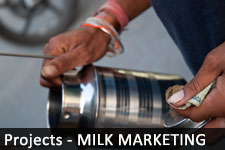
A strong dairy value chain needs relationships that extend beyond one transaction. Producer groups can improve coordination, strengthen price negotiation, organize collection schedules, and make it easier to access veterinary advice or equipment. Collective action can also support shared transport and small processing units.
Market access should be developed with local realities in mind. A distant buyer may offer a larger market but create higher transport costs and stricter delivery requirements. Village institutions, schools, local shops, cooperatives, and community enterprises can provide complementary channels when quality and supply are consistent.
Rights and resilience are connected
Milk marketing cannot be separated from the rights of the people who produce it. Forest rights and secure access to customary grazing areas support fodder availability and animal care. Domicile rights and access to public services influence whether families can obtain documents, welfare benefits, education, healthcare, and institutional support.
For Van Gujjar communities and Himalayan villages, rights-based development strengthens economic resilience. Social mobilization, advocacy, government engagement, and partnerships among civil society organizations can help communities participate in decisions affecting forests, mobility, livestock services, and rural infrastructure.
SOPHIA works with communities in Uttarakhand, Himachal Pradesh, and Uttar Pradesh to support indigenous rights, sustainable pastoral livelihoods, buffalo husbandry, and milk marketing. Its approach links community empowerment with practical improvements in livelihoods and public engagement.
Priorities for stronger dairy livelihoods
A more equitable Himalayan dairy economy can be supported through focused, community-led action:
- Protect customary pasture and forest access while supporting responsible resource management.
- Expand nearby milk collection, quality testing, safe storage, and dependable transport.
- Strengthen producer groups so households can negotiate prices and share services.
- Invest in animal health, fodder planning, climate-resilient shelters, and practical husbandry training.
- Develop locally appropriate value-added products with fair branding, packaging, and market connections.
These priorities work best when communities define their needs and take part in implementation. Government departments, NGOs, buyers, researchers, and local institutions can contribute resources, but durable progress depends on accountable partnerships and respect for community knowledge.
From pasture to market, every link reflects the wellbeing and rights of Himalayan pastoral families. Support SOPHIA’s work by learning about its projects, sharing community perspectives, building responsible partnerships, and contributing to initiatives that connect indigenous rights with sustainable milk-based livelihoods.