





Community-led seed banks preserve indigenous crop diversity
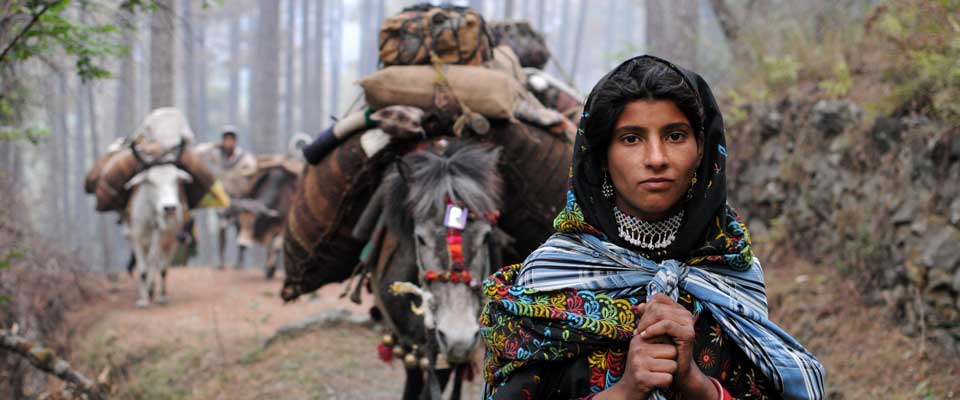
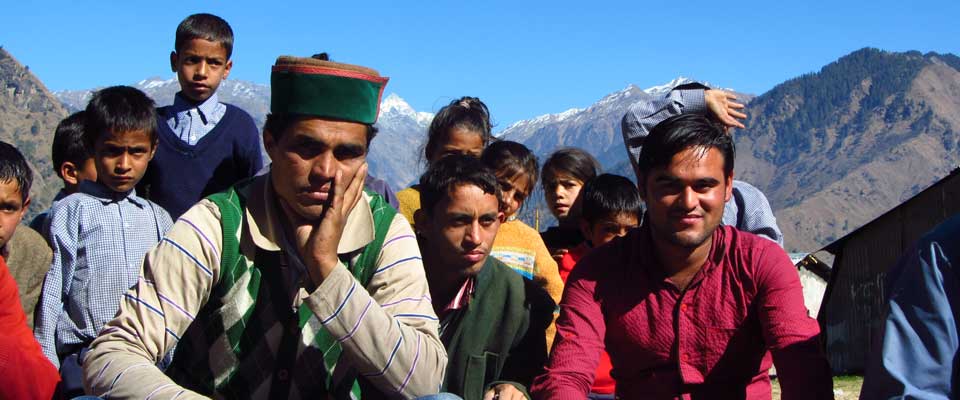
In the high-altitude meadows of Himachal Pradesh and the forested foothills near Corbett, families who have tended livestock and cultivated small plots for generations are quietly rebuilding a safety net for their food. Across the Indian Himalayas, agricultural change has arrived quickly, and the slow, reliable crops that once anchored village life have grown harder to find each year. Community-led seed banks have emerged as a direct response, offering a way to keep ancestral varieties alive in the hands of those who understand them best.
In Australia, the story resonates with farmers and gardeners from Melbourne to Hobart, where concern about the narrowing of commercial seed supply has spurred parallel efforts. Australian seed-saving networks now swap heritage varieties across suburban backyards, school gardens, and rural co-operatives. The link between local action and global food resilience feels more tangible every season, especially as climate patterns shift and import supply chains face new pressures.
Modern hybrid seeds, bred for uniform ripening and long-distance shipping, have displaced thousands of heritage landraces within living memory. These older varieties carry genetic traits refined over centuries: drought tolerance, resistance to local pests, and the ability to thrive in poor soils. When a variety disappears from cultivation, its adaptive wisdom is often lost with it, leaving farmers more vulnerable to the next shock.
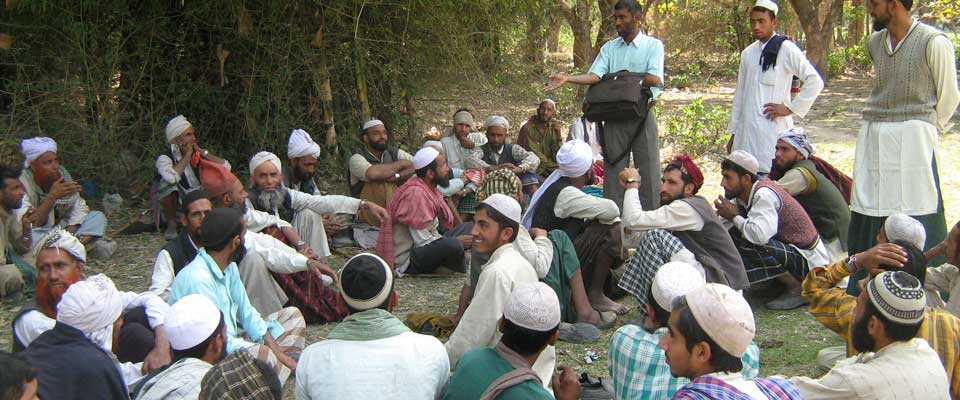
Community-managed seed banks reverse that trend by placing control back into village hands. Farmers deposit, borrow, and multiply seeds under agreed protocols, building a living library that travels between households and seasons. The model echoes practices long used by First Nations communities across continents, where seed selection has always been both a sacred duty and a practical responsibility.
The disappearing diversity of traditional crops
The world has lost roughly three-quarters of its plant genetic diversity since the early twentieth century, according to widely cited figures from the Food and Agriculture Organization. In India, hundreds of traditional rice, millet, and pulse varieties have vanished from farmers' fields as markets rewarded yield over resilience. The same pattern plays out in Australia, where heritage wheat strains such as Purple Straw and Digger have largely given way to a handful of commercial cultivars suited to industrial baking.
This narrowing creates real exposure. When a single variety dominates a landscape, a new disease or heatwave can wipe out an entire harvest. Genetic uniformity in food systems mirrors the same risk seen in livestock, where over-reliance on a few breeds invites disaster. Seed banks, in their many forms, exist to widen the pool again.
Inside the community seed bank model
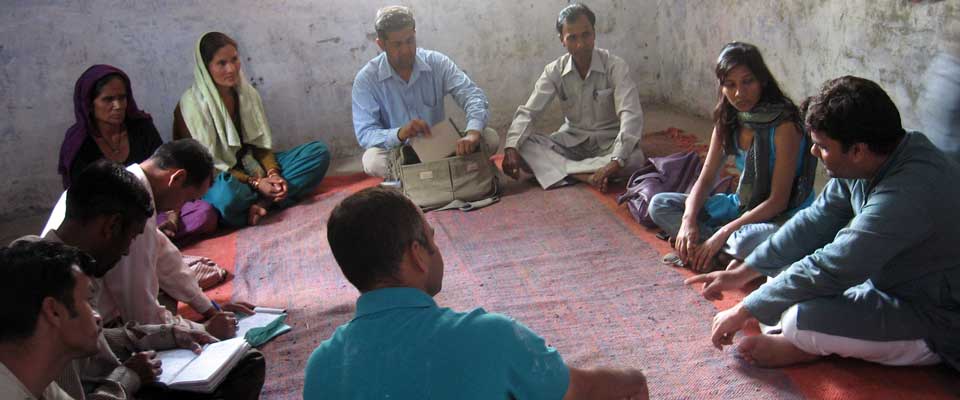
A typical village seed bank begins with a simple storeroom, a set of labelled jars, and a committee of elders and farmers who decide what to conserve. Members contribute seed at harvest, the committee checks viability each season, and loans are made at planting time. Surplus returns are stored for the following year, building a rolling reserve that belongs to the community rather than to a distant corporation.
In the regions where SOPHIA works with Van Gujjar and Himalayan village communities, seed conservation often sits alongside pastoral livelihoods. Buffalo herders, transhumant families, and small cultivators share knowledge of plants suited to particular elevations and soils. Climate impacts on Himalayan pastoralism only deepen the urgency, since herders depend on fodder species that are themselves a form of stored biodiversity.
Indigenous wisdom and pastoral linkages
Seed keeping has never been separate from livestock keeping in mountain communities. Fodder trees, millet varieties, and medicinal herbs are part of the same web of care. Elders who manage breeding bulls or decide when to move to the high meadows also know which grains tolerate early frost and which millets survive a dry August. Recognising this overlap is central to the rights-based approach SOPHIA champions, because it treats pastoralism and cultivation as a single living heritage.
Documentation matters too. Without records of taste, ritual use, and growing notes, even a well-stored seed loses much of its value. Communities that combine oral knowledge with simple field registers preserve far more than genetic material; they preserve relationships between people, plants, and place.
Australia's parallel movement in crop conservation
Australian organisations have been building their own responses for decades. The Australian Seed Bank Partnership coordinates conservation across botanic gardens from Perth to Sydney, and groups such as Seed Savers Network run workshops in regional towns where members learn to dry, label, and store heritage vegetables. Indigenous-led projects, including seed work by communities in central Australia, are also restoring native millet, yam, and grass species with deep cultural significance.
Federal legislation shapes what is possible. The Environment Protection and Biodiversity Conservation Act 1999 governs access to native plant material and protects sites of ecological importance, while state-level acts cover on-farm collection. Recent national discussions about a statutory agrobiodiversity strategy show that seed conservation is moving from the margins into mainstream agricultural policy.
Pathways for supporting seed conservation
Individuals can keep the work alive without leaving home. Saving seed from open-pollinated vegetables, joining a local swap, or supporting a community garden all strengthen the informal networks that back up formal banks. Contributing funds, time, or expertise to organisations working with mountain and pastoral communities is equally valuable, since the people closest to the land often have the fewest resources to document what they hold.
Policy support matters as well. Australians can back measures that fund community seed repositories and protect traditional knowledge from appropriation. The choices made in kitchens, paddocks, and parliaments together shape whether the next generation inherits a wider or narrower seed basket.
Join SOPHIA's work with Himalayan and pastoral communities by visiting the website, exploring the projects, and finding a way to contribute that fits your circumstances.