




Climate Change and Its Impact on Transhumant Pastoralism
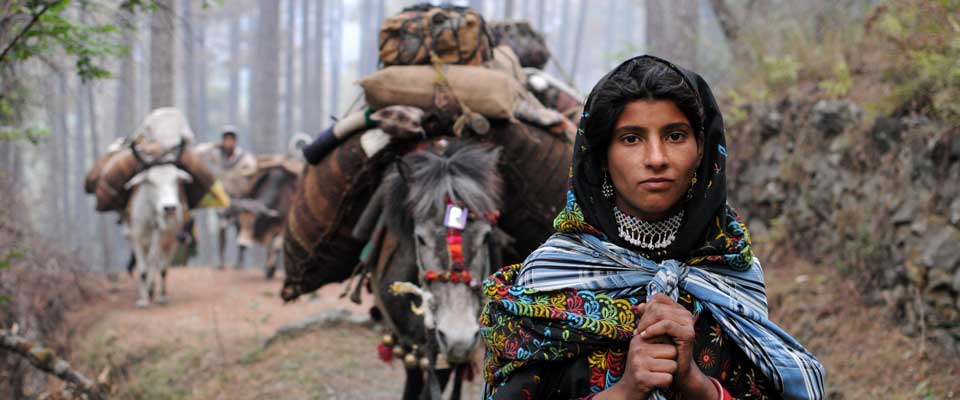
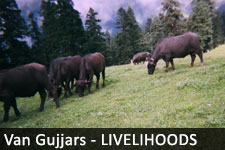
Across the Himalaya, transhumant pastoralism connects seasonal movement with animal care, forest access, and household survival. Van Gujjar families traditionally move buffalo herds between winter settlements in the foothills and summer grazing areas in the mountains. This mobility follows ecological rhythms that have developed over generations.
Climate change is disrupting those rhythms. Warmer temperatures, unpredictable rainfall, shrinking snow cover, forest fires, landslides, and longer dry periods are changing the availability of fodder and water. These pressures affect livestock health, milk production, family income, and the cultural practices associated with pastoral life.
For organizations such as SOPHIA, responding to environmental change also means protecting rights. Climate adaptation must support community decision-making, secure forest and domicile rights, and strengthen the livelihood systems that allow pastoral households to remain mobile when mobility is still the best ecological choice.
Seasonal Movement Under Pressure
Transhumant herders plan their routes around pasture quality, water sources, weather, and the health of their buffaloes. When spring arrives earlier or monsoon rainfall becomes irregular, customary calendars become less reliable. Pastures may dry before herds reach them, while sudden storms can damage trails, bridges, and temporary shelters.
In Uttarakhand, Himachal Pradesh, and adjoining areas, the timing and safety of migration are also affected by road construction, restricted forest access, and expanding settlements. A blocked route can force families to take longer journeys or remain in one place, increasing pressure on local grazing resources.
Effects on Buffalo Husbandry
Buffaloes require dependable water, shade, nutritious fodder, and protection from extreme heat. Rising temperatures can increase heat stress, reduce grazing time, and contribute to disease and reproductive problems. Young animals are especially vulnerable when households lack veterinary services or emergency feed.
Milk production is closely tied to animal nutrition. Poor pasture conditions may lead families to purchase fodder at prices they cannot easily afford. When milk yields fall or collection routes are interrupted by floods and landslides, pastoral households face an immediate loss of income. Better veterinary outreach, fodder banks, and locally managed water points can reduce these risks.
Forest Rights And Climate Resilience
Forests provide grazing, fuel, medicinal plants, and shelter during seasonal migration. Yet communities can become more vulnerable when conservation policies exclude customary users or treat mobile livestock keeping as a threat. Secure and recognized rights allow pastoralists to participate in protecting forests while maintaining responsible access.
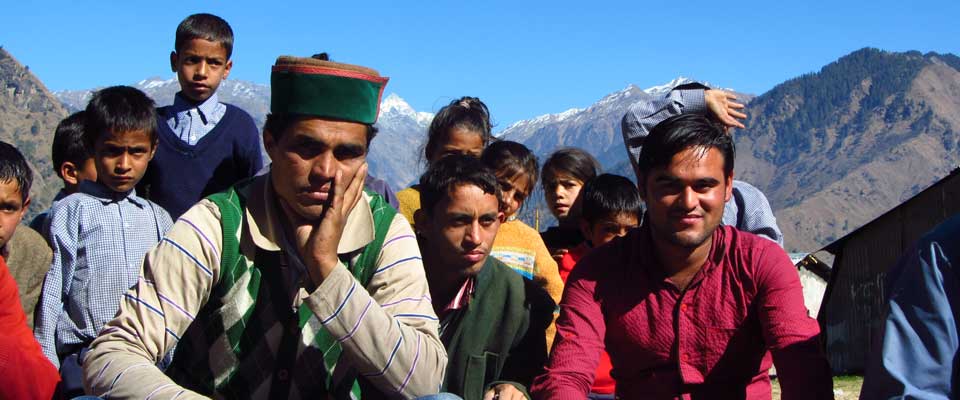
Understanding the history and present realities of Van Gujjar communities is essential for designing fair climate responses. Their knowledge of grazing routes, pasture recovery, water sources, and animal behavior can complement scientific monitoring and help identify practical adaptation measures.
Livelihood And Social Impacts
Climate-related losses often spread beyond livestock. If migration becomes unsafe or unprofitable, families may borrow money, sell animals, seek wage labor, or send children to distant schools. Women frequently carry additional responsibilities when water and fodder become harder to collect, while limited access to markets can reduce their control over dairy income.
Displacement from customary routes can also weaken social networks and cultural identity. Seasonal movement is a livelihood strategy, but it is also a way of organizing family life, knowledge, cooperation, and relationships with the landscape. Protecting pastoralism therefore requires attention to education, healthcare, documentation, and social security alongside grazing rights.
| Climate pressure | Impact on pastoral households | Practical response |
|---|---|---|
| Irregular rainfall | Reduced pasture and water availability | Community water harvesting and pasture restoration |
| Extreme heat | Animal stress and lower milk yields | Shade, veterinary care, and improved fodder |
| Floods and landslides | Damaged routes and market disruption | Safer migration paths and emergency transport plans |
| Forest fires | Loss of grazing and habitat | Local fire prevention and community forest monitoring |
| Changing disease patterns | Higher treatment costs and animal losses | Mobile veterinary camps and vaccination coverage |
Community-Led Adaptation
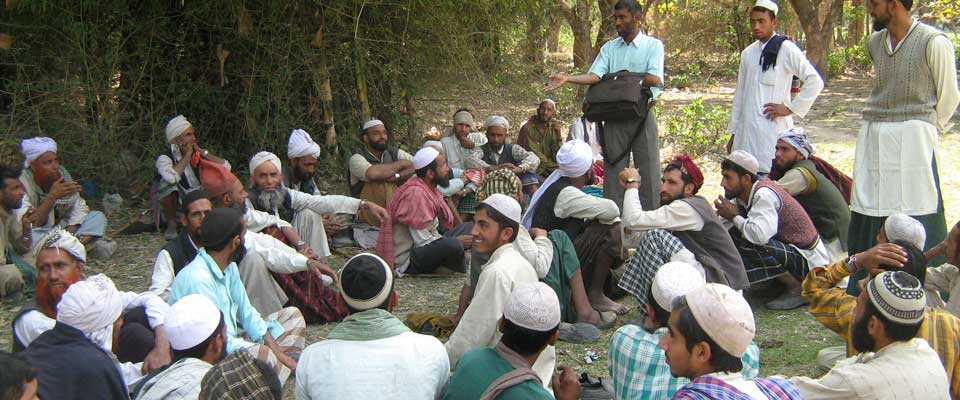
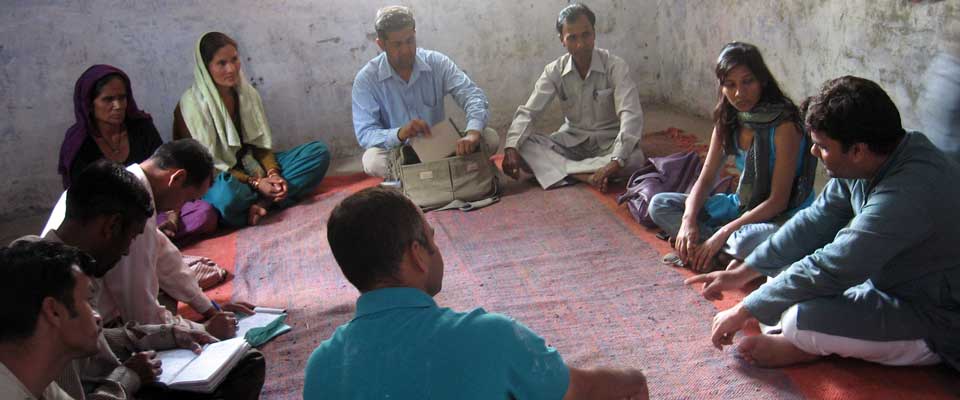
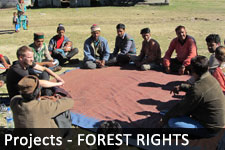
Adaptation works best when pastoralists help define the problem and manage the response. Community mapping can document migration corridors, water points, resting places, and areas affected by fire or erosion. This information can support dialogue with forest departments, local governments, and disaster management authorities.
Useful measures include fodder cultivation near winter settlements, preservation of drought-tolerant grasses, small water-harvesting structures, weather advisories in local languages, and mobile animal-health services. Improved milk collection and cold-chain facilities can also protect income when roads or markets are disrupted.
Building Fair Climate Policies
Government climate programs should recognize mobility as an adaptive practice rather than assuming that permanent settlement is the only solution. Policies need to address forest and domicile rights, access to public services, safe migration routes, and the legal identity of mobile households.
Partnerships between community organizations, researchers, NGOs, and public agencies can strengthen evidence-based advocacy. SOPHIA’s rights-based work offers a model in which social mobilization, government engagement, and livelihood support are connected rather than treated as separate activities.
Priorities For Pastoral Resilience
- Recognize customary grazing, forest, and domicile rights through transparent community processes.
- Establish local water, fodder, veterinary, and emergency-support systems along migration routes.
- Include pastoral representatives, including women and young people, in climate planning.
- Improve milk marketing, storage, transport, and fair pricing for remote settlements.
- Record indigenous ecological knowledge and combine it with weather and pasture monitoring.
Climate change is making seasonal movement more uncertain, but pastoral communities possess knowledge and institutions that can guide effective solutions. Supporting their rights, livelihoods, and participation will help protect both Himalayan ecosystems and the families who depend on them. Learn about SOPHIA’s work, share credible information, and support partnerships that place community leadership at the center of climate action.