




How climate change is reshaping grasslands for herders
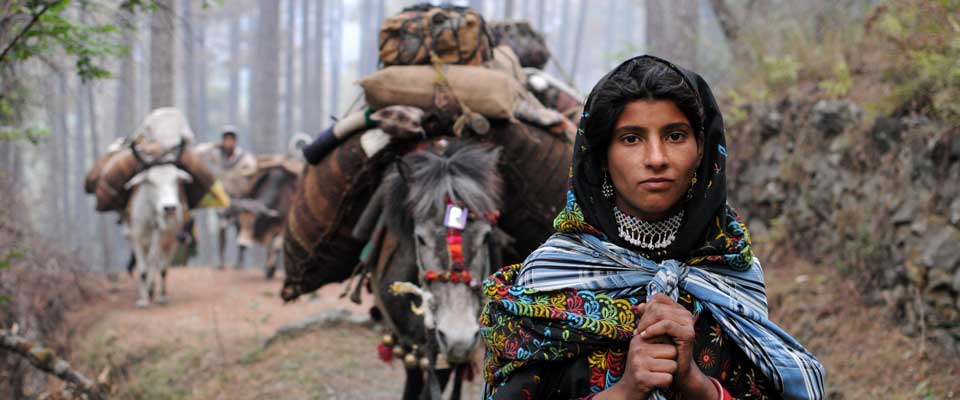
Across the Himalayan foothills, grasslands are essential to pastoral life. Van Gujjar and village communities depend on seasonal grazing areas to feed buffaloes, maintain milk production, and move animals between forests, valleys, and higher meadows. These landscapes are changing as temperatures rise and rainfall becomes less predictable.
Climate change affects both the amount and quality of available forage. Longer dry periods, intense rain, warmer winters, invasive plants, and shifting snowfall can reduce pasture productivity or make traditional grazing routes difficult to use. For herders, environmental change quickly becomes an economic and social concern.
The effects are rarely uniform. A pasture may appear green after heavy rain while offering little nutritious grass, or a familiar meadow may dry earlier than expected. Understanding these changes is important for protecting pastoral livelihoods and strengthening community-led resource management.
Uncertain rainfall changes grazing calendars
Herders have long used seasonal knowledge to decide when to move animals and where fresh grass is likely to appear. Irregular monsoons and delayed winter rainfall now make these decisions less reliable. Dry spells can arrive during periods when grass should be growing, while sudden downpours may wash away soil and young vegetation.
This disruption can shorten the useful grazing season. Buffaloes may need supplementary fodder earlier, increasing household expenses and the time required to collect or purchase feed. When several communities face the same shortage, pressure on remaining pastures can also increase.
Heat and extreme weather reduce forage quality
Higher temperatures accelerate moisture loss from soil and plants. Grass may mature too quickly, become coarse, or lose nutritional value before animals can graze it. Heat stress can also reduce buffalo appetite, milk yields, and reproductive health, especially where shade and water are limited.
Extreme weather creates additional risks. Cloudbursts, landslides, floods, and prolonged droughts can damage pastureland, block migration routes, and isolate settlements. These events may destroy fodder stores or force families to keep animals closer to home, where grazing pressure becomes concentrated.
Forest access and grassland rights are connected
Many Himalayan pastoralists use forests and common lands under customary arrangements that are not always fully recognized in official records. When access is restricted, even a productive grassland may be practically unavailable. Climate change intensifies this problem by reducing the number of places where herders can find reliable forage.
Secure tenure and recognition of community rights help people plan for environmental change. The wider importance of domicile rights also shows how legal recognition can influence belonging, access to services, and long-term community security. Rights-based governance gives herders a stronger voice in decisions about forests, grazing routes, and adaptation programs.
Local knowledge supports practical adaptation
Pastoral communities possess detailed knowledge of grass species, water sources, animal health, and seasonal movement. This knowledge can guide the restoration of degraded patches, protection of key wetlands, and identification of drought-resistant fodder. Community mapping can also record traditional routes that are missing from official plans.
Adaptation works best when it builds on local priorities. Small water-harvesting structures, fodder banks, rotational grazing, veterinary services, and improved milk collection can reduce pressure on shrinking pastures. These measures should be designed with herders rather than imposed without their participation.
| Climate pressure | Likely effect on herders | Useful community response |
|---|---|---|
| Delayed or irregular rain | Shorter grass-growing season | Fodder storage and local water conservation |
| Higher temperatures | Lower forage quality and animal heat stress | Shade, drinking water, and heat-resilient fodder |
| Intense rainfall | Soil erosion, floods, and damaged routes | Grassland restoration and safer seasonal planning |
| Warmer winters | Shifting plant growth and pest patterns | Regular pasture monitoring and veterinary support |
| Drought | Reduced biomass and greater grazing competition | Rotational use and community fodder reserves |
Grassland monitoring can improve decisions
Simple, regular monitoring can help communities identify change before a crisis develops. Herders can record rainfall, spring and stream conditions, pasture height, flowering times, animal body condition, and milk production. Combining these observations with local weather information can improve decisions about movement and supplementary feed.
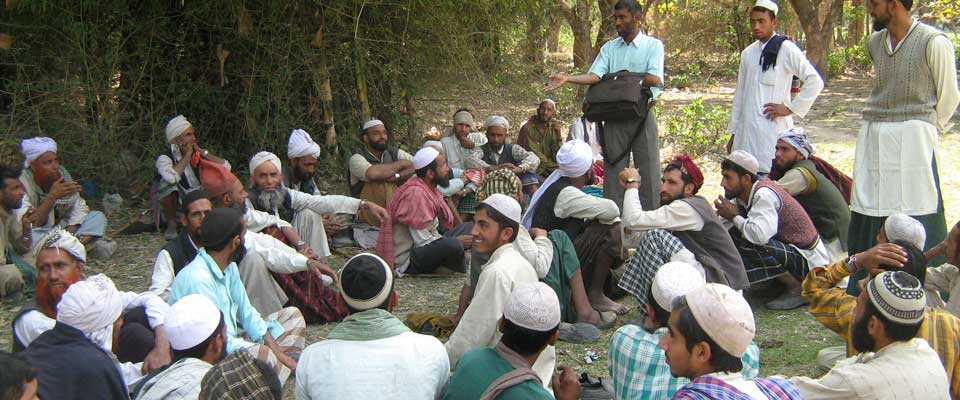
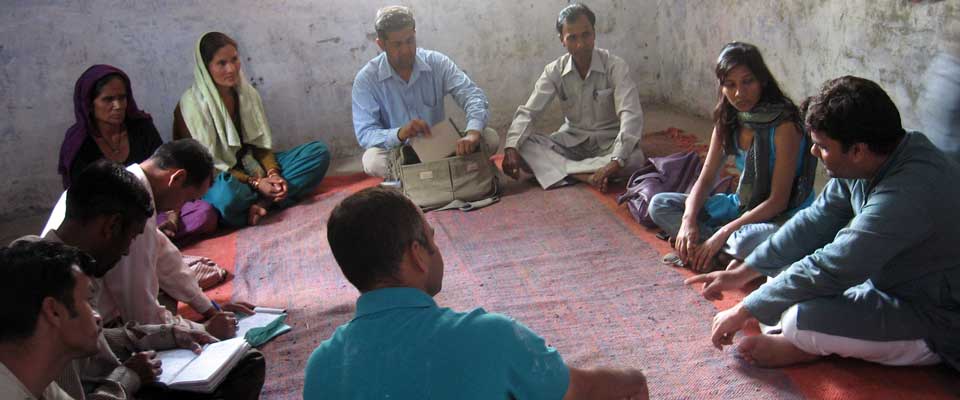
Monitoring should remain accessible and community-owned. Local institutions, women’s groups, youth, and pastoral leaders can all contribute observations. Partnerships with civil society organizations, researchers, and government departments may add technical support while respecting indigenous knowledge and community control over data.
Recommendations for resilient pastoral livelihoods
Effective responses should address the ecological, economic, and legal dimensions of grazing. Priority actions include:
- Restore native grasses and protect heavily used pasture patches from seasonal overgrazing.
- Establish community-managed fodder banks for droughts, floods, and delayed monsoons.
- Improve access to veterinary care, clean water, shade, and heat-stress guidance for buffaloes.
- Map customary migration routes and grazing areas for inclusion in local development plans.
- Strengthen milk marketing so households can maintain income when pasture conditions fluctuate.
These actions become more effective when government agencies recognize herders as environmental managers rather than treating them only as beneficiaries. Participatory planning can align conservation with pastoral use, while social mobilization can help communities negotiate fair access to forests, roads, water, and markets.
Building a future for pastoral communities
Climate change will continue to alter the timing, quality, and distribution of Himalayan grasslands. Yet vulnerability is not determined by weather alone. Secure rights, strong community institutions, reliable services, and respect for pastoral knowledge can greatly influence how families respond.
Supporting SOPHIA’s rights-based work helps keep herder voices present in discussions about forests, livelihoods, and climate adaptation. Learn about its projects, share community perspectives, and help advance practical solutions that protect grasslands and the people who depend on them.