



A Van Gujjar Healer For People And Buffaloes
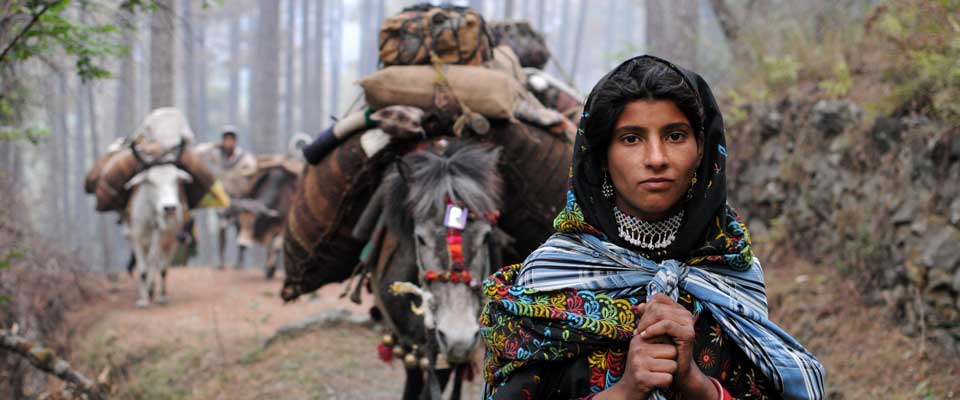
Before sunrise in the Himalayan foothills, a Van Gujjar pastoralist may already have checked the herd, boiled tea and listened for the cough of a buffalo. For families who move with their animals between forest grazing grounds and winter settlements, health care is shaped by distance, weather and seasonal migration.
Among these communities, healing knowledge is often practical, inherited and closely tied to the land. One respected healer may treat a child’s fever, dress a cut, identify a troubling symptom in a buffalo and advise a family when professional medical help is urgently needed.
This profile follows the work of a Van Gujjar healer whose knowledge serves both human health and buffalo husbandry. His role is not a replacement for trained doctors or veterinary surgeons. It is a trusted first response in places where a clinic, pharmacy or animal-health worker may be many hours away.
For Australians familiar with remote cattle stations, long drives to services and the importance of local knowledge, this way of life offers a meaningful point of connection. The Himalayan setting is different, yet the principle is recognisable: strong communities often rely on people who understand the land, animals and families together.
A Life Shaped By Seasonal Movement
The healer’s day begins with observation. He watches how a buffalo stands, whether it is eating, how it breathes and whether the animal separates itself from the herd. In a family, he notices changes in a person’s energy, appetite, skin or movement before suggesting a remedy or referral.
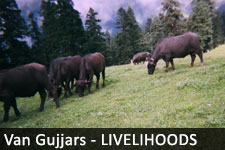
Van Gujjar families traditionally depend on buffaloes for milk, income and household nutrition. When an animal falls ill, the effects may reach every part of family life. A loss of milk can reduce food security and cash earnings, while an untreated infection can weaken the herd.
The healer therefore carries more than medical knowledge. He understands grazing routes, forest conditions, water sources and the pressures faced by mobile pastoralists whose rights and access to services are often insecure.
Remedies Grounded In Local Knowledge
His methods may include plant-based preparations, careful cleaning of wounds, massage, dietary advice and knowledge of basic animal care. Such practices are passed through observation and apprenticeship, with older community members teaching younger people how to recognise danger and use local resources responsibly.
Good practice also includes knowing the limits of traditional treatment. A serious injury, difficult birth, persistent fever, poisoning or suspected infectious disease requires a trained health professional. The healer’s value lies partly in recognising these warning signs and helping families reach outside support.
This combination of cultural knowledge and practical referral can protect both people and livestock. It respects community experience while leaving space for cooperation with government health workers, veterinary teams and rights-based organisations.
Trust Is Part Of The Treatment
A healer is often approached because he speaks the community’s language, knows its customs and understands the realities of movement through forest landscapes. Trust matters when a family is anxious, an animal is suffering or formal services feel distant and unfamiliar.
For Australian readers, the comparison may be clearest in a remote station or regional town where a stockperson’s judgement is valued because it comes from years of close observation. It also resembles the care found in community-controlled services, where cultural safety and local leadership influence whether people feel comfortable seeking help.
SOPHIA’s work places this knowledge within wider efforts for indigenous rights, forest rights, sustainable pastoral livelihoods and community empowerment. Its disaster relief work shows why trusted local networks are essential when floods, landslides or displacement interrupt ordinary services.
A Story That Travels Beyond The Himalayas
In Melbourne, a shopper might meet small-batch buffalo mozzarella at a farmers’ market and think about ethical sourcing, animal welfare and the story behind a product. In the Himalayan hills, milk is linked directly to mobile households, grazing access and the survival of a pastoral economy.
The comparison should not flatten two very different systems. Australian dairy and livestock markets are shaped by regulation, cold chains, formal veterinary services and farm-gate branding. Van Gujjar families may sell milk through informal channels, face difficult roads and have fewer options when buyers, officials or extreme weather disrupt their livelihoods.
That difference makes community-led support important. Australians often say “good on you” when recognising practical action, but solidarity needs to go further than appreciation. It can mean learning how indigenous rights, pastoral livelihoods and public services intersect in Uttarakhand and neighbouring Himalayan regions.
Ways To Support Respectful Community Partnership
The most useful support strengthens local decision-making rather than treating community members as passive recipients. Contributions should help improve access to information, veterinary care, emergency response, documentation and fairer milk markets while respecting the knowledge already present.
For supporters in Australia, engagement can be thoughtful and practical:
- Learn about Van Gujjar culture, seasonal migration and forest rights before sharing campaign messages.
- Support organisations that work through community consultation, local partnerships and transparent reporting.
- Discuss ethical livestock production and indigenous land rights in schools, community groups and farmers’ markets.
- Share verified stories from SOPHIA’s media archive without removing context or dignity from the people shown.
- Consider regular giving or partnership support for health access, buffalo husbandry and disaster preparedness.
A healer who treats people and buffaloes represents a living system of care. His knowledge connects household wellbeing, animal health, ecology and economic security. Supporting that system means backing the communities who have sustained it, while helping them secure fair rights and reliable services for the future.
Explore SOPHIA’s work, share its community stories and contribute to programmes that place Van Gujjar and Himalayan village communities at the centre of lasting change.