




Legal Strategies for Defending Pastoralist Access to Forests
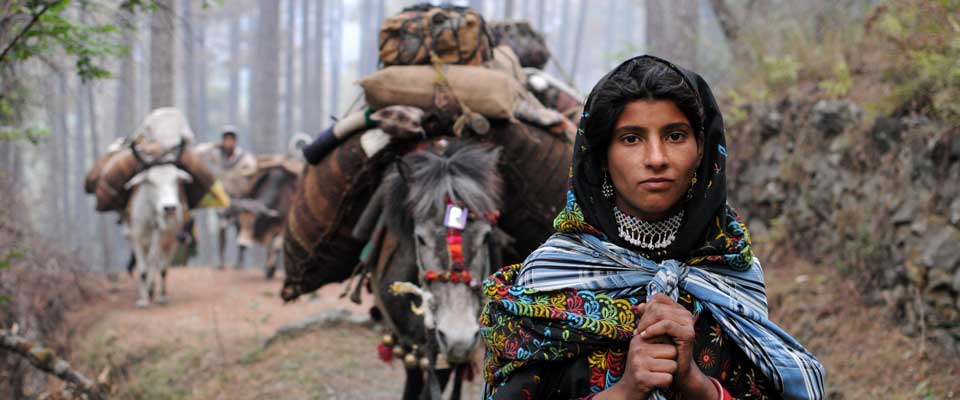
For pastoralist communities, forests are homes, grazing grounds, migration routes, and sources of fodder, water, fuel, and medicinal plants. Van Gujjar families in the Himalayan region often depend on seasonal movement with buffalo herds, making access to forests central to their livelihood and cultural identity.
Legal protection begins by recognising these practices as rights rather than informal privileges. The Forest Rights Act, 2006 (FRA), constitutional guarantees, forest regulations, and administrative procedures can create practical safeguards when communities understand how to use them collectively.
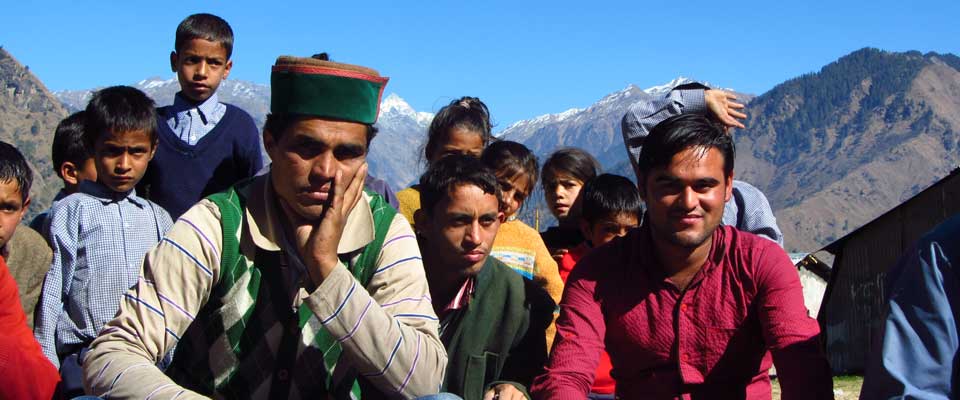
SOPHIA supports Van Gujjar and Himalayan village communities through rights-based work, social mobilisation, advocacy, and engagement with government authorities. A strong legal strategy combines documentation, community leadership, lawful negotiation, and carefully prepared claims.
Establishing Rights Under the Forest Rights Act
The FRA recognises certain individual and community forest rights that existed before the law came into force. Relevant claims may include customary grazing, seasonal access, collection of minor forest produce, and community rights connected with traditional use. The precise eligibility and evidence must be assessed according to the Act, its rules, and local circumstances.
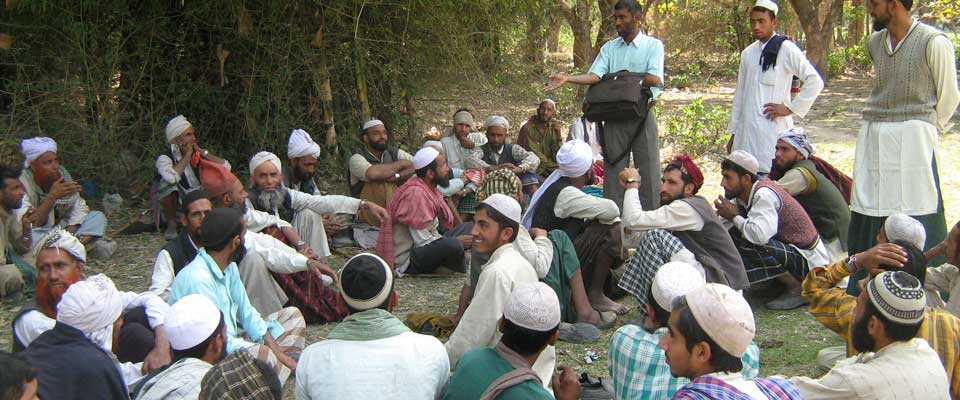
The Gram Sabha is a central authority in the recognition process. It can receive claims, review evidence, form or supervise a Forest Rights Committee, and pass resolutions before forwarding matters to the Sub-Divisional Level Committee. Communities should ensure that meetings are properly convened, attendance is recorded, and resolutions accurately describe customary pastoral practices.
Building Evidence That Reflects Seasonal Use
Pastoral access is often difficult to prove through permanent structures or land records. A legal file should therefore capture seasonal migration routes, traditional camping areas, grazing locations, water sources, and the duration of use. Older residents can provide oral histories, while neighbouring villages may confirm routes and shared practices.
Useful evidence may include ration cards, voter records, forest permits, livestock registers, revenue documents, veterinary records, photographs, maps, satellite imagery, and statements from community members. Records of buffalo ownership and milk marketing can also demonstrate the continuing economic importance of pastoralism.
Using Administrative Procedures Strategically
A written application creates an official record and makes it harder for a claim to disappear through informal discussion. Each submission should carry a date, list its attachments, identify the legal basis, and request a receipt. Copies should be retained by the claimant group and shared with trusted legal or civil society partners.
When an application is rejected, delayed, or ignored, the community can request the reasons in writing and examine whether the correct authority followed the FRA process. Appeals and reviews should be filed within the relevant rules and supported by evidence addressing each reason for refusal. Legal aid organisations can assist with drafting petitions, appeals, and representations to district authorities.
| Legal need | Practical action | Supporting evidence |
|---|---|---|
| Recognise customary grazing | File a community forest rights claim through the Gram Sabha | Migration maps, testimonies, past permits |
| Prevent arbitrary eviction | Request written notice and the legal basis for action | Notices, officer correspondence, witness statements |
| Protect seasonal routes | Record routes and coordinate with neighbouring settlements | GPS sketches, village resolutions, historical accounts |
| Challenge an adverse decision | Use appeal or review procedures promptly | Rejection order, claim documents, meeting records |
| Secure community participation | Demand Gram Sabha consultation for relevant decisions | Attendance sheets, minutes, signed resolutions |
Responding to Eviction and Access Restrictions
Forest and wildlife authorities must act within the law and follow due process. If officials threaten eviction, confiscate livestock, block a traditional route, or impose a penalty, community members should remain calm and request the officer’s name, department, written order, and legal authority. Witnesses should record the incident safely without obstructing official duties.
Urgent cases may require representation to the range officer, divisional forest officer, district administration, Tribal Welfare Department, or State Level Monitoring Committee. Where constitutional or statutory rights are at risk, a qualified lawyer may consider proceedings before the appropriate court. Immediate legal advice is especially important when livestock is seized or criminal allegations are made.
Connecting Forest Rights With Livelihood Security
Forest access cannot be separated from pastoral economics. Reliable grazing and migration routes support buffalo health, milk production, household nutrition, and access to markets. Legal advocacy should therefore connect forest claims with veterinary services, fodder planning, water access, transportation, and fair milk procurement.
Community institutions can negotiate practical conservation arrangements, such as agreed grazing calendars, protection of regeneration areas, fire prevention, and sustainable use of water points. Such agreements should be written, transparent, and consistent with recognised rights rather than replacing them with temporary permissions.
Strengthening Collective Legal Action
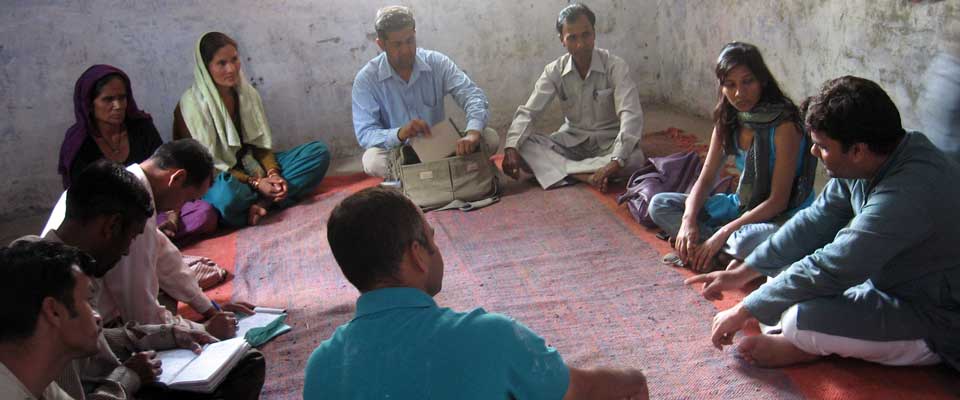
Individual complaints can be useful, but collective action usually provides stronger evidence and greater protection. Village assemblies, pastoralist groups, women’s collectives, youth volunteers, and local leaders can divide responsibilities for mapping, record keeping, government liaison, and media communication.
Effective advocacy should use respectful engagement while preserving an independent record of every decision. Partnerships with NGOs, researchers, legal aid providers, and allied communities can bring technical support without taking control away from residents. The community’s own testimony and priorities should remain at the centre of the process.
Practical Steps for Community Rights Defenders
- Hold a Gram Sabha meeting to document customary forest use and seasonal movement.
- Create a secure evidence file with copies of applications, maps, notices, and identity records.
- Train local volunteers to track deadlines, meeting minutes, livestock seizures, and official communications.
- Seek advice from a qualified lawyer or legal aid group before signing statements or responding to criminal allegations.
- Build dialogue with forest officials around conservation, grazing management, and lawful access.
SOPHIA works alongside Van Gujjar and Himalayan village communities to turn rights into informed collective action. Support can include documenting pastoral histories, strengthening community institutions, connecting residents with legal resources, and advocating for fair government implementation.
Become part of this work by partnering with SOPHIA, sharing relevant expertise, supporting community-led rights projects, or helping amplify the experiences of pastoralist families across Uttarakhand, Himachal Pradesh, and Uttar Pradesh.