



Youth workshops on digital advocacy for land rights
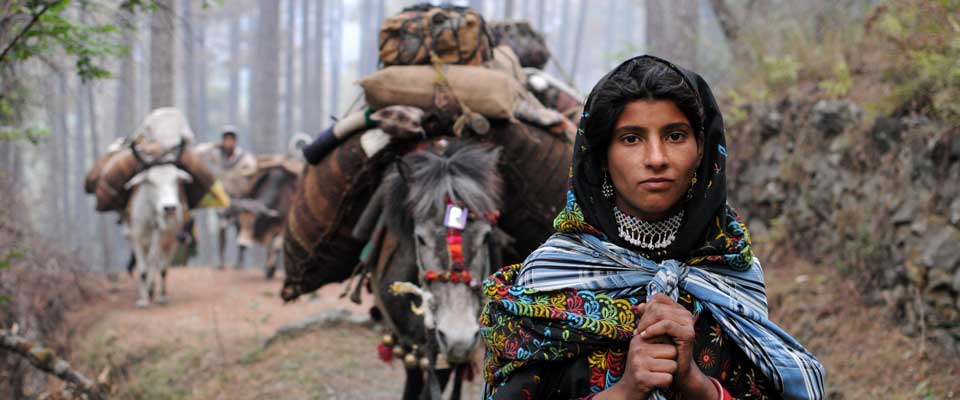
For young people in Van Gujjar and Himalayan village communities, land rights are closely connected to forests, seasonal migration, grazing routes, water sources, and cultural identity. Digital tools can help communities document these concerns, explain them clearly, and engage with public institutions without losing control of their own stories.
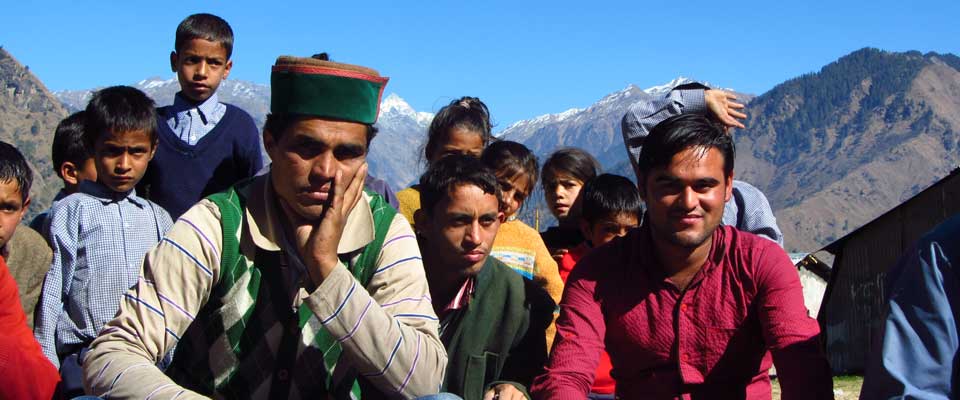
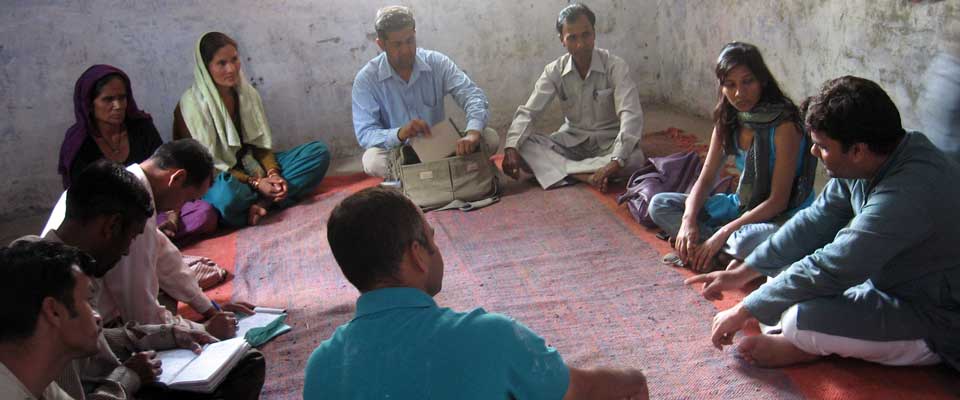
SOPHIA’s youth-focused workshops can build the skills needed for responsible online advocacy. Participants learn how to gather evidence, create accessible messages, protect sensitive information, and connect local experiences with wider conversations about indigenous rights and forest governance.
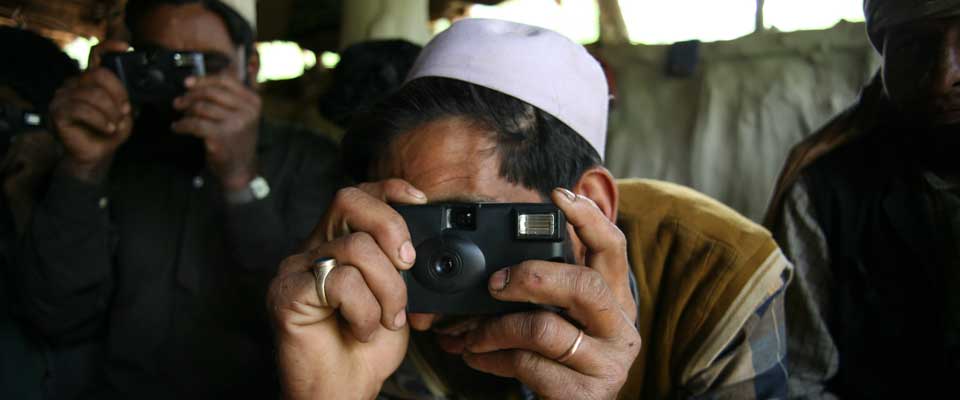
Digital advocacy is most effective when it strengthens community-led action rather than replacing meetings, traditional knowledge, or collective decision-making. A phone camera, messaging platform, or social media post becomes useful when it supports a clearly defined demand and reflects the consent of the people involved.
Connecting local knowledge with rights
Workshop sessions can begin with the realities young people already understand: access to forest land, recognition of domicile rights, pastoral mobility, buffalo husbandry, and the pressures affecting village livelihoods. Mapping these issues helps participants see how individual experiences relate to legal and policy questions.
Young advocates can then learn to frame a rights-based message. Instead of sharing an isolated complaint, they might explain how a restricted grazing route affects milk production, household income, and cultural practices. This approach gives public officials, journalists, and partner organizations a clearer basis for action.
Building practical digital skills
Digital advocacy training should combine communication techniques with basic research and verification. Participants can practice taking location-aware photographs, recording short interviews, writing fact sheets, and organizing documents in secure folders. They should also learn to distinguish personal testimony from verified information.
Storytelling needs care when it involves indigenous communities. Consent should be obtained before recording or publishing a person’s image, name, voice, or location. Young people can explore how development and tourism influence community life through resources such as tourism and Van Gujjar traditions, while ensuring that local people remain the authors and owners of their narratives.
Choosing the right channel
Different advocacy goals call for different platforms. A private messaging group may be suitable for coordinating a village meeting, while a public video can raise awareness about a broader forest rights campaign. A formal email, petition, or online submission may be more effective when requesting action from a government department.
| Advocacy goal | Useful digital format | Important safeguard |
|---|---|---|
| Record a land or forest concern | Photos, notes, location records | Confirm facts and protect sensitive locations |
| Explain a community demand | Short video, infographic, statement | Use clear language and obtain consent |
| Engage public officials | Email, petition, digital memorandum | Include dates, evidence, and a specific request |
| Build wider solidarity | Social media campaign, webinar | Avoid exposing vulnerable families |
| Track responses | Shared document or campaign log | Limit access to trusted participants |
Workshops can also cover language access. Content in Hindi, local dialects, or simple English can reach different audiences, while visual formats help people with limited literacy. Young participants may become translators between village meetings, civil society partners, media platforms, and administrative offices.
Protecting people and evidence
Online advocacy carries risks. Publicly sharing a family’s location, migration route, identity documents, or details of a land dispute can create unwanted attention or conflict. Training should therefore include password protection, two-factor authentication, privacy settings, secure backups, and methods for removing identifying details from public materials.
Evidence must be organized in a way that can support follow-up. Participants can record when and where an incident occurred, who witnessed it, which office was contacted, and what response was received. A consistent archive makes it easier for SOPHIA and community partners to identify patterns and prepare advocacy with credible documentation.
Turning workshops into collective action
A successful workshop should lead to a small, realistic campaign. Young people might document access to a traditional pasture, prepare a community briefing on domicile rights, or create a series of interviews about sustainable pastoral livelihoods. Each activity should have a clear audience, timeline, responsibility, and measure of progress.
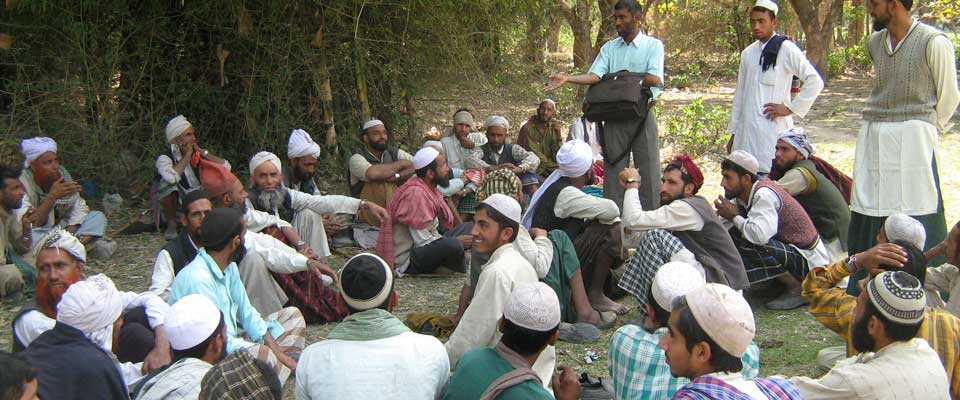
Peer learning can keep the work active after the training ends. Youth groups can meet regularly to review new information, check public responses, and support members who are producing content. Collaboration with elders, women’s groups, pastoral households, local leaders, and allied NGOs ensures that digital campaigns reflect wider community priorities.
Practical habits for safer campaigns
The strongest youth-led campaigns are accurate, respectful, and connected to offline organizing. Before publishing, participants should review whether the message is necessary, whether the evidence is reliable, and whether the people represented have approved its use.
SOPHIA can help create a shared culture of responsible communication through mentoring, government engagement, and partnerships with rights-based organizations. Useful habits include:
- Define one specific land, forest, or livelihood demand for each campaign.
- Obtain informed consent before recording or publishing personal stories.
- Keep original documents and evidence in secure, backed-up locations.
- Use accessible language, captions, translations, and clear visual explanations.
- Track official responses and bring unresolved issues back to community meetings.
Young people bring energy, creativity, and familiarity with digital communication to rights work. With guidance and community accountability, these strengths can help make local concerns visible while protecting dignity, safety, and cultural autonomy.
SOPHIA’s work offers a practical route for turning digital skills into collective advocacy. Support youth workshops, share community knowledge responsibly, and connect young advocates with initiatives defending forest access, domicile rights, pastoral livelihoods, and indigenous identity across the Himalayan region.