






How Buffalo Husbandry Sustains Himalayan Livelihoods
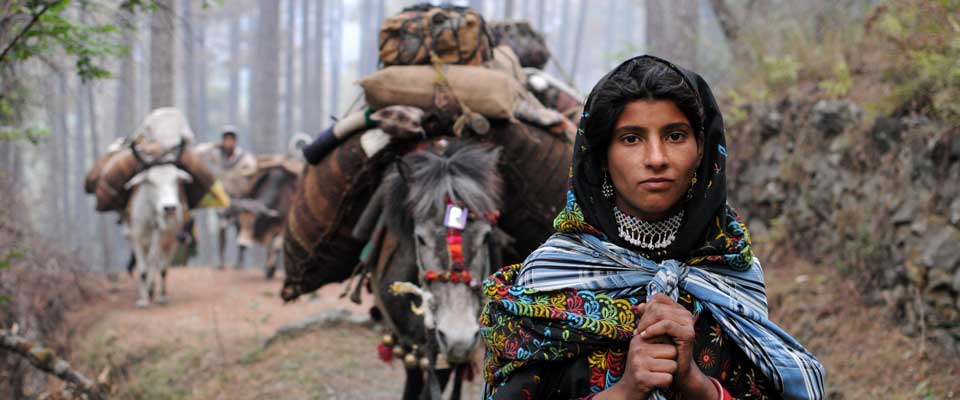
Across the Himalayan foothills, buffalo husbandry is closely connected to household security, food traditions, and community identity. For Van Gujjar pastoralists and village families, buffaloes provide milk, manure, income, and a practical way to use forest-edge and highland resources.
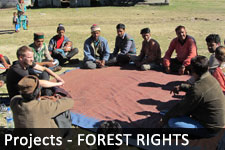
This livelihood depends on knowledge passed through generations. Families understand grazing routes, fodder plants, animal health, seasonal weather, and the careful balance between livestock and fragile mountain ecosystems. Their work also reflects wider struggles for forest rights, domicile rights, and recognition of indigenous livelihoods.
Organizations such as SOPHIA support these communities through rights-based development, social mobilization, advocacy, and engagement with government institutions. Strengthening buffalo-based economies can help protect both household incomes and the cultural practices that sustain pastoral communities.
A Livelihood Built Around the Buffalo
Buffaloes are valuable because they support several aspects of rural life at once. Milk supplies nutrition for families and can be sold as fresh milk, curd, butter, ghee, or other products. Calves and adult animals also represent movable assets that can help households manage emergencies, education costs, or seasonal expenses.
Unlike a single-crop livelihood, livestock rearing can continue through changing agricultural conditions. Families may combine buffalo keeping with wage work, cultivation, forest-based activities, and small-scale trade. This diversity is especially important in mountain areas where steep land, limited irrigation, and difficult transport restrict farming opportunities.
Pastoral Knowledge And Seasonal Movement
Van Gujjar communities have traditionally followed seasonal migration patterns between forested foothills and higher grazing areas. Movement allows buffaloes to access different sources of grass, shrubs, and water throughout the year. It also reduces pressure on any single grazing area when routes and access remain secure.
This system requires detailed environmental knowledge. Pastoralists monitor animal condition, identify useful fodder, protect young calves, and respond to changes in rainfall or temperature. Their mobility is therefore an informed livelihood strategy rather than a sign of economic marginalization.
Milk Marketing Creates Local Value
Milk production can become a dependable source of cash when producers have access to fair markets, reliable collection systems, and suitable storage or transport. Local marketing also keeps value within the community instead of transferring most earnings to distant intermediaries.
| Livelihood element | Contribution to household resilience |
|---|---|
| Fresh buffalo milk | Regular nutrition and daily cash income |
| Ghee, curd, and butter | Longer shelf life and higher-value products |
| Manure | Soil fertility and reduced dependence on purchased inputs |
| Calves and livestock assets | Financial security during emergencies |
| Community milk collection | Stronger bargaining power and market access |
Improved milk marketing must be designed around local realities. Collection points, transparent pricing, animal health services, and access to appropriate technology can help families earn more without abandoning pastoral practices.
Forest Rights And Access To Grazing
Buffalo husbandry depends on access to pasture, water, and forest resources. When customary routes are restricted or communities lack secure recognition of their rights, animal health and household income can suffer. Families may be forced to travel farther, purchase expensive fodder, or reduce their herds.
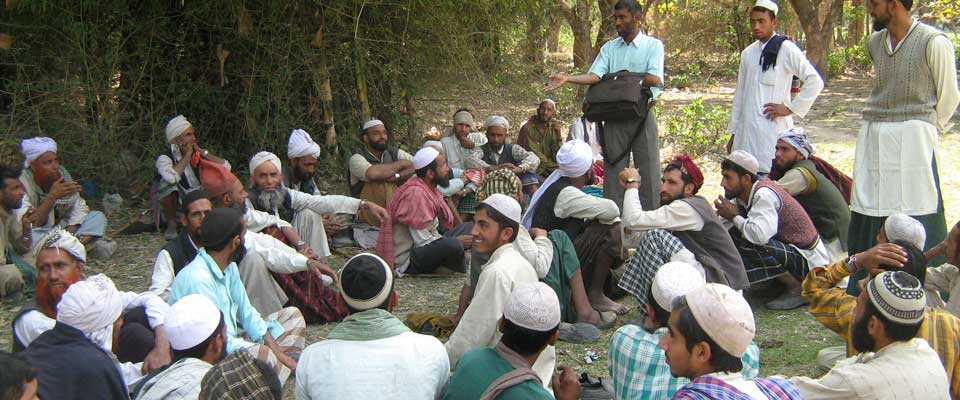
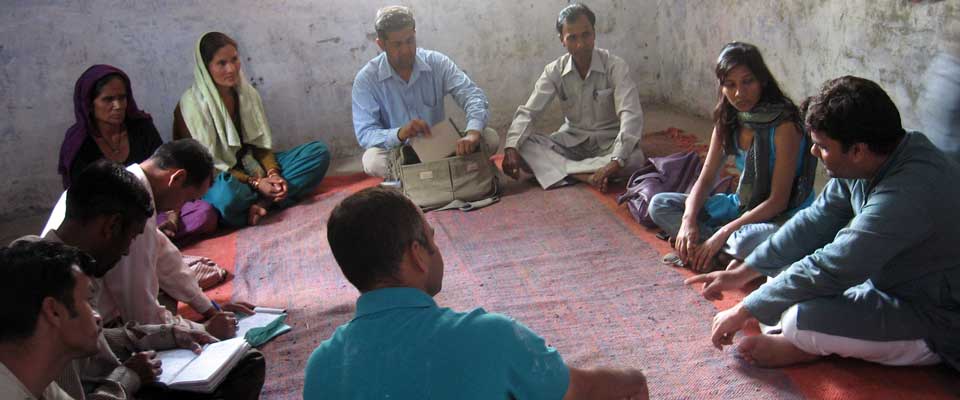
Rights-based support helps communities document their needs, participate in decision-making, and engage with public institutions. Forest and domicile rights are particularly important for indigenous groups whose seasonal residence and livelihood patterns do not always fit standard administrative categories.
Animal Health Supports Family Wellbeing
Healthy animals produce more milk and require fewer emergency expenses. Vaccination, timely veterinary care, clean water, balanced feed, and knowledge of common diseases can significantly improve buffalo productivity. Services are most effective when they reach remote settlements and seasonal grazing locations.
Women often play a central role in feeding animals, processing milk, caring for calves, and managing household dairy income. Training and community institutions that recognize their contribution can improve both livestock outcomes and family decision-making.
Caring For Land And Livestock Together
Sustainable buffalo rearing depends on maintaining the landscapes that support it. Responsible grazing, protection of water sources, careful use of fodder, and manure recycling can strengthen the relationship between livestock and local ecology. Community-led resource management is essential because residents hold practical knowledge about seasonal limits and environmental change.
Climate variability makes this balance increasingly important. Longer dry periods, changing snowfall, heat stress, and new disease risks can affect fodder availability and milk production. Local planning, resilient breeds, fodder cultivation, and accessible public services can help pastoral households adapt without losing their cultural and economic foundation.
Priorities For Stronger Community Livelihoods
- Secure recognition of forest, grazing, and domicile rights for pastoral and village communities.
- Expand accessible veterinary care, vaccination, fodder support, and clean-water facilities.
- Build fair milk collection and marketing systems with transparent prices.
- Support women’s cooperatives and local dairy processing enterprises.
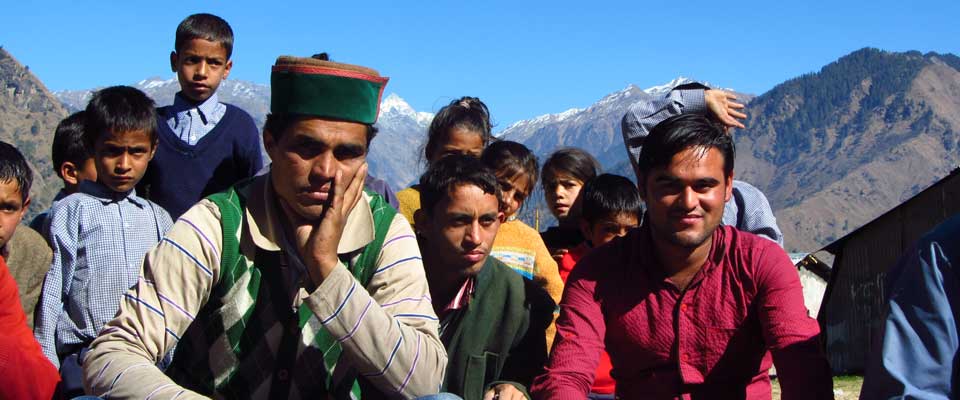
- Include Van Gujjar and Himalayan village representatives in development decisions.
Buffalo husbandry is a living connection between nutrition, income, culture, and environmental stewardship. Supporting it means investing in community knowledge and in the rights that make pastoral livelihoods possible. Learn more about SOPHIA’s work, engage with its community-focused projects, and help advance dignified, sustainable livelihoods across the Himalayan region.