





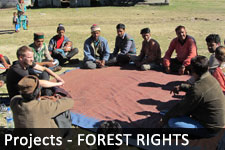

Traditional knowledge and sustainable pastoralism in the Himalayas
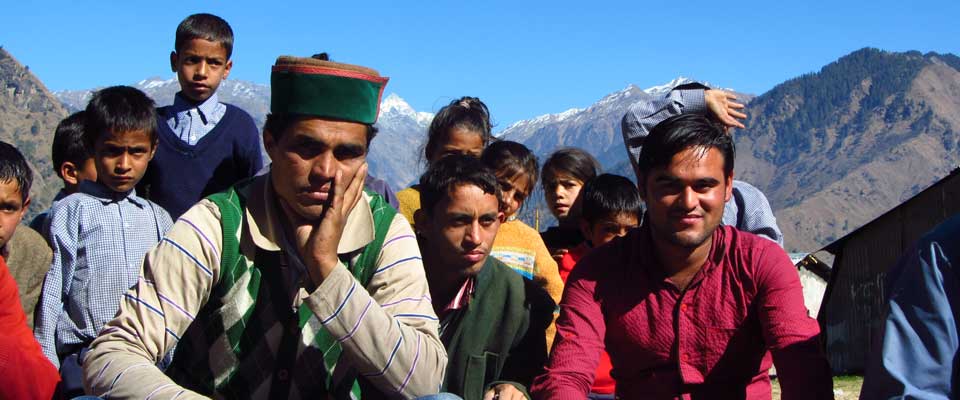
Across the Himalayan foothills, pastoral communities have developed ways of managing animals, grasslands, forests, and water through generations of observation and practice. Their knowledge is closely connected to seasonal cycles, local ecology, customary rights, and collective decision-making.
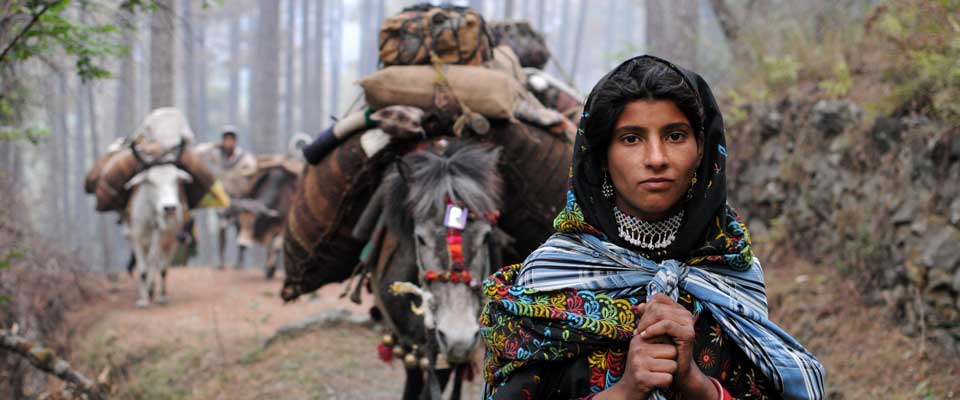
For Van Gujjar and Himalayan village communities, sustainable pastoralism is more than livestock keeping. It is a livelihood system that links buffalo husbandry, mobility, milk marketing, forest use, nutrition, and cultural identity. Traditional knowledge helps families respond to changing weather and landscapes while protecting the resources on which future generations depend.
Organizations such as SOPHIA support this work through rights-based projects, social mobilization, advocacy, and engagement with public institutions. Their community-centered approach recognizes local experience as an important foundation for conservation and rural development.
Knowledge shaped by place and seasons
Pastoral knowledge is built through direct contact with particular landscapes. Families know which forest routes provide suitable fodder, where water remains available during dry periods, and when different grasses and leaves are most nutritious. This understanding allows herders to move livestock according to ecological conditions rather than placing constant pressure on one area.
Seasonal migration also spreads grazing pressure across wider territories. When customary routes and forest access are secure, herders can follow established rhythms of movement between winter and summer habitats. These patterns support rangeland regeneration, reduce overgrazing, and help maintain the relationship between livestock, forests, and village agriculture.
Buffalo husbandry and household resilience
Traditional buffalo care includes selecting healthy animals, recognizing signs of illness, preparing locally available feed, and adapting shelters to changing temperatures. Herders often understand animal behavior well enough to identify stress, pregnancy, injury, or nutritional problems before these conditions become severe.
Milk is a central source of household income and nourishment. Local knowledge about milking routines, fodder combinations, breeding, and animal care can improve productivity without relying entirely on expensive external inputs. When combined with fair milk marketing and veterinary support, these practices strengthen livelihoods and reduce economic vulnerability.
| Traditional practice | Sustainability benefit | Support that can strengthen it |
|---|---|---|
| Seasonal grazing routes | Allows grasslands time to recover | Recognition of mobility and forest rights |
| Local fodder knowledge | Improves animal nutrition with fewer purchased inputs | Community fodder banks and pasture planning |
| Indigenous buffalo care | Supports animal health and household income | Accessible veterinary and breeding services |
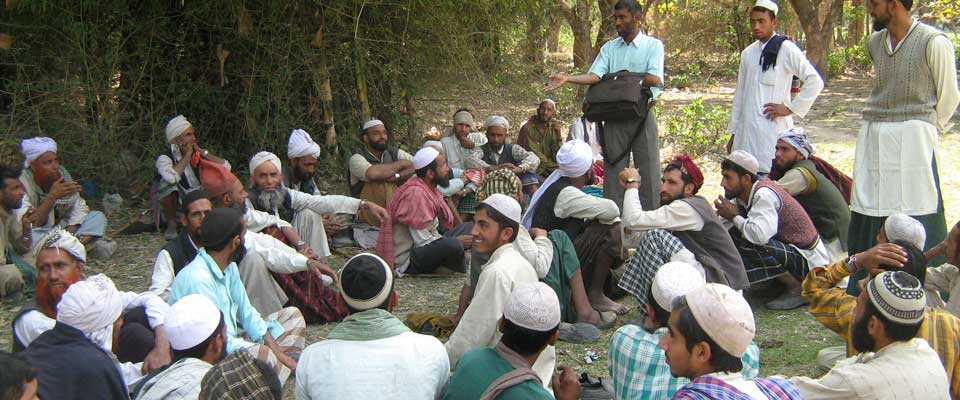
| Collective resource management | Encourages fair access to water and grazing | Village institutions and inclusive decision-making |
| Oral transmission of skills | Preserves ecological memory | Youth learning and community documentation |
Climate adaptation through local observation
Climate change is affecting snowfall, rainfall, pasture growth, disease patterns, and water availability across the Himalayas. Traditional indicators, such as changes in plant flowering, insect activity, soil moisture, and animal behavior, can help communities notice environmental shifts early.
This knowledge works best alongside weather forecasts, veterinary information, and practical adaptation funds. Combining local observation with scientific tools can improve decisions about migration timing, fodder storage, disease prevention, and emergency planning without dismissing community expertise.
Rights, mobility, and conservation
Pastoral sustainability depends on access to forests, grazing areas, water sources, and seasonal migration corridors. When communities lose these spaces through restricted access, land conversion, or unclear documentation, both livelihoods and ecological management suffer. Forest and domicile rights are therefore closely connected to environmental stewardship.
Recognizing indigenous rights gives communities a stronger role in decisions that affect their territories. Participatory forest management, transparent government engagement, and support for community institutions can protect biodiversity while respecting pastoral livelihoods. SOPHIA’s work reflects this connection between social justice, legal recognition, and sustainable resource use.
Passing knowledge to the next generation
Traditional skills are often shared through daily work rather than formal classrooms. Children learn to identify fodder plants, care for buffalo, navigate routes, and understand local weather by accompanying elders. Migration, schooling pressures, changing employment, and limited livelihood opportunities can weaken this transmission.
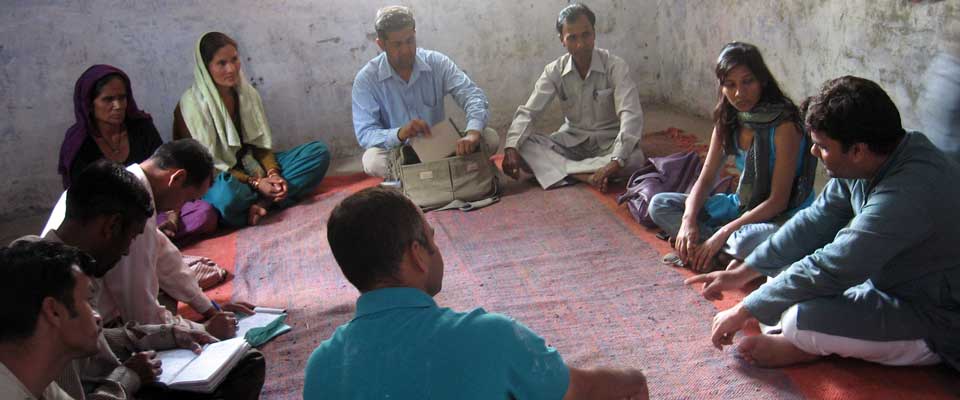
Community documentation, intergenerational learning sessions, and locally relevant education can help keep this knowledge active. It is important to record practices with the consent of knowledge holders and ensure that communities retain control over how their cultural and ecological information is used. The voices of communities supported by SOPHIA show why lived experience should remain central to development work.
Ways to strengthen pastoral sustainability
Effective support should build on what communities already know while addressing gaps in services, rights, and market access. Useful priorities include:
- Secure forest, domicile, grazing, and migration rights through inclusive legal and administrative processes.
- Improve veterinary care, vaccination, fodder access, and buffalo breeding services in remote settlements.
- Develop fair milk collection and marketing systems that provide reliable returns to producers.
- Support community-led mapping of seasonal routes, water sources, pastures, and ecological risks.
- Create opportunities for young people to learn pastoral skills alongside formal education and new technologies.
Partnerships between pastoral groups, local governments, research institutions, and civil society organizations can make these measures practical and accountable. The strongest programs treat herders as decision-makers, not merely beneficiaries, and measure success through livelihood security, healthy landscapes, and community control.
Traditional knowledge offers a tested foundation for sustainable pastoralism, but it needs recognition, rights protection, and appropriate investment. Support SOPHIA’s efforts by sharing its work, engaging with its community-focused programs, and building partnerships that help Van Gujjar and Himalayan communities protect their livelihoods and landscapes.