






The Art of Making Traditional Van Gujjar Cheese
For Van Gujjar communities, buffalo milk is more than a food ingredient. It supports household nutrition, seasonal mobility, cultural identity, and income from livestock. Traditional cheese-making transforms fresh milk into a durable, nourishing product suited to life in the Himalayan foothills and forest landscapes.
The process is simple in appearance but depends on close observation. Milk temperature, curd strength, draining time, salt, weather, and the condition of the utensils can all change the final taste. Knowledge is often passed through families by demonstration rather than written instruction.
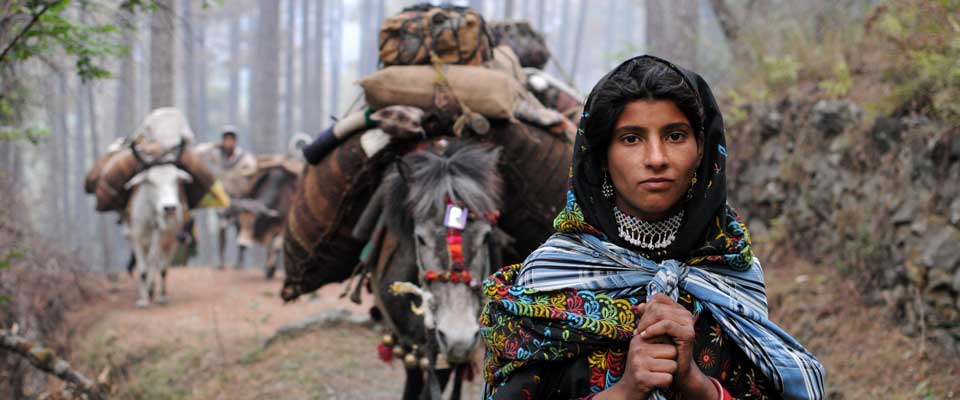
This craft also reflects the deep relationship between people, animals, and land. The buffalo’s cultural role helps explain why dairy practices carry social meaning alongside practical value.
Milk and Meaning
Traditional Van Gujjar cheese generally begins with rich buffalo milk collected after milking. Buffalo milk has a high fat and solids content, giving the cheese a creamy body and a fuller flavor than many cheeses made from low-fat milk. Freshness matters: milk processed soon after milking produces a cleaner taste and more reliable curd.
The animals’ health, feed, and movement through seasonal grazing areas influence the milk. Grasses, forest fodder, clean water, and careful buffalo husbandry all contribute to its quality. Cheese-making therefore begins long before the milk reaches the cooking vessel.
From Buffalo Milk to Curd
The milk is first strained through a clean cloth or fine sieve to remove visible impurities. It is then gently heated in a clean pot. Depending on household practice, curdling may be encouraged with soured milk, buttermilk, lemon juice, or another acidic ingredient. The choice affects the aroma, firmness, and slight tang of the cheese.
As the milk separates, white curds gather and a pale whey remains. The mixture should not be stirred aggressively, since rough handling can break the curds into small grains. Once the separation is clear, the curds are lifted into clean muslin or cotton cloth and allowed to drain.
Shaping Flavor
Draining is one of the most important stages. A short draining period creates a soft, moist cheese suitable for immediate meals. Longer pressing removes more whey and produces a firmer cake that can be sliced, crumbled, fried, or added to vegetables and grains.
Salt may be mixed into the curd or rubbed over the outside. In some households, the cheese is eaten fresh, while in others it is pressed into compact portions for later use. The flavor is mild, milky, and lightly sour, with buffalo creaminess becoming stronger as moisture decreases.
Clean hands, vessels, cloths, and storage surfaces are essential. Traditional methods can be preserved while maintaining basic food safety: use fresh milk, avoid contaminated water, protect the cheese from insects, and refrigerate it when possible. Soft fresh cheese is perishable and should not be kept at room temperature for extended periods.
Reading Texture and Quality
Experienced makers judge the cheese with their eyes, hands, and sense of smell. These observations help identify whether the curd has separated correctly and whether it is ready for pressing or serving.
| Stage | Appearance | Texture | Best Use |
|---|---|---|---|
| Fresh curd | White, moist pieces | Tender and delicate | Eating warm or mixing into dishes |
| Lightly drained | Smooth and soft | Creamy, easy to crumble | Flatbreads, vegetables, and lentils |
| Firmly pressed | Compact, even surface | Sliceable and resilient | Frying, grilling, or packed meals |
| Overly dry | Dull or cracked surface | Hard and crumbly | Crumbling into cooked foods |
A pleasant dairy aroma is a good sign. Strong bitterness, unusual discoloration, excessive sliminess, or a sharp unpleasant smell indicates that the cheese should not be consumed. These simple sensory checks complement careful hygiene and appropriate storage.
Seasonal Knowledge and Livelihoods
Cheese-making fits the rhythms of pastoral life. During periods of plentiful milk, converting some of it into a firmer product can reduce waste and create food that is easier to transport. It may also provide a small opportunity for household income when sold locally or exchanged within the community.
The craft carries knowledge about animal care, fuel use, containers, weather, and local diets. Women often play a central role in milking, processing, household food management, and informal marketing, although responsibilities vary between families. Recognizing this labor is important when supporting dairy-based livelihoods.
Projects that document recipes or improve market access should protect community ownership of knowledge. Training in sanitation, packaging, pricing, and cold storage can strengthen income without replacing local methods. Fair partnerships should value both the finished product and the expertise behind it.
Practical Recommendations
- Begin with fresh buffalo milk from healthy animals and strain it before heating.
- Use clean, food-safe vessels and freshly washed cloths at every stage.
- Record household variations in acid, draining time, salt, and pressing so results can be repeated.
- Keep fresh cheese cool and sell or consume it quickly.
- Build local branding around Van Gujjar identity, pastoral knowledge, and responsible buffalo husbandry.
Traditional cheese is a small food with a wide story. It connects milk production to forest livelihoods, family knowledge, nutrition, and community resilience. Supporting Van Gujjar dairy producers means respecting the techniques they already hold while creating safe, dignified ways to share their products. SOPHIA’s work with indigenous communities offers a meaningful platform for learning from these traditions and helping their value reach wider audiences.