




Women Leaders Strengthening Van Gujjar Communities
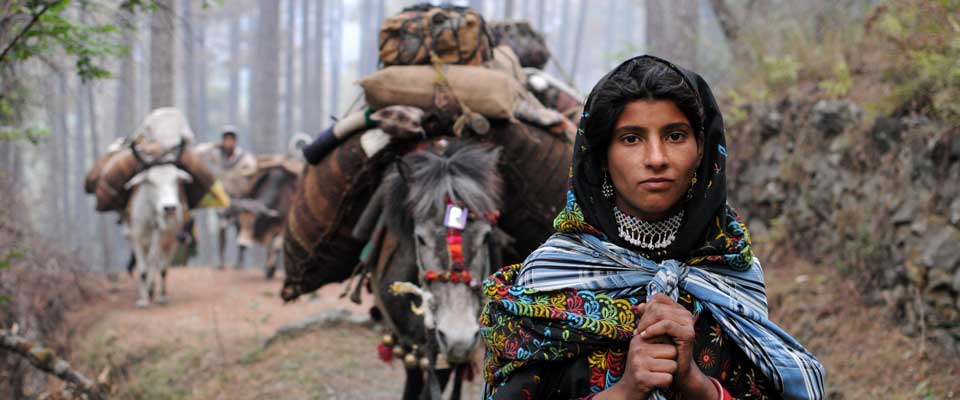
Across the Himalayan foothills, Van Gujjar families have developed ways of life closely connected to forests, seasonal migration, buffalo husbandry, and pastoral livelihoods. Women sustain much of this daily work while preserving knowledge that helps families adapt to changing weather, forest regulations, market conditions, and access to public services.
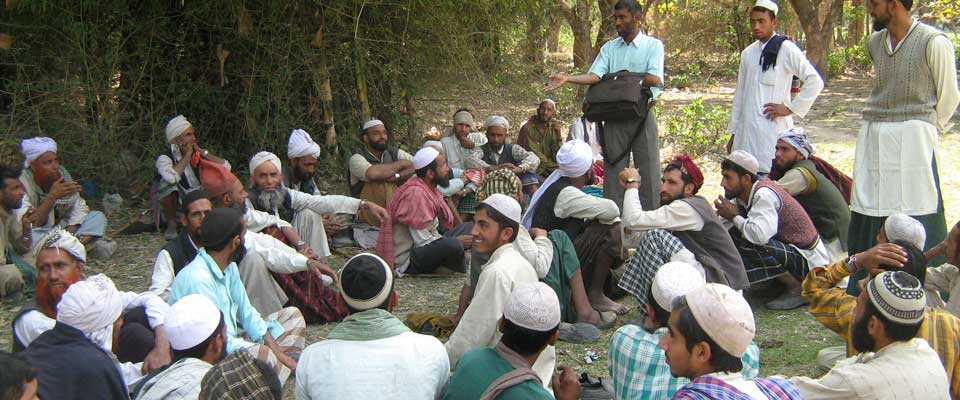
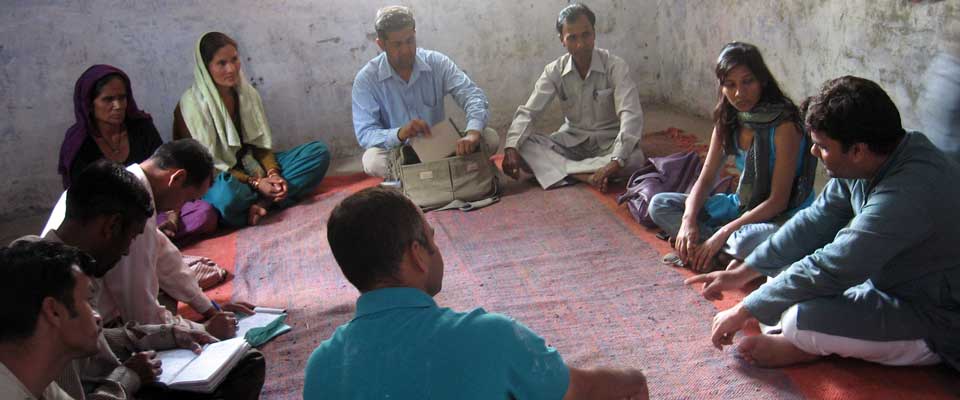
Women leaders in the Van Gujjar community are building on this knowledge to support collective action. Their leadership may be visible in a village meeting, a milk collection effort, a school discussion, or a conversation with government officials. Each role contributes to stronger communities and greater recognition of indigenous rights.
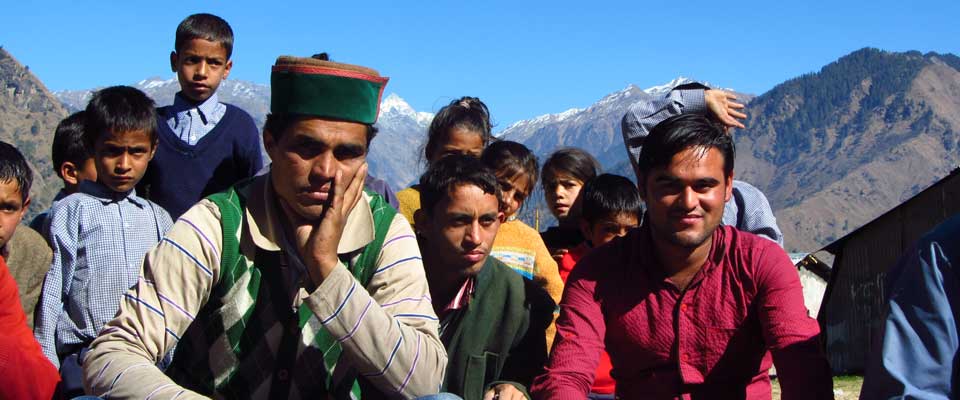
SOPHIA works with Van Gujjar and Himalayan village communities in Uttarakhand, Himachal Pradesh, and Uttar Pradesh. Through rights-based projects, social mobilization, advocacy, and partnerships, the organization supports women who are helping their communities claim a more secure and dignified future.
Knowledge Passed Through Generations
Van Gujjar women often hold detailed knowledge of animal care, fodder, seasonal routes, household nutrition, traditional remedies, and local forest conditions. This practical expertise supports the well-being of families and buffalo herds during migration and settlement.
Their knowledge is also important for sustainable pastoralism. Women can identify changes in pasture quality, animal health, and water availability before these issues become severe. Recognizing this expertise strengthens community planning and gives greater value to work that is frequently unpaid or overlooked.
Leadership In Everyday Community Life
Leadership does not always carry an official title. A woman who organizes neighbors, shares information about documents, helps another family access a service, or speaks during a community meeting is contributing to local decision-making.
Women’s participation can improve discussions about forest access, domicile rights, education, healthcare, sanitation, and livelihood security. When several women act together, their concerns gain greater visibility and community priorities can be communicated more clearly to local institutions.
From Household Work To Collective Voice
Milk marketing offers an important space for women’s economic participation. Women are often closely involved in milking, feeding buffaloes, maintaining hygiene, and managing household dairy activities. Better access to fair markets and reliable collection systems can help ensure that this labor contributes to household income.
Collective approaches can make a difference. Women’s groups may share information about prices, coordinate transport, discuss animal health, or seek improved links with buyers. These efforts can support household resilience while strengthening women’s confidence in financial and community decisions.
| Area of leadership | Community contribution | Supportive action |
|---|---|---|
| Buffalo husbandry | Healthier animals and more reliable milk production | Training, veterinary access, and peer learning |
| Forest and domicile rights | Stronger participation in rights discussions | Legal awareness and documentation support |
| Milk marketing | Improved bargaining power and income security | Collective collection and market connections |
| Social mobilization | Wider participation in community decisions | Women’s groups and local dialogue |
| Youth and education | Greater awareness of opportunities and rights | Mentoring, information sharing, and advocacy |
Rights, Recognition, And Representation
Access to rights depends on awareness, documentation, public engagement, and the ability to approach institutions. Women leaders can help families understand procedures and organize around shared concerns related to forest rights, domicile status, identity documents, and essential services.
Representation matters because policies affecting pastoral and indigenous communities should reflect lived realities. Women bring direct experience of water collection, childcare, animal care, migration, food security, and the challenges of accessing services. Their voices help make advocacy more grounded and inclusive.
Building Confidence Through Solidarity
Community empowerment grows when women have safe spaces to meet, exchange experiences, and practice leadership. Group discussions can help participants identify common problems, plan action, and support one another when facing administrative or social barriers.
SOPHIA’s community-based approach can connect women’s local experience with training, advocacy, and government engagement. Partnerships with other civil society organizations may expand access to information and create wider platforms for Van Gujjar women to be heard.
Ways To Support Women’s Community Leadership
- Include women in planning, monitoring, and decision-making for pastoral and forest-related projects.
- Support women-led groups focused on buffalo care, milk marketing, and household livelihoods.
- Create accessible information about rights, documentation, public services, and government schemes.
- Invest in leadership training that respects local language, culture, mobility, and seasonal migration.
- Share community stories responsibly so women’s contributions receive wider recognition.
A Future Shaped By Women
The strength of Van Gujjar communities depends on the knowledge, labor, and leadership of their women. Supporting that leadership means valuing pastoral expertise, improving access to rights, and creating meaningful opportunities for women to influence decisions that affect their families and environment.
SOPHIA invites individuals, institutions, and partner organizations to stand with Van Gujjar and Himalayan village communities. Learn about its projects, support rights-based community work, share credible information, and help create pathways for women leaders to shape sustainable livelihoods and a more secure future.