




SOPHIA’s work with Himalayan village women’s self-help groups
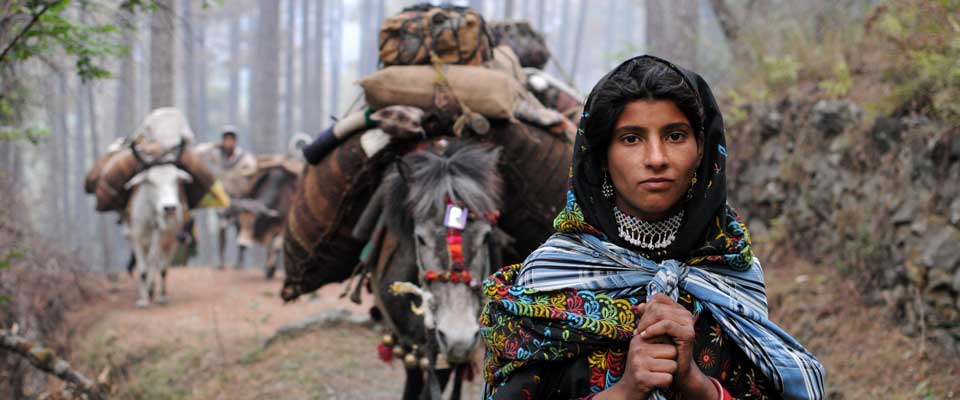
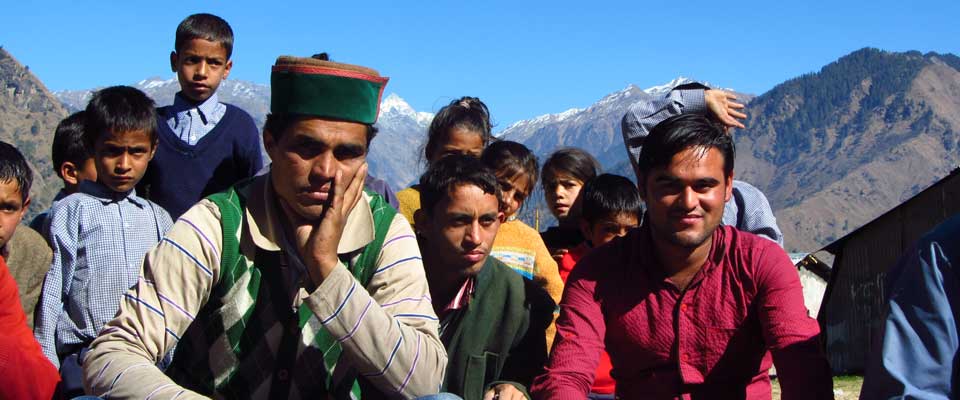
Across the Himalayan foothills, women sustain households, livestock, food systems, and community networks while managing difficult access to markets, public services, and formal finance. For Van Gujjar and Himalayan village communities, women’s knowledge is central to pastoral livelihoods and local resilience.
SOPHIA supports women’s collective action through community empowerment, rights-based development, social mobilization, and engagement with government institutions. Women’s self-help groups create a practical space where members can save together, discuss shared concerns, strengthen livelihoods, and build confidence in public decision-making.
These groups are especially important in communities affected by seasonal migration, changing forest access, and economic uncertainty. Their strength comes from local leadership and cooperation rather than from a one-size-fits-all development model.
Building collective confidence and leadership
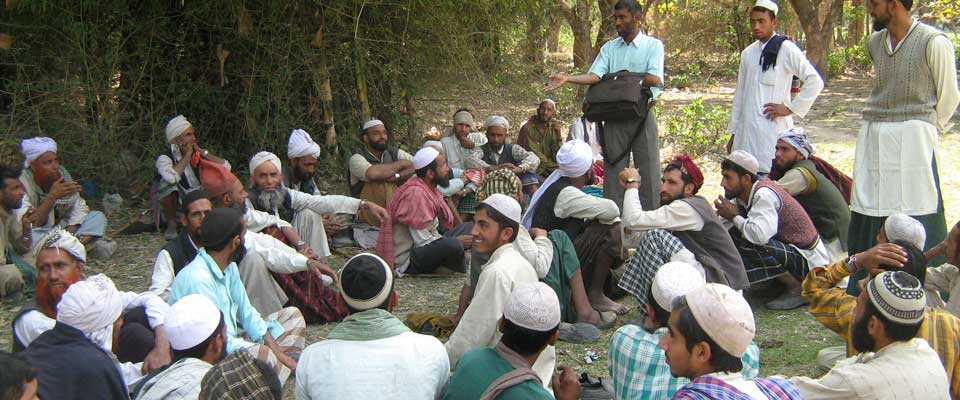
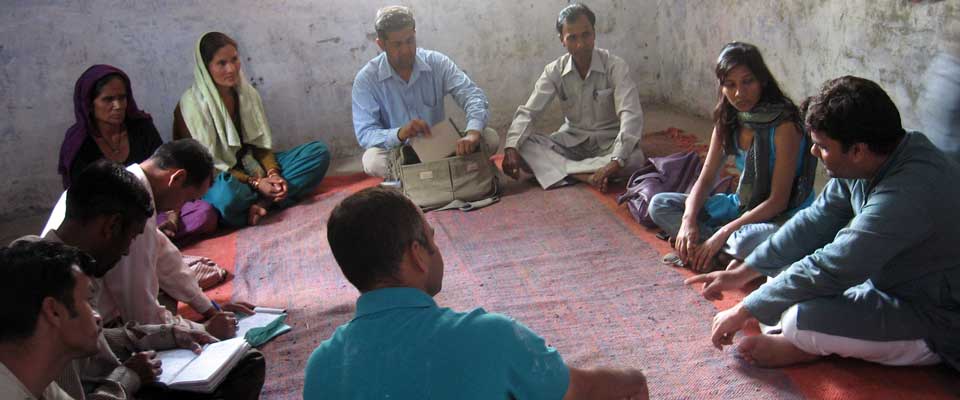
A self-help group brings women together around regular meetings, shared savings, and common priorities. Over time, this routine can help members speak more openly, understand available schemes, and participate in discussions that affect land, forests, education, health, and household income.
For women in remote settlements, collective organization can reduce isolation. A group may become a trusted place to exchange information, identify urgent needs, and encourage members to approach local authorities. SOPHIA’s community-based approach helps connect this local confidence with broader rights advocacy and institutional engagement.
Strengthening household and pastoral livelihoods
Women contribute substantially to buffalo husbandry, milk handling, fodder collection, food preparation, and the care of children and older family members. Self-help groups can support better coordination around these responsibilities while opening pathways to savings, small enterprise, and improved milk marketing.
Group discussions may also help women assess costs, risks, and opportunities before investing in livelihood activities. Training, peer learning, and links with relevant departments can make it easier to consider animal health, clean milk practices, fodder security, and value addition without separating these concerns from the realities of pastoral life.
Responding to environmental and economic change
Climate variability affects water availability, pasture conditions, animal health, and seasonal mobility. These pressures can increase women’s workload and make household planning more difficult. Discussions about climate pressures are therefore closely connected to women’s economic security and community decision-making.
Women’s groups can contribute local observations about changing seasons, forest resources, livestock conditions, and food needs. Their experience helps ensure that resilience planning reflects daily realities rather than relying only on outside assessments.
| Area of group action | Potential value for women and communities |
|---|---|
| Savings and internal lending | Greater financial flexibility for household needs and small investments |
| Livestock and dairy activities | Improved knowledge, cooperation, and opportunities for milk income |
| Rights awareness | Stronger understanding of forest, domicile, welfare, and civic rights |
| Government engagement | Better access to schemes, services, and public institutions |
| Peer support | Shared solutions for care work, mobility, and livelihood risks |
Connecting women with rights and public services
Economic empowerment is closely linked with rights. Women need secure access to identity documents, welfare programs, health services, education, and local governance if they are to make lasting livelihood gains. A self-help group can help members share information and approach service providers collectively.
For communities whose lives are connected to forests and seasonal movement, rights-based work is particularly significant. SOPHIA’s engagement with forest and domicile rights creates opportunities for women’s experiences to inform advocacy and government dialogue. Their participation can make community demands more visible and grounded in everyday realities.
Creating space for local knowledge
Women possess detailed knowledge of fodder plants, milk processing, household nutrition, animal care, water sources, and seasonal changes. When this knowledge is recognized in group meetings and project activities, women become contributors to community planning rather than passive recipients of assistance.
Local knowledge also supports culturally appropriate solutions. Group members can evaluate which ideas fit their working patterns, migration cycles, and available resources. This approach respects indigenous practices while creating room for useful innovations in livelihoods, health, and environmental stewardship.
Practical ways to support women’s collective action
Partnerships can strengthen self-help groups when they respect local priorities and invest in long-term relationships. Supporters, institutions, and community allies can contribute by:
- Supporting regular group meetings, leadership development, and financial literacy.
- Expanding access to livestock care, dairy skills, markets, and appropriate technologies.
- Including women in forest, pastoral, climate, and village development planning.
- Connecting groups with government departments, legal resources, and social protection schemes.
- Sharing community-led experiences through responsible media, research, and advocacy.
SOPHIA’s work offers a model in which women’s economic activities, social participation, and rights are treated as connected. Stronger self-help groups can improve household resilience while building a wider base for community-led change.
Support this work by learning about SOPHIA’s projects, sharing its community perspectives, building responsible partnerships, or contributing resources that help Himalayan women organize, lead, and secure sustainable livelihoods.