




Partnerships That Work: SOPHIA and Local NGOs in Uttar Pradesh
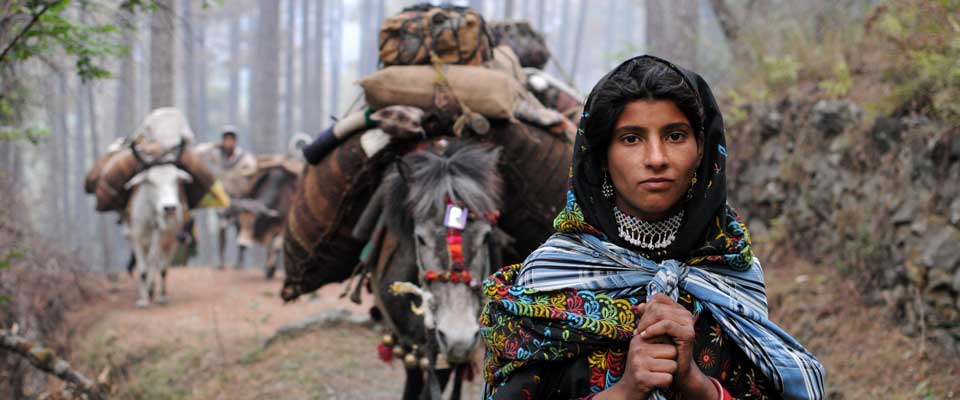
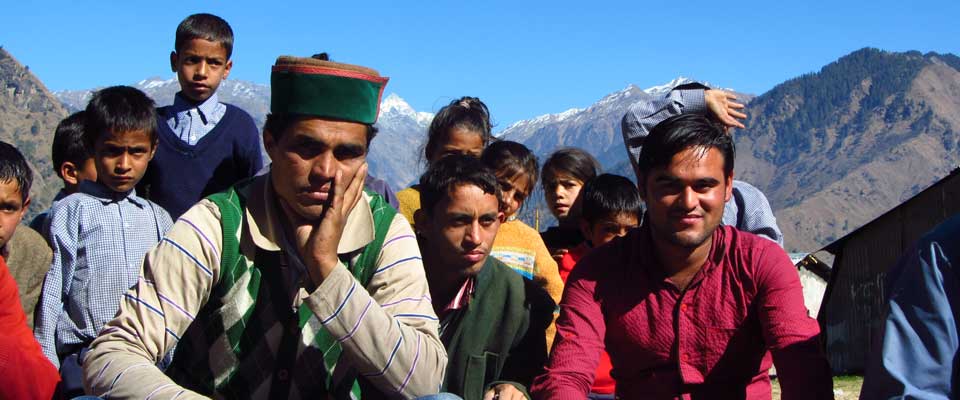
In Uttar Pradesh, effective community development begins with trust, local knowledge, and respect for the decisions of indigenous and pastoral communities. SOPHIA’s work with Van Gujjar families and Himalayan village communities is strengthened when local NGOs contribute their relationships, field experience, and understanding of regional realities.
Partnerships can connect rights-based advocacy with practical support for forest access, domicile recognition, buffalo husbandry, education, and milk marketing. They can also help communities engage with government offices without losing control over their priorities or cultural identity.
For SOPHIA, collaboration is a way to build shared capacity rather than deliver short-term services. Local organizations bring proximity and continuity, while SOPHIA contributes experience in social mobilization, documentation, policy engagement, and sustainable pastoral livelihoods.
Building Trust Through Local Presence
Local NGOs often have long-standing relationships with village leaders, women’s groups, youth, and pastoral households. Their presence makes it easier to understand community concerns before designing activities. This is especially important for Van Gujjar families whose seasonal movement, forest dependence, and access to public services may not fit standard development programmes.
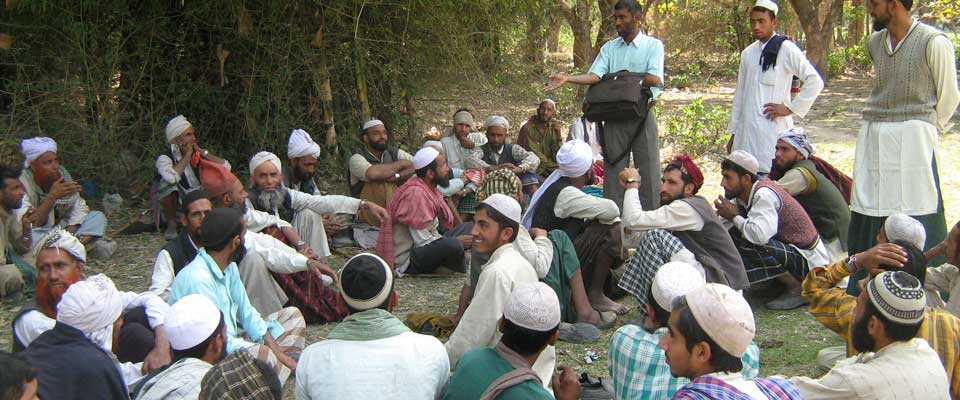
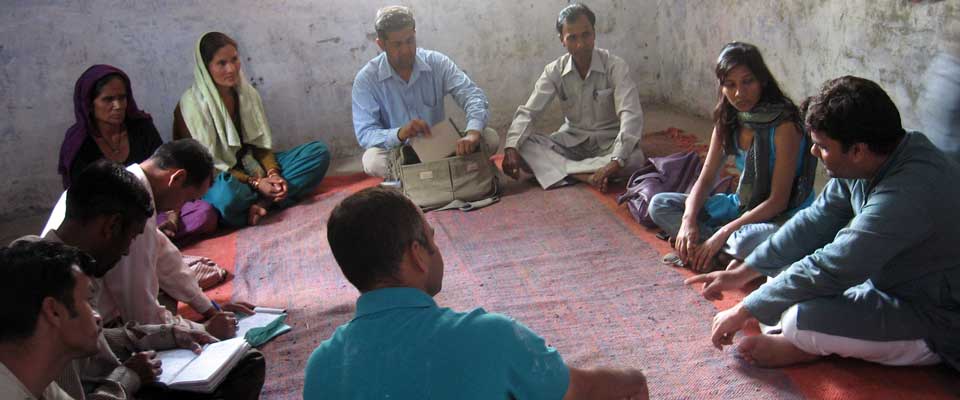
SOPHIA can work with these organizations through listening meetings, community consultations, and joint field visits. Such approaches allow partners to identify practical barriers, including missing documents, limited information about welfare schemes, insecure grazing access, and weak connections to milk markets.
Trust also depends on transparency. Communities should know what a partnership aims to achieve, how information will be used, and who will represent their interests. Clear communication helps prevent outside organizations from speaking for communities without their participation.
Linking Rights With Livelihoods
A strong partnership connects legal rights with household income and everyday security. Forest and domicile rights matter greatly, but families also need healthy buffaloes, veterinary support, fair milk prices, and reliable access to markets. Local NGOs can help identify these needs and coordinate responses with SOPHIA’s wider programme experience.
For pastoral communities, seasonal movement must be understood as a livelihood system rather than a sign of instability. Research and community mapping can support better advocacy, particularly when routes cross administrative boundaries. SOPHIA’s work on seasonal migration routes illustrates why locally grounded evidence is valuable for planning and rights protection.
Partnerships may also support training in animal care, fodder planning, clean milk handling, and cooperative marketing. These activities become more effective when they are shaped by the knowledge of buffalo-rearing families and adapted to local seasons.
A Practical Partnership Model
Collaboration works best when each organization has a clear role and communities remain central to decision-making. The following model shows how complementary strengths can support durable outcomes.
| Partnership Area | SOPHIA’s Contribution | Local NGO Contribution | Community Benefit |
|---|---|---|---|
| Rights awareness | Advocacy tools and legal knowledge | Local outreach and translation | Better access to entitlements |
| Forest and domicile rights | Documentation and government engagement | Case identification and follow-up | Stronger recognition of claims |
| Buffalo husbandry | Technical coordination and training links | Regular household contact | Healthier animals and improved income |
| Milk marketing | Market analysis and partnership building | Producer mobilization | Fairer prices and stronger bargaining |
| Community leadership | Rights-based methods | Local facilitation | Greater participation by women and youth |
This division of responsibilities avoids duplication and makes progress easier to monitor. It also gives local NGOs space to adapt activities to village conditions instead of applying a uniform programme across Uttar Pradesh.
Strengthening Government Engagement
Local NGOs can help communities prepare applications, collect records, and follow up with panchayats, forest departments, veterinary offices, and district authorities. SOPHIA can add value by bringing evidence from several communities into broader advocacy and policy discussions.
Joint engagement should focus on constructive accountability. Meetings with officials are more productive when organizations present community priorities, documented cases, and practical solutions. Regular communication can also reduce misunderstandings about pastoral mobility and the legal status of forest-dependent families.
Partnerships are especially useful when a community issue involves more than one department. For example, improving milk income may require veterinary services, transport, producer organization, financial access, and local market support. Coordinated advocacy can connect these responsibilities.
Measuring What Matters
A partnership should be assessed through changes that communities recognize as meaningful. The number of meetings held is useful, but it does not show whether families gained documents, improved animal health, received fairer prices, or felt more confident speaking with authorities.
SOPHIA and local NGOs can develop simple monitoring systems based on community feedback. Periodic reviews may track rights claims, participation by women and youth, household livelihood changes, and the quality of government responses. Data should be collected ethically and returned to communities in accessible formats.
Useful indicators include:
- Community members participating in planning and review
- Forest or domicile rights cases documented and advanced
- Buffalo health, milk production, and market access improving
- Women and young people taking visible leadership roles
- Government commitments followed by measurable action
Keeping Collaboration Accountable
Successful partnerships require shared values, realistic planning, and respect for local leadership. Organizations should agree on decision-making procedures, financial responsibilities, safeguarding standards, and methods for resolving disagreements before activities begin.
SOPHIA’s rights-based approach can help ensure that development work supports dignity, self-representation, and long-term community power. Local NGOs, in turn, can keep programmes grounded in the language, relationships, and rhythms of the communities they serve.
The strongest collaborations are built over time. They learn from field experience, recognize community knowledge as expertise, and adjust activities when conditions change. This makes partnership a living process rather than a one-time project arrangement.
Join Community-Led Work
Organizations, researchers, supporters, and responsible institutions can contribute by respecting community priorities and investing in locally led solutions. Partnership may involve field coordination, technical knowledge, documentation, advocacy, training, or support for sustainable pastoral enterprises.
SOPHIA welcomes engagement that strengthens indigenous rights, protects pastoral livelihoods, and expands opportunities for Van Gujjar and Himalayan village communities. Explore the organization’s work, connect through its engagement channels, and help build partnerships rooted in participation, accountability, and lasting local benefit.