



Building forest rights through partnership and trust
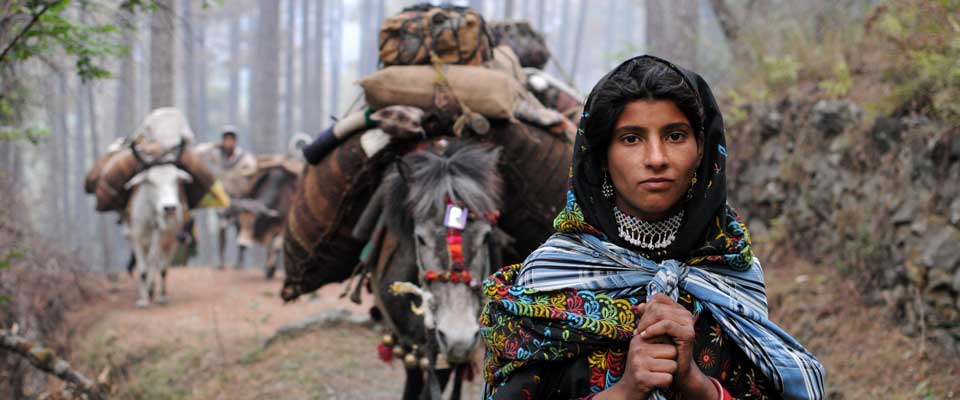
For Van Gujjar and Himalayan village communities, forests are homes, grazing grounds, sources of fodder, and foundations of cultural identity. Recognising these connections requires more than a formal application. It calls for patient dialogue, reliable documentation, and institutions willing to understand how pastoral families use and protect shared landscapes.
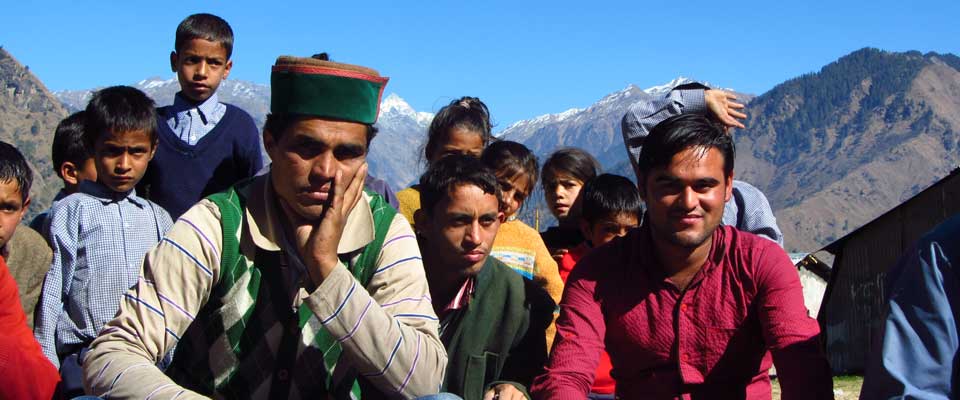
SOPHIA works with communities in Uttarakhand, Himachal Pradesh, and Uttar Pradesh to advance forest rights, domicile rights, sustainable livelihoods, and buffalo husbandry. Its partnership with the Forest Department on rights recognition helps connect community knowledge with administrative processes while keeping local people at the centre of decision-making.
This approach is especially important for Van Gujjars, whose seasonal movement and customary access to forests are often poorly represented in official records. Their relationship with the wider Himalayan region reflects a pastoral connection shaped by mobility, ecology, and generations of knowledge.
Why rights recognition matters
Forest rights recognition can provide legal security for communities that have historically depended on forests for grazing, fodder, water, fuel, and non-timber forest produce. For pastoral households, recognition may also protect seasonal routes and customary access that do not fit neatly into permanent settlement records.
The process has practical consequences. When rights are documented, families can plan their livelihoods with greater confidence, invest in livestock care, and engage with public services without fear of displacement or arbitrary restriction. Recognition also strengthens community responsibility for conserving forest resources.
A bridge between communities and institutions
The Forest Department holds important responsibilities related to forest management, protection, and access. SOPHIA’s role is to help create constructive engagement between officials and communities, ensuring that local testimony and customary practices are heard during rights-related discussions.
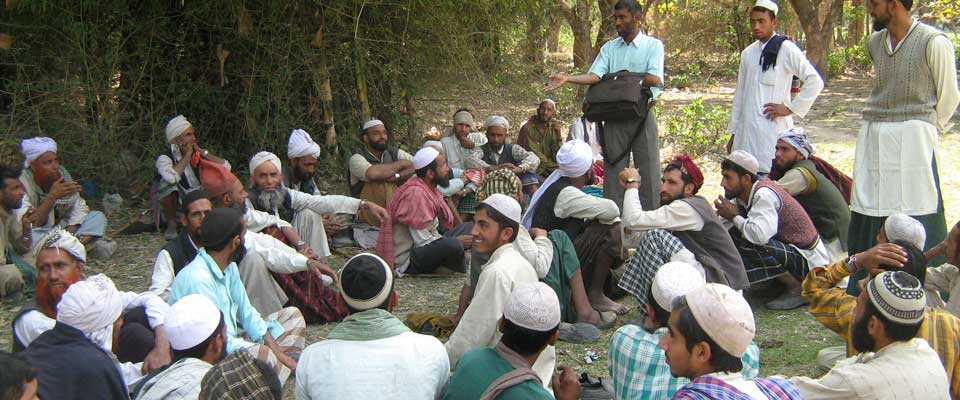
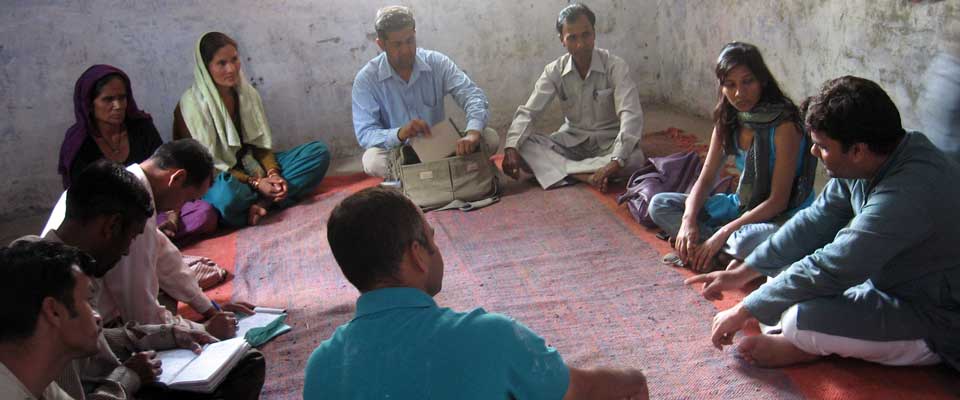
This partnership is based on communication rather than confrontation alone. Community meetings, field visits, social mapping, and review of historical evidence can help clarify how forests are used. Regular dialogue also gives officials an opportunity to understand seasonal pastoral systems that may not be visible in conventional administrative files.
Making local knowledge part of the record
Many Van Gujjar families hold detailed knowledge of grazing areas, migration routes, water sources, buffalo care, and forest conditions. SOPHIA supports communities in organising this knowledge so it can contribute to claims under the Forest Rights Act and other relevant rights frameworks.
Documentation may include household histories, community maps, testimonies, land-use information, and records of traditional access. Such evidence does not replace legal procedures; it makes those procedures more accurate and grounded in lived reality.
| Partnership activity | Community value | Institutional benefit |
|---|---|---|
| Participatory mapping | Records grazing routes, water points, and customary areas | Improves understanding of actual forest use |
| Community meetings | Builds shared priorities and collective confidence | Creates a clearer channel for communication |
| Claim preparation | Organises testimony and supporting evidence | Makes review more consistent and informed |
| Field-level dialogue | Addresses misunderstandings early | Supports practical forest governance |
| Follow-up and advocacy | Tracks decisions and unresolved claims | Encourages accountability and coordination |
Supporting fair and transparent claims
Rights recognition can be difficult when families lack written documents, when boundaries are disputed, or when seasonal movement is misunderstood. SOPHIA helps communities navigate these barriers by explaining procedures, supporting collective applications, and encouraging transparent review of claims.
A fair process should include accessible information, respect for Gram Sabha institutions, and opportunities to correct incomplete or inaccurate records. It should also recognise that women, elders, and livestock keepers may hold essential knowledge about household and community use of forest areas.
Linking legal rights with livelihoods
Legal recognition is strongest when it improves everyday livelihood security. SOPHIA connects forest rights work with buffalo husbandry, milk marketing, fodder planning, and sustainable pastoral practices. This broader approach helps families benefit from their rights while reducing pressure on fragile ecosystems.
Better livestock care, improved access to veterinary support, and stronger milk value chains can increase household income without forcing communities to abandon pastoralism. Community-led forest stewardship can also support regeneration, protect water sources, and maintain the ecological balance on which both people and animals depend.
Building accountable forest governance
Partnership does not mean that every concern is resolved immediately. It creates a framework for raising issues, sharing evidence, and finding solutions through continued engagement. Trust develops when commitments are recorded, meetings are followed up, and community voices influence decisions.
SOPHIA’s work demonstrates the value of rights-based collaboration in areas where conservation, administration, and livelihoods intersect. Forest protection is more durable when communities are treated as rights holders and partners with practical knowledge, rather than as obstacles to management.
Priorities for lasting progress
- Ensure that Gram Sabha discussions are inclusive, well documented, and accessible to mobile pastoral families.
- Strengthen participatory maps and community records for grazing routes, water sources, and seasonal settlements.
- Provide clear information about claim procedures, review stages, and available grievance mechanisms.
- Include women, elders, and young people in forest rights consultations and livelihood planning.
- Maintain regular coordination between SOPHIA, community representatives, and Forest Department officials.
Support SOPHIA’s rights-based work by learning about its projects, sharing community stories, building responsible partnerships, and contributing to efforts that strengthen secure livelihoods and accountable forest governance across the Himalayan region.