



Van Gujjar Pastoralism and the Tibetan Plateau
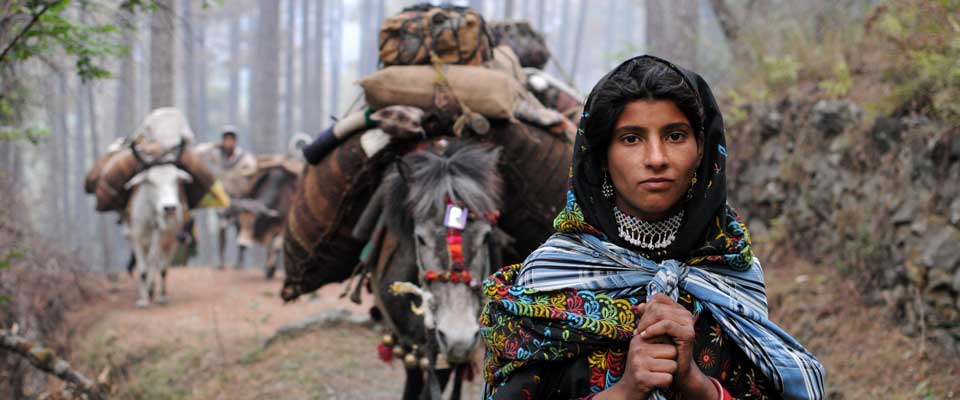
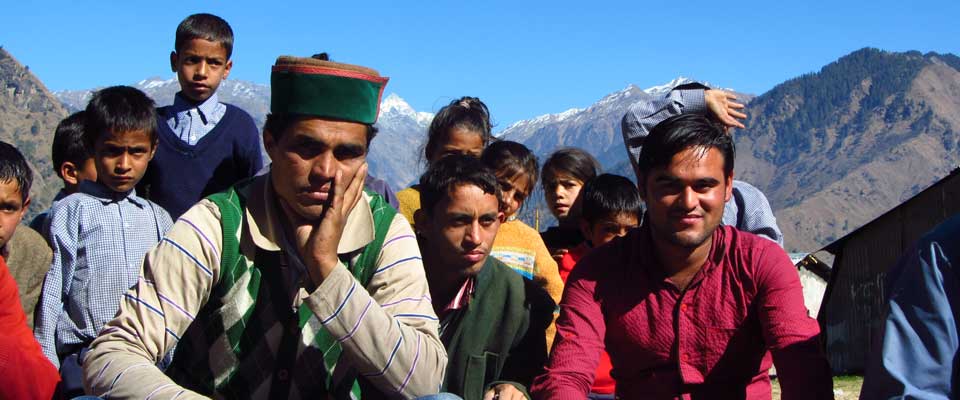
The Van Gujjar people are traditionally mobile buffalo-herding communities of the western Himalaya. Their seasonal routes connect the foothills, forests, river valleys, and high mountain pastures of Uttarakhand, Himachal Pradesh, and nearby regions. This movement reflects a finely adapted pastoral system shaped by altitude, climate, fodder, and customary access to land.
The Tibetan Plateau lies north of the Himalayan range, separated from the Van Gujjar heartlands by some of the world’s highest mountains. The relationship between Van Gujjar life and this vast plateau is therefore best understood through connected mountain ecosystems, shared pastoral knowledge, trade corridors, and cultural exchange rather than through a simple claim of direct settlement on the plateau.
A mountain world of connected pastures
The Tibetan Plateau forms a high, cold landscape of grasslands, wetlands, glaciers, and headwater valleys. Snowmelt from this region feeds major South Asian rivers, including systems that flow toward the plains where Van Gujjar communities spend part of the year. Changes in the plateau’s climate can influence water availability, pasture conditions, and seasonal weather far beyond Tibet.
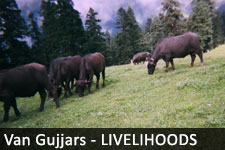
Van Gujjar buffalo pastoralism developed in a different ecological zone. Buffalo thrive in forested foothills and lower Himalayan grasslands, while other pastoral communities keep sheep, goats, yaks, or cattle in higher elevations. These systems are distinct, but they belong to the same wider mountain economy, where herders respond to altitude by moving animals between complementary grazing environments.
Seasonal movement and pastoral knowledge
Van Gujjar migration traditionally follows a seasonal rhythm. Families move toward higher forest areas during warmer months and return to lower settlements before winter. Their knowledge includes animal health, fodder plants, water sources, weather signs, forest routes, and methods for producing milk and ghee under mobile conditions.
This knowledge has parallels across the Himalayan arc and the Tibetan Plateau. Pastoralists in different regions have developed flexible ways to manage harsh terrain and variable resources. Such similarities do not erase local identities; instead, they show how mountain societies independently create practical responses to altitude, limited cultivation, and changing seasons.
Buffalo, milk, and regional exchange
The buffalo is central to Van Gujjar culture, household income, and food security. Milk, curd, butter, and ghee connect pastoral families with nearby villages and urban markets. These products create an economic bridge between forest camps, foothill settlements, and towns.
Historically, Himalayan trade networks also linked lowland producers with highland consumers through salt, wool, grain, livestock, and dairy products. Van Gujjar routes were generally located west and south of the main Tibetan Plateau, yet they formed part of a broader exchange zone shaped by mountain passes and river corridors. Today, better milk marketing and fairer market access can strengthen this livelihood without forcing communities to abandon mobility.
Rights, forests, and changing routes
Pastoral movement depends on secure access to forests, water, and customary grazing areas. Restrictions on forest entry, conservation policies, infrastructure projects, and settlement pressure can disrupt routes that have supported families for generations. When migration becomes difficult, households may face rising costs, reduced livestock numbers, and weakened cultural continuity.
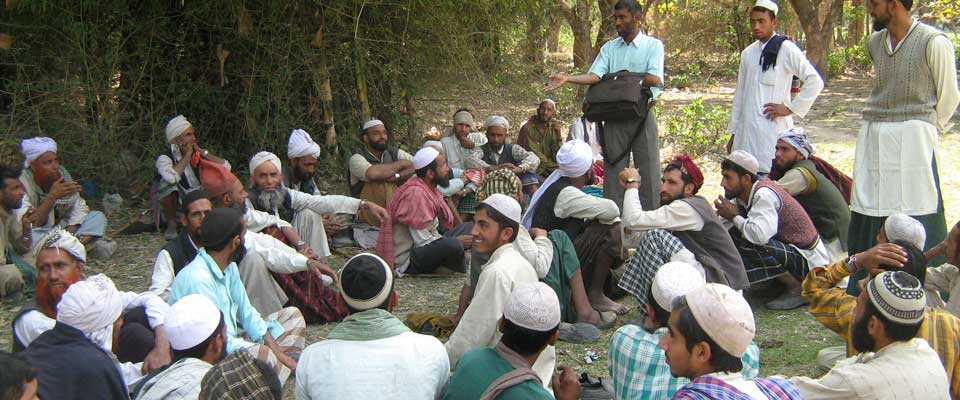
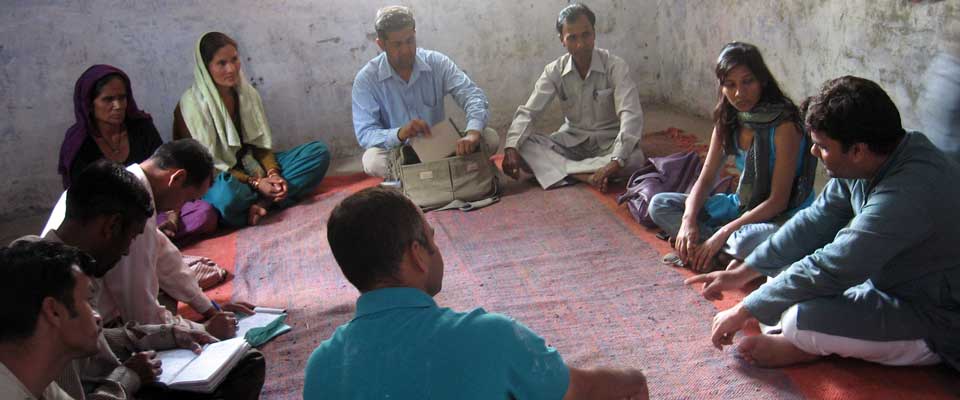
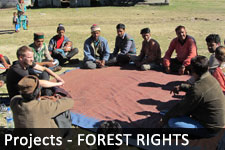
Legal recognition is therefore important. Communities can use the forest rights framework to understand and pursue collective and individual rights where applicable. Rights-based work also requires documentation, social mobilization, government engagement, and attention to the specific conditions of Van Gujjar settlements.
| Ecological connection | Van Gujjar relevance | Wider Himalayan significance |
|---|---|---|
| Snow-fed rivers | Supports water sources in foothill and forest zones | Links highland climate with downstream livelihoods |
| Seasonal pastures | Enables buffalo grazing and migration | Reflects mobile adaptation to altitude |
| Forest biodiversity | Provides fodder, shade, and medicinal resources | Sustains ecological resilience |
| Dairy exchange | Connects herders with local markets | Supports food and income networks |
| Customary routes | Preserves community knowledge and mobility | Protects cultural landscapes |
Climate change across the highlands
The Tibetan Plateau is warming rapidly, with consequences for glaciers, permafrost, precipitation, and river flow. The western Himalaya also faces irregular snowfall, hotter summers, intense rainfall, forest fires, and changing pasture conditions. These pressures can shorten grazing seasons and increase disease risks for livestock.
Van Gujjar communities are often among the first to notice environmental change because their livelihoods depend directly on forests and weather. Their observations can complement scientific monitoring. Community-led mapping of routes, water points, fodder areas, and hazard zones can help build practical adaptation plans while protecting local decision-making.
Shared futures for mountain communities
A meaningful connection between the Van Gujjar world and the Tibetan Plateau rests on respect for diverse pastoral cultures. It should recognize that mobility is a livelihood strategy, not a sign of underdevelopment. It should also distinguish between communities, landscapes, and political borders while acknowledging their ecological interdependence.
Research partnerships, pastoral exchanges, better veterinary services, and fair dairy markets can support this future. Stronger cooperation among community organizations, local administrations, researchers, and civil society groups can help ensure that conservation and development policies protect both biodiversity and human rights.
Practical ways to support pastoral livelihoods
- Recognize customary grazing, forest, and settlement rights through participatory documentation.
- Improve veterinary care, vaccination, fodder support, and mobile animal-health services.
- Build fair milk collection and marketing systems close to seasonal migration routes.
- Include Van Gujjar knowledge in climate, forest, and watershed planning.
- Support women and youth through education, leadership training, and livelihood programs.
Van Gujjar communities carry knowledge that connects forests, livestock, markets, and mountain seasons. Supporting their rights and pastoral economy also strengthens the wider Himalayan landscape linked to the Tibetan Plateau. Learn about community-led work, share reliable information, and support partnerships that place indigenous voices at the center of decisions about forests, mobility, and sustainable livelihoods.