



SOPHIA’s Advocacy for Pastoralist Inclusion in Climate Policy
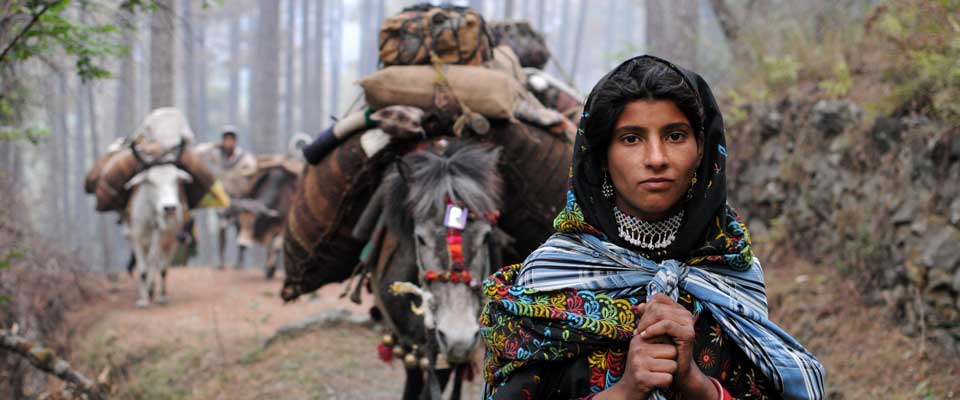
Climate policy often focuses on cities, farms, forests, and infrastructure, while mobile pastoralists remain at the margins of planning. In the Himalayan region, Van Gujjar and village communities experience climate change through shifting rainfall, hotter summers, water stress, pasture loss, forest restrictions, and changing disease patterns in livestock.
SOPHIA works to place these realities within public debate. Its rights-based approach connects pastoral livelihoods with forest access, domicile rights, buffalo husbandry, milk marketing, and community participation. This creates a stronger foundation for climate action that reflects lived experience rather than relying only on distant data.
For SOPHIA, inclusion means more than inviting communities to a meeting. It involves supporting people to document their concerns, engage with government institutions, influence local decisions, and claim the rights needed to adapt with dignity.
Climate policy must reach pastoral landscapes
Van Gujjar families depend on seasonal movement, forest resources, livestock, and social networks that have developed over generations. Climate disruption can make each part of this system less predictable. Reduced pasture, irregular water availability, extreme weather, and livestock illness can weaken household income and food security at the same time.
Policies designed around fixed settlements may fail to recognize mobile households. A pastoral family can be excluded from welfare schemes, emergency support, land documentation, or public services simply because its seasonal movement does not fit administrative categories. SOPHIA’s advocacy highlights this gap and promotes approaches that account for mobility.
Listening to community knowledge
Pastoralists possess detailed knowledge of grazing routes, water sources, fodder plants, animal behavior, and seasonal weather patterns. This knowledge can strengthen climate adaptation planning when institutions treat community members as partners and rights holders.
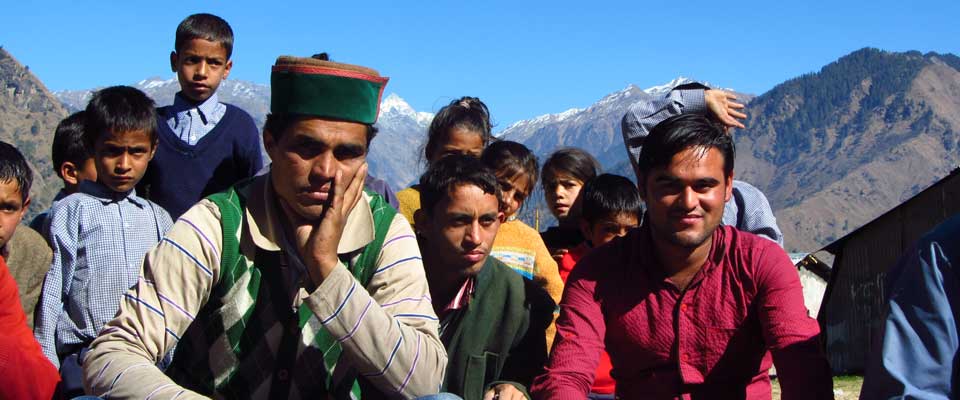
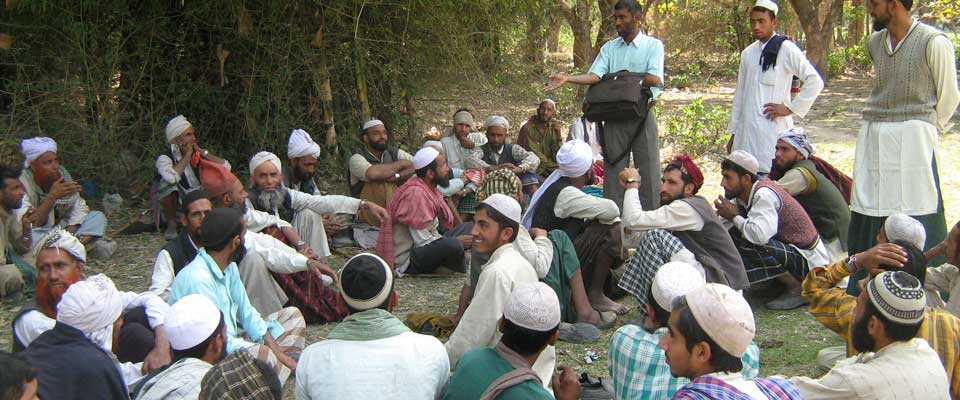
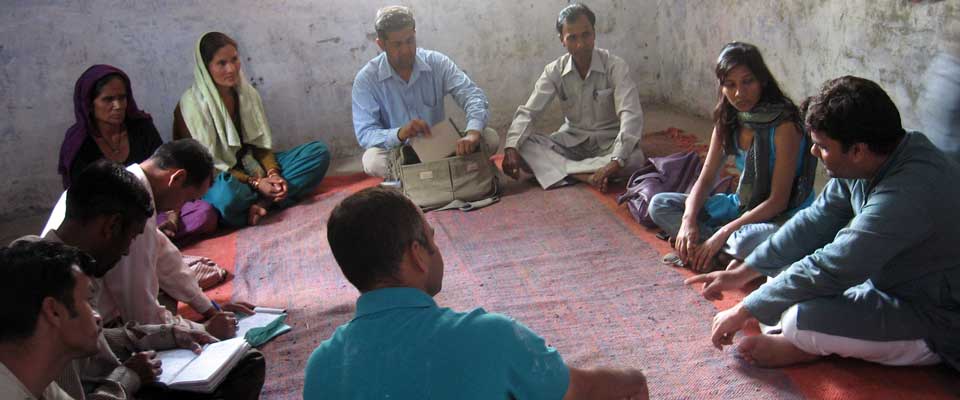
SOPHIA supports social mobilization so that local experiences become collective evidence. Community discussions, village-level organizing, and engagement with public officials can help identify practical priorities, from protecting traditional routes to improving access to veterinary care and climate-resilient livelihood services.
Connecting rights with resilience
Climate resilience depends on secure rights. When communities face uncertainty over forest access, residence, or grazing arrangements, they have fewer options for responding to drought, floods, disease, or declining pasture. Advocacy for forest and domicile rights therefore forms an important part of environmental and livelihood protection.
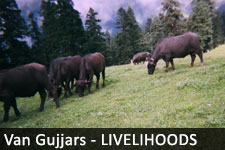
SOPHIA’s work also recognizes the economic role of buffalo husbandry and milk production. Better market access, fair pricing, animal health support, and local value chains can help pastoral households manage climate-related shocks without abandoning their livelihoods or cultural identity.
The policy differences become clearer when climate planning is compared with community-centered action:
| Policy area | Common limitation | Inclusive approach |
|---|---|---|
| Forest management | Treats mobile users mainly as pressure on resources | Recognizes customary use and involves pastoralists in stewardship |
| Disaster response | Reaches registered settlements first | Includes seasonal camps and mobile households |
| Livestock support | Focuses on production targets | Combines animal health, fodder, water, and climate risks |
| Dairy markets | Leaves producers exposed to weak local prices | Builds transparent testing, collection, and fair marketing systems |
| Climate planning | Relies heavily on technical assessments | Combines scientific information with pastoral knowledge |
Turning local evidence into public policy
Advocacy becomes effective when community concerns are connected to government processes. SOPHIA engages with officials, networks with civil society organizations, and promotes dialogue around policies affecting indigenous communities and pastoral economies.
This work can help translate everyday experiences into recommendations for district plans, rural development programs, forest governance, and climate adaptation strategies. It also encourages authorities to examine how documentation rules, service delivery systems, and conservation practices affect mobile communities.
Evidence from the dairy sector is especially relevant. Reliable measurement and transparent procurement can improve producer confidence and strengthen rural cooperatives. SOPHIA’s work on milk quality testing shows how practical improvements in local milk systems can support both household income and stronger community institutions.
Strengthening climate-ready dairy livelihoods
Milk marketing can provide regular income, yet pastoral producers may face challenges related to distance, poor collection infrastructure, inconsistent testing, and limited bargaining power. These problems become more serious when climate change affects animal health, fodder availability, or travel routes.
Improved cooperative systems can link climate adaptation with economic justice. Accessible veterinary services, water points, fodder planning, animal disease monitoring, and fair milk procurement can reduce vulnerability while keeping benefits within the community. Such measures are especially valuable when they are designed with producers rather than imposed on them.
Building accountable partnerships
Pastoralist inclusion requires cooperation among communities, local governments, researchers, NGOs, cooperatives, and rights networks. Each actor can contribute different resources, but partnerships must respect community leadership and avoid treating indigenous knowledge as a token addition to a predesigned project.
SOPHIA’s model combines advocacy, government engagement, capacity building, and collaboration with other organizations. This creates opportunities to scale local priorities while maintaining accountability to the people most affected by climate and policy decisions. Regular feedback, accessible information, and community representation can help ensure that programs remain responsive.
Priorities for inclusive climate action
Public institutions and development partners can support pastoralist resilience by adopting practical commitments:
- Recognize seasonal mobility in climate, welfare, disaster response, and livestock programs.
- Include Van Gujjar and Himalayan village representatives in planning and monitoring bodies.
- Protect forest, domicile, grazing, and livelihood rights within adaptation strategies.
- Invest in veterinary care, water access, fodder security, and climate-resilient buffalo husbandry.
- Strengthen transparent dairy cooperatives and fair milk marketing for pastoral producers.
Pastoralist inclusion should be measured by real improvements in rights, services, income security, and decision-making power. SOPHIA’s advocacy offers a pathway toward climate policy that respects indigenous communities while supporting sustainable stewardship of Himalayan landscapes.
Support SOPHIA by sharing its work, building responsible partnerships, amplifying pastoralist voices, and contributing to rights-based programs that connect climate resilience with secure livelihoods.