





Legal safeguards for pastoral grazing in protected areas
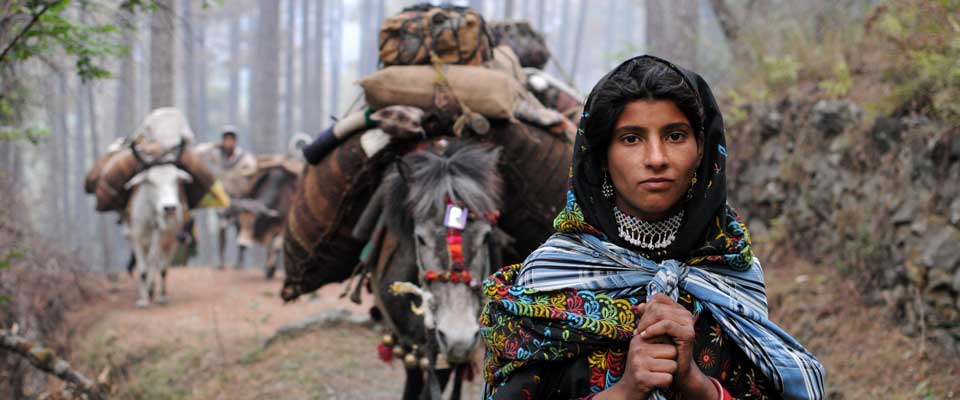
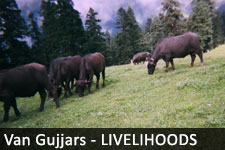
Pastoral communities have long moved livestock across forests, grasslands, river valleys, and mountain corridors. In Uttarakhand, Van Gujjar buffalo herders follow seasonal routes that connect forest settlements with winter grazing areas in the Shivalik hills. Their mobility supports household economies, animal health, and the ecological use of pasture.
Protected area law can affect these customary practices through permits, relocation programmes, grazing restrictions, and conservation rules. The legal position is not determined by a park notification alone. It also depends on forest rights, evidence of traditional use, community consultation, and the procedure followed by government authorities.
For communities and civil society organisations, understanding these overlapping laws is essential. It helps pastoralists distinguish a lawful regulation from an unlawful denial of rights and strengthens their ability to participate in decisions affecting their land, buffaloes, and livelihoods.
The main legal sources
The Wild Life (Protection) Act, 1972, provides the framework for national parks, wildlife sanctuaries, conservation reserves, and tiger reserves. It allows restrictions on access, resource use, and grazing, but the process differs according to the category of protected area. A national park generally provides stronger protection than a sanctuary, where some existing rights may continue subject to settlement and regulation.
The Forest Rights Act, 2006, formally recognises the rights of forest-dwelling Scheduled Tribes and other traditional forest dwellers. It includes community rights such as grazing, seasonal access, and traditional use of forest resources. For many mobile herders, the key question is whether their customary use can be documented and recognised through the legally prescribed process.
The Constitution, forest legislation, land records, government orders, and court decisions may also influence pastoral access. Authorities must read these instruments together rather than treating conservation status as an automatic cancellation of every pre-existing community claim.
Recognition before restriction
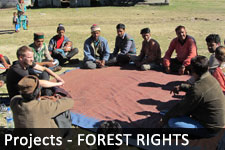
Under the Forest Rights Act, the Gram Sabha has a central role in receiving claims, verifying evidence, and recommending recognition of forest rights. Evidence may include household records, community testimony, maps, old permits, veterinary documents, route knowledge, photographs, or records of seasonal movement. A lack of formal title does not by itself prove that a traditional right never existed.
Rights settlement under the Wild Life (Protection) Act is also important. Before rights are altered or acquired in a protected area, the relevant authority must identify existing claims and follow the required procedure. Relocation or exclusion should not be presented as the first or only conservation solution when regulated coexistence remains possible.
The Van Gujjar migration history illustrates why seasonal movement must be understood historically. A route used for generations may cross administrative boundaries even when official maps show only separate forest compartments.
Protected area categories and pastoral access
The legal effect of grazing depends partly on the kind of protected area and partly on rights already recognised. A wildlife sanctuary may permit regulated traditional use, while a national park can impose more extensive restrictions after rights have been settled. Tiger reserves may involve additional protection measures, but these do not erase the need for lawful procedures and rights assessment.
Critical Wildlife Habitats under the Forest Rights Act have a particularly strict standard. Relocation can occur only when specified conditions are met, including the establishment that wildlife protection cannot be achieved through coexistence, completion of rights recognition, scientific justification, and informed consent in the prescribed setting. Compensation and rehabilitation must also be addressed transparently.
| Legal setting | What pastoralists should examine | Practical safeguard |
|---|---|---|
| Wildlife sanctuary | Existing rights, permits, and local restrictions | Request written rules and participate in consultations |
| National park | Rights settlement and limits on access | Seek records of claims, hearings, and final orders |
| Tiger reserve | Core and buffer zoning, relocation proposals | Demand lawful process, consent where required, and rehabilitation details |
| Community forest area | Community forest rights and management responsibilities | Build a Gram Sabha record and a locally agreed grazing plan |
Evidence, consultation, and due process
Pastoral rights are often challenged because mobility leaves fewer conventional documents than settled cultivation. Communities can create stronger records by maintaining seasonal calendars, route maps, herd registers, milk sale records, school or ration documents, and statements from elders and neighbouring villages. Collective evidence can show continuity even where individual paperwork is incomplete.
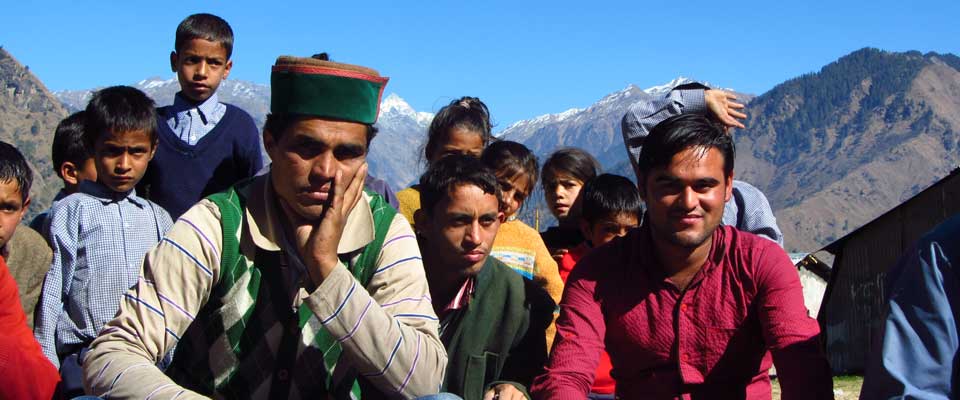
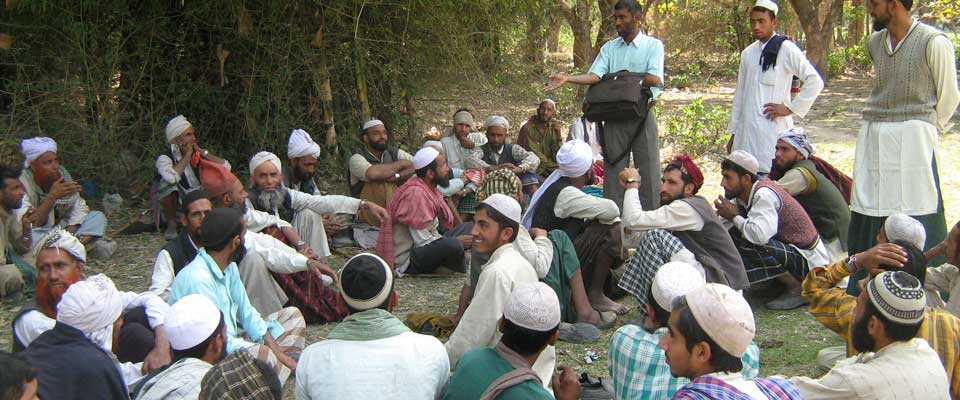
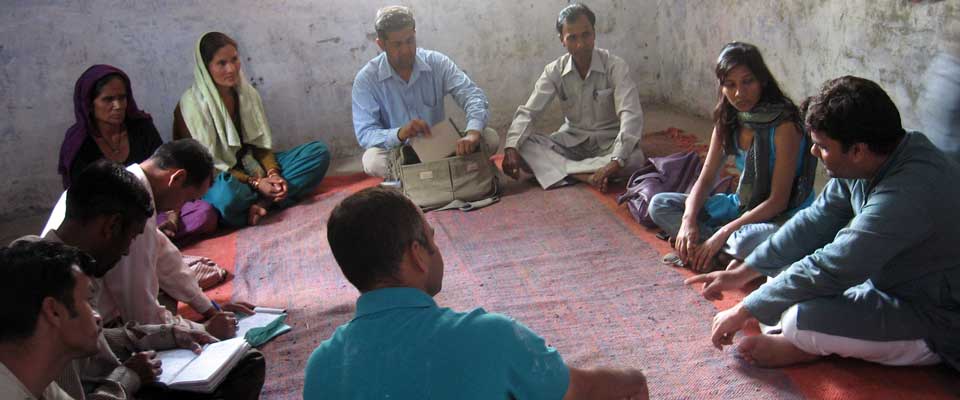
Notice and consultation should be meaningful rather than symbolic. Meetings should be held in accessible locations and languages, with adequate time to review maps, restrictions, relocation proposals, and compensation terms. Women, young herders, and families with less political influence should be able to speak and have their views recorded.
An oral refusal at a forest gate is not the same as a legally reasoned order. Communities can request written grounds, copies of relevant notifications, and information about appeal or grievance mechanisms. Documentation of incidents, dates, officials involved, and livestock affected can support representation before district authorities or legal aid organisations.
Conservation and sustainable pastoralism
Pastoral grazing is not automatically incompatible with biodiversity protection. Managed buffalo grazing can shape vegetation, reduce fuel accumulation in some landscapes, and sustain livelihoods without permanent cultivation. The ecological effect depends on herd density, season, water access, disease control, and the condition of particular habitats.
A practical management agreement may identify grazing corridors, seasonal closures, water points, veterinary protocols, fire prevention duties, and rules for protecting sensitive breeding areas. Such arrangements work best when communities help design and monitor them, rather than receiving rules that ignore local knowledge.
Government departments and conservation managers can use participatory mapping and periodic review to balance habitat needs with pastoral mobility. Clear, predictable rules are preferable to arbitrary exclusion because they allow families to plan herd movement and comply with conservation measures.
Organising for secure rights
Rights recognition is often strengthened through collective action. Gram Sabha resolutions, community maps, coordinated claims, and engagement with district-level committees can make seasonal use visible in official processes. Partnerships with organisations such as SOPHIA can help communities connect legal awareness with social mobilisation, advocacy, and government dialogue.
Pastoral families may find the following steps useful:
- Record customary routes, grazing seasons, water sources, and approximate herd numbers.
- Collect old permits, receipts, identity documents, veterinary records, and community testimonies.
- Ask for written copies of protected area notifications, restrictions, surveys, and relocation proposals.
- Use the Gram Sabha and forest rights committees to submit collective claims and preserve meeting minutes.
- Seek independent legal support before signing relocation, surrender, or compensation documents.
Sustainable buffalo husbandry and local milk marketing can also reduce pressure on household incomes when access rules change. Livelihood planning should accompany conservation planning so that families are not asked to absorb the economic cost of environmental protection alone.
A fair protected-area system recognises that conservation and indigenous rights are connected. Pastoral communities should document their histories, participate in rights settlement, and insist on transparent decisions grounded in law. Organisations, officials, and supporters can help by strengthening community evidence, defending due process, and supporting viable pastoral livelihoods across Himalayan landscapes.