


Health challenges in remote Himalayan villages
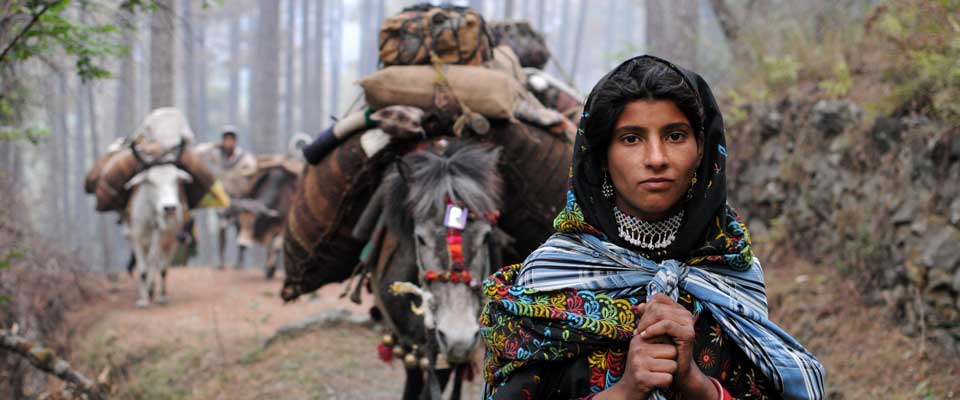
Remote Himalayan villages face a combination of health risks shaped by geography, poverty, livelihood patterns, and limited public services. For Van Gujjar families and other indigenous communities, distance from roads and hospitals can turn a manageable illness into a serious emergency.
Seasonal migration, forest access restrictions, harsh winters, and dependence on livestock influence when and how people seek care. Women, children, older adults, and people with disabilities often experience the greatest barriers, especially when transport, cash, or identity documents are unavailable.
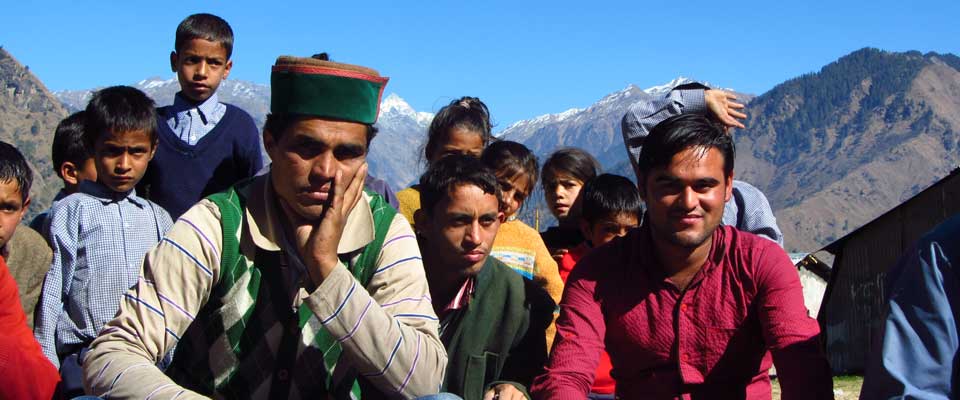
SOPHIA works with communities in Uttarakhand, Himachal Pradesh, and Uttar Pradesh on rights-based development, pastoral livelihoods, buffalo husbandry, and social mobilization. Understanding local health conditions is essential to strengthening community resilience and ensuring that public services reach people living in remote Himalayan settlements.
Distance and difficult terrain
Steep trails, seasonal rivers, landslides, and snow can separate a household from the nearest sub-centre or community health facility. Ambulances may not reach hamlets located beyond motorable roads, while public transport can be irregular or unaffordable. A routine antenatal visit or follow-up appointment may require a full day or longer.
Travel becomes especially difficult during childbirth, injury, high fever, or respiratory distress. Families may depend on neighbours, pack animals, private vehicles, or improvised stretchers. Delays can increase medical costs and make people more likely to postpone care until symptoms become severe.
Gaps in primary healthcare
Remote villages may have limited access to doctors, nurses, medicines, diagnostic testing, and regular immunization services. Health workers can face the same transport and weather obstacles as residents, leading to cancelled outreach visits or inconsistent service delivery. Stock-outs of essential drugs further weaken trust in government facilities.
Preventive healthcare is often less visible than emergency treatment, yet it plays a vital role in mountain communities. Screening for anaemia, tuberculosis, hypertension, diabetes, malnutrition, and childhood infections can identify problems early. Reliable health records and village-level follow-up are particularly important for mobile pastoral households.
Maternal, child, and adolescent wellbeing
Pregnant women may struggle to attend routine check-ups, access iron and folic acid supplements, or reach an institution for delivery. Poor nutrition, anaemia, and limited reproductive health information can increase risks for mothers and newborns. Adolescent girls may also lack privacy, menstrual hygiene products, and accurate health education.
Children face exposure to cold, unsafe water, diarrhoeal disease, respiratory infections, and interrupted vaccination schedules. Nutrition problems can be intensified when families lose livestock, income, or access to grazing areas. Community health workers, schools, and local women’s groups can help connect families with screening, referrals, and government schemes.
| Health concern | Common barrier | Community-centred response |
|---|---|---|
| Emergency care | Long travel time and weak transport | Village referral plans and local emergency contacts |
| Maternal health | Infrequent check-ups and unsafe travel | Outreach clinics and birth preparedness |
| Child nutrition | Food insecurity and limited screening | Growth monitoring and nutrition counselling |
| Respiratory illness | Cold homes, smoke, and delayed diagnosis | Cleaner cooking practices and early testing |
| Mental wellbeing | Isolation, stress, and limited support | Peer groups and confidential counselling referrals |
Livelihoods, forests, and health
Pastoral families depend on forests, seasonal grazing, and buffalo husbandry for food and income. Restrictions on forest and domicile rights can affect mobility, shelter, fodder collection, and access to milk markets. These pressures may indirectly worsen health by reducing household earnings and limiting nutritious food.
The relationship between rights and wellbeing is clear in the forest rights case involving forest-dwelling communities in Himachal Pradesh. Secure rights and meaningful participation in decisions can help families plan livelihoods, maintain access to essential resources, and engage more confidently with public institutions.
Water, sanitation, and environmental risks
Mountain settlements may rely on springs, streams, or seasonal water sources that are vulnerable to contamination, drying, and damage from extreme weather. Carrying water over long distances increases the physical burden on women and girls. Inadequate sanitation can contribute to intestinal infections and discourage hygienic practices.
Indoor air pollution is another concern where households use firewood or other solid fuels for cooking and heating. Smoke exposure can aggravate asthma, chronic obstructive pulmonary disease, and childhood pneumonia. Safer water storage, improved toilets, ventilation, and cleaner cooking options should be planned with residents rather than imposed without considering local housing and climate.
Building trusted local solutions
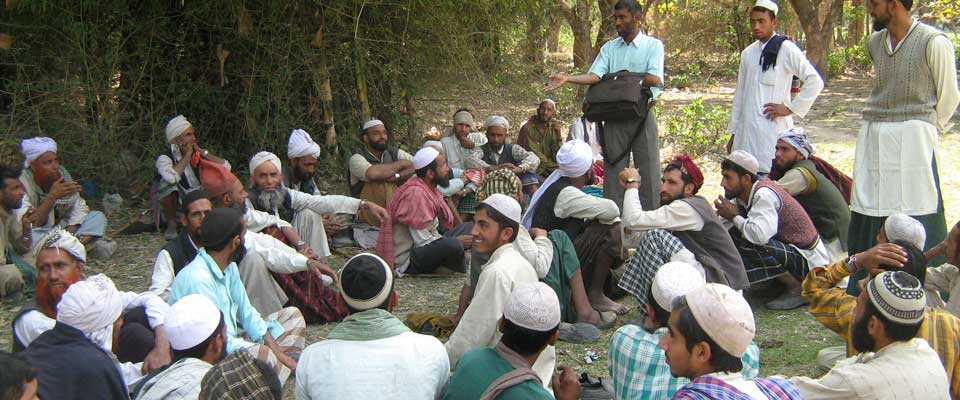
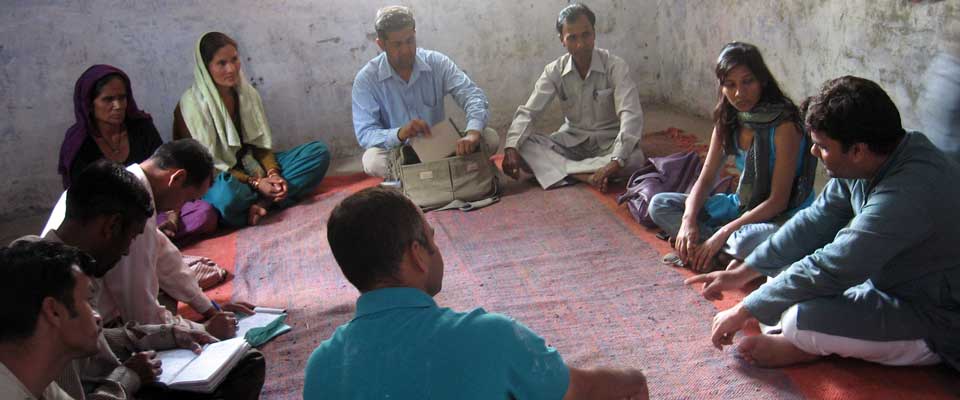
Health programmes are more effective when they respect community knowledge, language, mobility, and cultural practices. Village meetings can identify vulnerable households, map seasonal routes, and establish referral systems before an emergency occurs. Training local volunteers in first aid, nutrition awareness, maternal support, and public health communication can strengthen the first layer of care.
Government engagement is equally important. Mobile medical units, telehealth where connectivity permits, regular medicine supplies, and coordinated outreach can reduce service gaps. Partnerships among panchayats, frontline health workers, schools, women’s collectives, pastoral representatives, and civil society organizations can make health planning more accountable.
Priorities for community health action
- Organize regular outreach clinics with screening, immunization, maternal care, and essential medicines.
- Create village emergency maps showing transport options, referral facilities, and key contact numbers.
- Strengthen nutrition support for pregnant women, children, adolescents, and older adults.
- Improve access to safe water, sanitation, ventilation, and cleaner household energy.
- Include Van Gujjar and Himalayan village communities in health planning and monitoring.
Sustainable progress depends on treating healthcare access as a matter of dignity, rights, and community participation. Support SOPHIA’s work by learning about its projects, sharing reliable information, building partnerships, and contributing to rights-based initiatives that connect healthy families with secure livelihoods and public services.