



How to Support Van Gujjar Communities Without Harming Their Way of Life
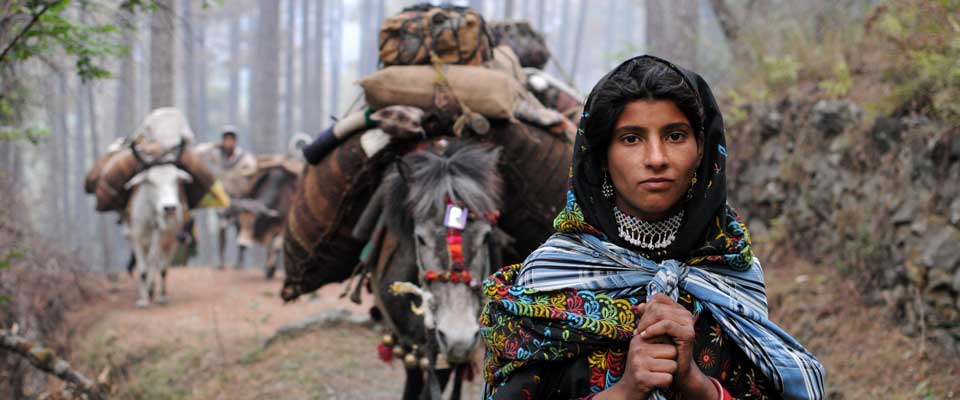
Van Gujjar communities have developed a distinct pastoral culture shaped by seasonal movement, buffalo husbandry, forest knowledge, and strong social networks. Their livelihoods depend on access to grazing areas, water, forest resources, and secure residence rights across Uttarakhand, Himachal Pradesh, and Uttar Pradesh.
Outside support can strengthen these foundations when it follows community priorities. It can also create harm when visitors impose unfamiliar systems, treat culture as a spectacle, or assume that permanent settlement and conventional employment are always better choices.
Meaningful solidarity begins with listening. The most useful role for donors, volunteers, researchers, and partner organizations is to support Van Gujjar-led decisions while respecting their knowledge, dignity, and freedom to define their own future.
Learn before acting
Start by understanding the community’s history, seasonal migration routes, family structures, and relationship with the forest. Van Gujjar pastoralism is not simply an economic activity; it includes knowledge passed between generations about animal care, vegetation, weather, and movement through difficult terrain.
Avoid describing mobility as backwardness or poverty as a cultural defect. Some households may want improved schooling, healthcare, roads, or income opportunities, while still wishing to maintain pastoral practices. Support should make these choices more accessible rather than replacing them with a single development model.
Respect mobility and land rights
Secure forest, domicile, and habitation rights are central to community wellbeing. When families lack recognized access to traditional grazing grounds or settlements, they can face eviction, harassment, restricted movement, and reduced ability to care for their buffaloes.
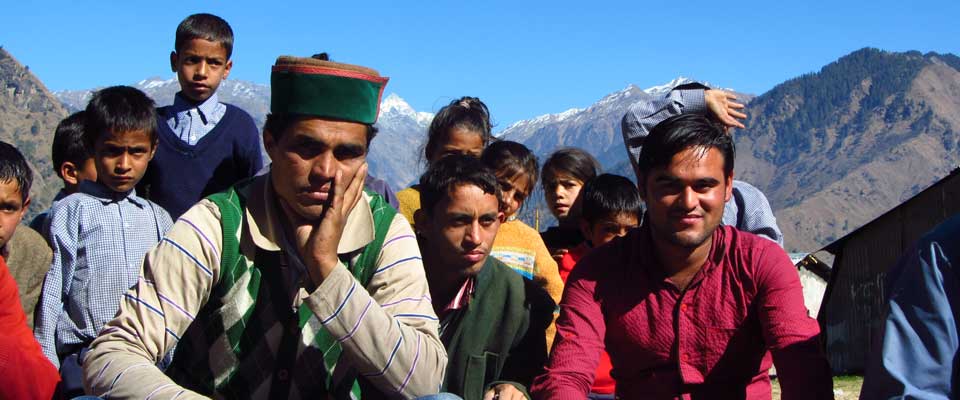
Advocacy is often more valuable than short-term donations. Organizations and individuals can support rights-based initiatives, legal awareness, documentation, and constructive engagement with government authorities. SOPHIA’s work with Van Gujjar and Himalayan village communities demonstrates how social mobilization and government engagement can reinforce local claims.
Strengthen livelihoods on community terms
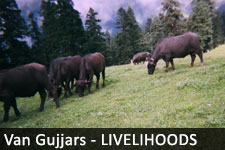
Buffalo husbandry and milk marketing provide important income for many Van Gujjar families. Practical support may include veterinary services, fodder access, fair prices, cold-chain facilities, and links to reliable buyers. These measures can improve household security without forcing people away from pastoral livelihoods.
Projects should be designed around local schedules and resources. A training session held during seasonal migration may exclude the very people it intends to help. Likewise, distributing animals, equipment, or unfamiliar breeds without consultation can increase costs and undermine established husbandry practices.
| Support approach | Potential benefit | Safeguard against harm |
|---|---|---|
| Veterinary outreach | Healthier buffaloes and lower treatment costs | Use mobile services suited to migration patterns |
| Fair milk marketing | More reliable household income | Set transparent prices and payment terms |
| Rights awareness | Greater confidence in claiming legal protections | Work with trusted community representatives |
| Education support | Improved access for children | Offer flexible arrangements for mobile families |
| Women’s leadership programs | Stronger decision-making and representation | Ensure women define priorities and meeting formats |
Put women and local leaders at the center
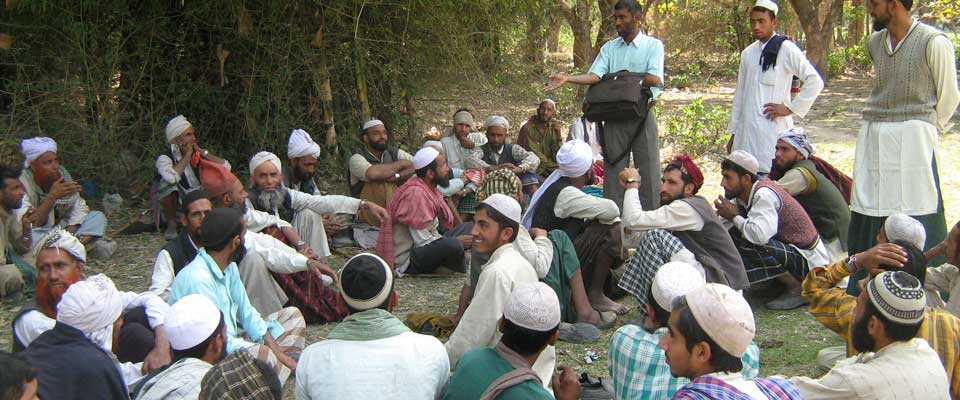
Community decisions are stronger when women, elders, young people, and pastoral workers all have meaningful opportunities to participate. Women often contribute substantially to animal care, milk processing, household finances, education, and social organization, even when their work receives little public recognition.
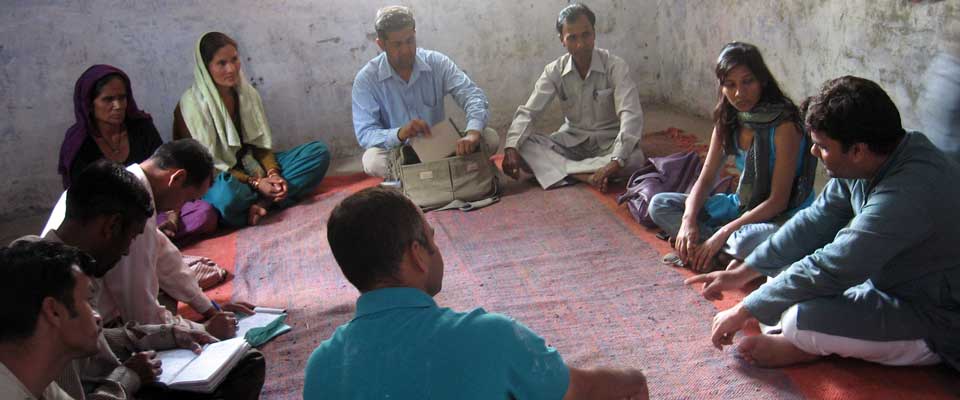
Supporting women community leaders means more than inviting women to attend an event. It involves funding leadership development, respecting their time, creating safe spaces for discussion, and recognizing their authority in community planning.
Outside groups should also identify who has legitimate local trust. A project can lose credibility if it works only with a convenient intermediary while excluding families with different experiences or opinions.
Give responsibly and avoid extractive engagement
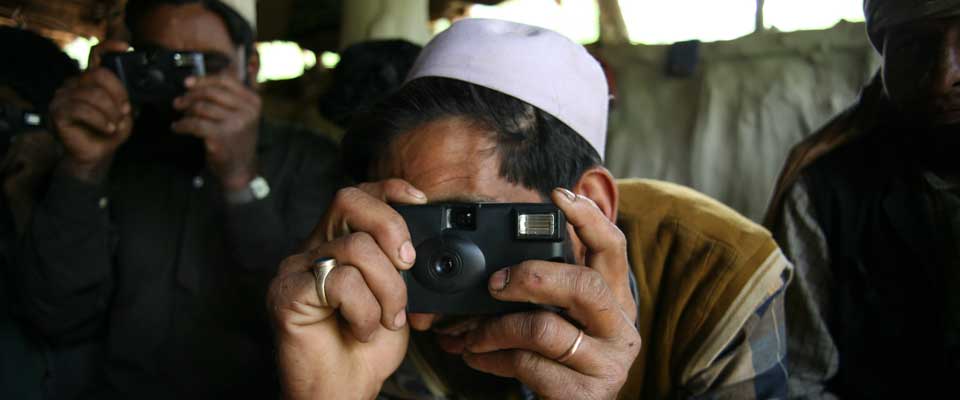
Photographs, interviews, academic studies, and media stories can raise awareness, but they should never treat people as symbols or attractions. Obtain informed consent, explain how material will be used, and allow participants to refuse or withdraw. Compensation should be fair when community members provide time, expertise, or access.
Donations require the same care. Short-term distributions may be helpful during emergencies, yet repeated handouts can create dependency or favor a small number of households. Long-term partnerships should prioritize locally identified needs, transparent budgets, and measurable benefits that remain with the community.
Practical ways to help
- Support organizations working on forest rights, domicile rights, pastoral livelihoods, and access to public services.
- Purchase milk and related products through fair, transparent channels when available.
- Fund mobile veterinary care, fodder initiatives, education access, or clean water based on community priorities.
- Share accurate information about Van Gujjar culture without sensational images or stereotypes.
- Volunteer professional skills only when local partners identify a genuine need and define the role.
Turn respect into support
Good intentions become useful when they protect choice, strengthen rights, and build on existing knowledge. Whether you contribute funds, professional expertise, research, advocacy, or public attention, begin by asking what communities have already identified as important.
SOPHIA offers a pathway for people who want to engage with Van Gujjar and Himalayan communities through responsible partnerships, rights-based projects, and sustainable livelihood support. Explore its work, learn from community-led initiatives, and contribute in ways that leave greater dignity, security, and decision-making power with the people themselves.