




How Climate Shifts Are Altering Migration Patterns
Across the Himalayan foothills, seasonal movement has long connected pastoral communities with forests, grasslands, villages, and markets. For Van Gujjar families, migration is more than a response to weather. It supports buffalo husbandry, milk production, social relationships, and a way of life shaped over generations.
That rhythm is becoming less predictable. Warmer winters, irregular monsoons, prolonged dry periods, sudden floods, and changing forest conditions are affecting when families move, which routes they use, and how long they can remain in traditional grazing areas. Climate change is therefore reshaping both pastoral livelihoods and the decisions made within each household.
These shifts also interact with road construction, conservation rules, tourism, land-use change, and access to public services. Understanding the pattern requires attention to community knowledge as well as rainfall records and temperature data.
Seasonal routes under pressure
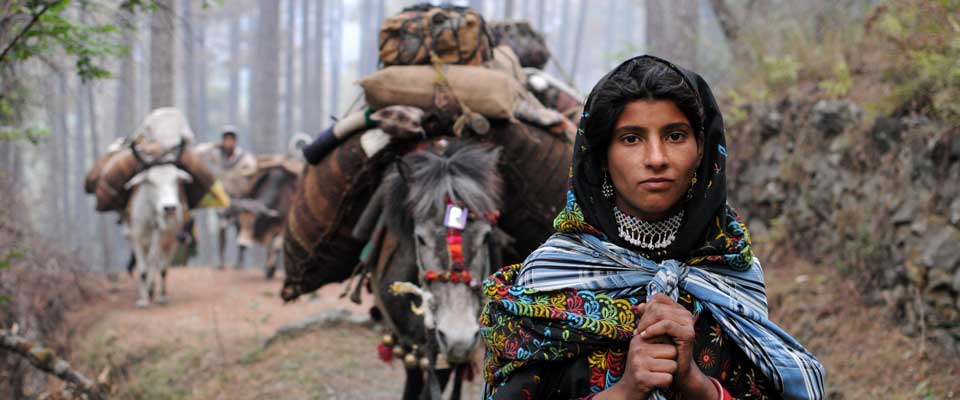
Van Gujjar migration traditionally follows seasonal ecological cycles. Families move toward higher or cooler areas when lowland heat increases, then return before winter becomes severe. The timing depends on pasture quality, water availability, buffalo health, and access to safe camping places.
Climate variability is disrupting these signals. Spring may arrive earlier, while summer heat can reduce grass growth and dry up small streams. Heavy rain may then come in short, intense bursts, damaging trails and bridges instead of steadily restoring pasture. A route that was reliable for decades may now become difficult or unsafe within a single season.
Water and pasture shape every decision
Water scarcity is one of the clearest drivers of changing mobility. Buffalo require regular water, and lactating animals need dependable nutrition. When springs dry earlier or ponds become contaminated, families may leave grazing areas sooner, split their herds, or spend more money transporting feed and water.
Pasture stress also increases pressure on forests and village commons. Families may be forced to travel farther between grazing sites, remain closer to settlements, or reduce herd sizes. These adaptations can weaken milk production and limit household income, especially when fodder prices rise at the same time as milk markets become uncertain.
Household choices are becoming more complex
Migration is no longer shaped by ecological conditions alone. Families weigh school calendars, healthcare, wage opportunities, forest access, road connectivity, and administrative restrictions alongside pasture and rainfall. Some households keep part of the family in a village while others continue with the herd, creating new forms of seasonal or circular migration.
Younger members may seek education or employment outside pastoral areas, while older relatives maintain livestock responsibilities. Tourism and changing land use can also alter customary spaces and cultural practices, as explored in tourism and traditions. When traditional movement corridors become crowded, commercialized, or restricted, climate pressure becomes harder to manage.
| Climate or environmental shift | Effect on pastoral movement | Wider livelihood consequence |
|---|---|---|
| Warmer winters | Earlier movement toward higher ground | Longer periods away from customary settlements |
| Unreliable monsoon rainfall | Uncertain pasture recovery | Greater spending on fodder |
| Drying springs and streams | More frequent route changes | Higher risk to buffalo health |
| Flash floods and landslides | Damaged trails and crossings | Delayed migration and lost market access |
| Rising summer temperatures | Reduced grazing quality | Lower milk yields and herd pressure |
Mobility is becoming more flexible
Some families are adjusting through shorter journeys, staggered departures, and temporary stops near reliable water sources. Others use purchased fodder, veterinary services, or transport vehicles to reduce the distance animals must travel. These responses can help in the short term, but they may be expensive and inaccessible to households with limited resources.
Flexible migration does not always mean greater freedom. A family may choose a new route because its old pasture is dry, blocked, or unavailable, rather than because conditions have improved. Repeated changes can also increase conflict over grazing areas and make it harder to maintain customary rights.
Community knowledge can guide adaptation
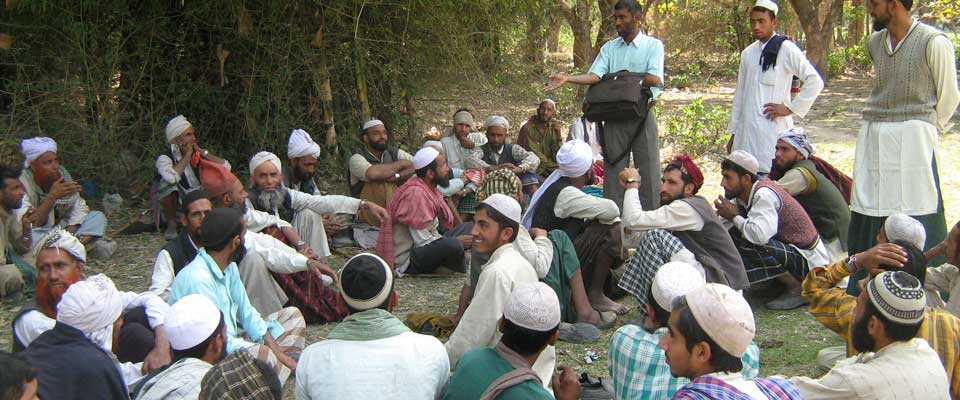
Local knowledge remains essential for interpreting signs that formal monitoring may miss. Pastoralists track grass growth, spring flows, animal behavior, forest conditions, and weather patterns through daily experience. Their observations can improve planning for water conservation, fodder storage, safe routes, and emergency support.
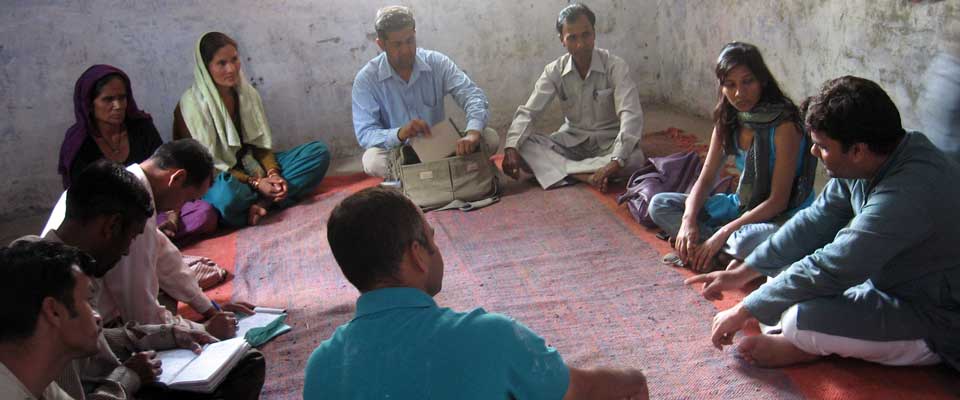
Organizations such as SOPHIA can help connect this knowledge with rights-based advocacy, government engagement, and practical livelihood programmes. Supporting domicile and forest rights, strengthening milk marketing, improving buffalo husbandry, and documenting migration corridors can make adaptation more secure and equitable.
Priorities for resilient migration
Effective responses should protect mobility while reducing the risks that climate instability creates. Key priorities include:
- Map traditional routes, water points, grazing areas, and flood-prone crossings with community participation.
- Restore springs, ponds, and pasturelands through locally managed conservation work.
- Expand veterinary outreach, fodder banks, and emergency livestock services along migration corridors.
- Ensure government climate and disaster programmes recognize pastoral households and seasonal movement.
- Include women, elders, and young people in decisions about livelihood adaptation and cultural continuity.
Climate shifts are altering migration patterns, but they do not erase the value of pastoral knowledge or community resilience. With secure rights, responsive public services, and locally designed adaptation, Van Gujjar and Himalayan communities can continue shaping viable futures while protecting their cultural and ecological connections. Support organizations working alongside these communities, share their experiences, and help strengthen programmes that keep mobility, dignity, and sustainable livelihoods at the center.