



Understanding the Van Gujjar: A pastoral community in transition
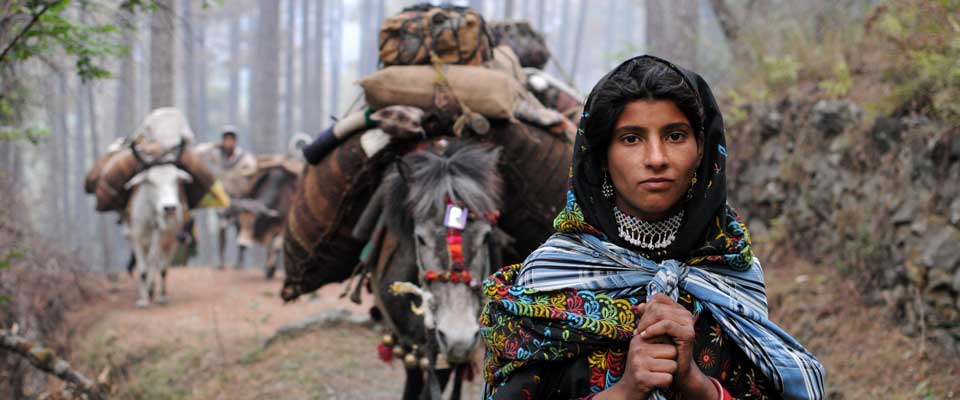
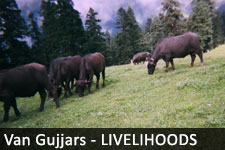
The Van Gujjar are a pastoral community whose history, livelihood, and cultural identity are closely connected to the forests and grasslands of the Himalayan foothills. Traditionally, families have moved seasonally with their buffalo herds, following changing weather and access to pasture.
This movement is more than an economic practice. It reflects detailed ecological knowledge, family cooperation, animal care, and relationships with forest landscapes. Yet the community now faces rapid changes in land access, conservation policy, education, markets, and settlement patterns.
Understanding this transition requires looking beyond the idea of “modernization.” For many Van Gujjar families, the central question is how to secure rights, dignity, and viable livelihoods while making informed choices about mobility and residence.
A pastoral way of life
Van Gujjar households traditionally depend on buffalo husbandry and the sale of milk, ghee, and other dairy products. Seasonal migration allows herders to use different grazing areas during the year, reducing pressure on any single landscape and supporting the health of their animals.
Family members share responsibilities such as milking, cooking, collecting fuel, caring for children, and managing livestock. Oral knowledge guides decisions about fodder, water, routes, weather, and animal health. The Van Gujjar communities supported by community organizations demonstrate how pastoral identity remains active even as daily practices evolve.
Mobility and ecological knowledge
Movement between forest settlements and seasonal camps has historically enabled Van Gujjar families to respond to changing ecological conditions. Buffalo require reliable water, fodder, and shade, so herders observe the landscape closely and adjust routes when conditions shift.
This knowledge is valuable for wider discussions about sustainable land use. Pastoralists often understand local plant cycles, water sources, and animal behavior through experience passed between generations. When access restrictions prevent customary movement without offering fair alternatives, both livelihoods and useful environmental knowledge can be weakened.
Forces driving transition
Several pressures are reshaping Van Gujjar life. Protected-area rules, forest relocation programs, limited access to customary routes, changing rainfall, and restrictions on grazing can make seasonal migration harder. Families may also choose settlement to access schools, healthcare, electricity, roads, and public services.
The transition does not follow one pattern. Some households settle permanently, some continue moving, and others combine pastoralism with wage labor, small trade, or farming. The following comparison shows how these choices can involve both opportunities and risks.
| Dimension | Continuing seasonal mobility | Settling permanently | Combining livelihoods |
|---|---|---|---|
| Main advantage | Maintains pastoral practices and access to seasonal fodder | Improves access to schools, healthcare, and services | Spreads risk across several income sources |
| Common pressure | Difficult routes, forest restrictions, and market access | Loss of grazing space and adjustment to new costs | Greater workload and uncertain earnings |
| Community concern | Secure recognition of customary forest use | Land, housing, and domicile rights | Training, credit, and fair market connections |
| Long-term need | Protected mobility and veterinary support | Secure tenure and essential infrastructure | Flexible programs shaped by local priorities |
Rights, recognition, and belonging
Forest and domicile rights are central to the community’s future. Recognition of customary residence and resource use can help families make decisions without facing displacement or exclusion. Rights-based development also means ensuring that government programs are accessible and that community members can participate in decisions affecting their land and livelihoods.
Documentation may be difficult for families whose lives have historically involved seasonal movement. Identity papers, land records, school certificates, and access to welfare schemes can influence whether people receive public services. Legal awareness and collective advocacy therefore form an important part of community empowerment.
Strengthening buffalo-based livelihoods
Buffalo husbandry remains a practical foundation for many Van Gujjar households, but producing milk is only one part of a successful livelihood. Families need veterinary care, fodder support, safe water, transport, chilling facilities, and transparent prices from buyers.
Milk marketing can improve when producers organize, understand market conditions, and build direct relationships with consumers or institutions. Women’s participation deserves particular attention because women often manage milking, household processing, animal care, and financial decisions while receiving limited recognition for this work.
Supporting community-led futures
Effective support should respect the choices of Van Gujjar families rather than treating settlement or continued mobility as a universal solution. Government agencies, NGOs, researchers, and local institutions can contribute by listening carefully and adapting programs to different settlement locations and seasonal realities.
Practical priorities include:
- Recognize forest, grazing, and domicile rights through accessible legal processes.
- Improve veterinary services, fodder planning, water access, and milk collection systems.
- Expand education and healthcare without requiring families to abandon their livelihoods.
- Support women’s leadership in producer groups, savings activities, and local decision-making.
- Include Van Gujjar representatives in conservation and relocation discussions.
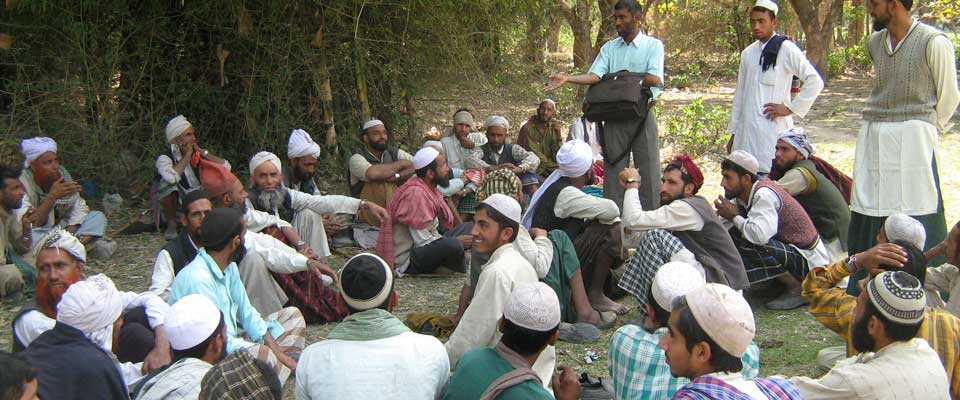
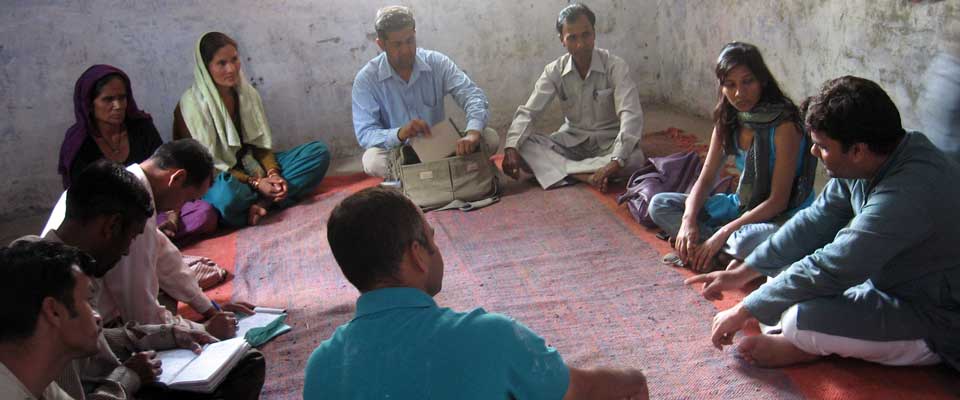
Partnerships work best when they build local leadership and strengthen existing knowledge. Social mobilization, rights education, government engagement, and cooperation among community groups can help families negotiate change on fairer terms.
Partner with community-led change
The Van Gujjar experience shows that pastoral communities are not frozen in the past. They are adapting to new economic, environmental, and institutional conditions while protecting practices that continue to sustain families and landscapes.
Support for this transition should begin with respect, dialogue, and recognition of rights. Learn about SOPHIA’s work, share reliable information about indigenous and pastoral communities, and support initiatives that connect dignity, sustainable livelihoods, and community decision-making.