


Documenting Van Gujjar Oral History
Across the foothills and forests of northern India, Van Gujjar families carry a detailed record of movement, work, kinship, ecology, and belonging. Much of this knowledge has been passed through spoken accounts rather than formal archives. Recording these voices helps preserve a living history shaped by seasonal migration, buffalo husbandry, forest relationships, and changing policies.
For SOPHIA, oral history is more than a cultural project. It is a community-led way to understand indigenous identity, support forest and domicile rights, and strengthen advocacy based on lived experience. Each testimony can connect personal memory with wider questions of land, citizenship, livelihood, and dignity.
Careful documentation also ensures that Van Gujjar narratives are represented in their own words. The process should value elders, women, pastoral workers, and young people as knowledge holders while protecting sensitive information and respecting community decisions about what may be shared publicly.
A Living Record Of Movement
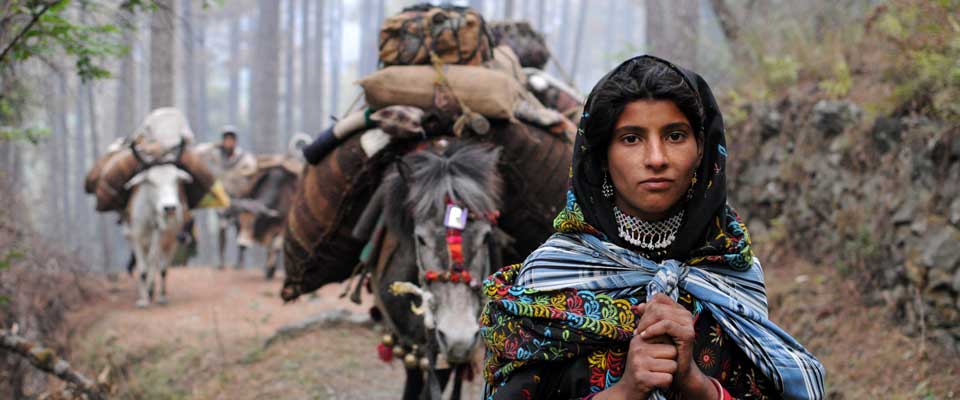
Van Gujjar oral traditions often describe the annual movement between forest grazing areas and village settlements. These journeys are linked to rainfall, fodder, water, buffalo health, family responsibilities, and access to customary routes. A single account may reveal how landscapes have changed over several generations.
Stories of migration can also explain how families understand home. Seasonal mobility does not make a community rootless; it reflects a sophisticated pastoral system adapted to Himalayan conditions. Interviews can document place names, resting points, grazing practices, social ties, and memories of forests that may not appear in official records.
Memory, Identity, And Belonging
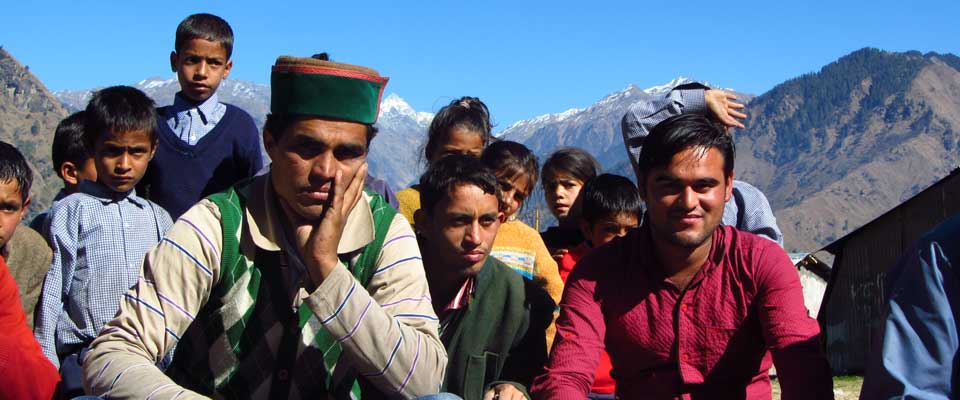
Personal narratives help explain how Van Gujjar people describe their identity and relationship with the wider region. Elders may recall earlier settlements, community institutions, local leaders, customary rules, and periods when access to forests was restricted or negotiated.
These memories are especially important when public discussions reduce pastoral communities to statistics. Oral testimony brings forward voices that are often absent from administrative files. It can show how policies affect school access, healthcare, documentation, transport, housing, and the continuity of traditional livelihoods.
A Community-Led Documentation Method
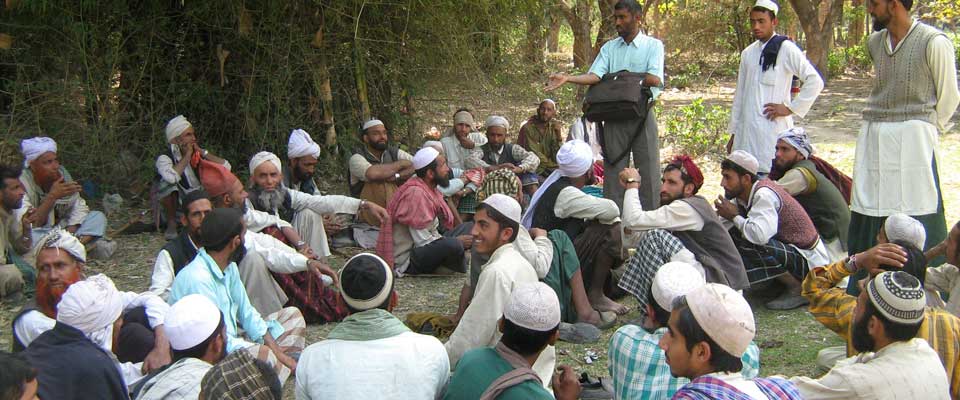
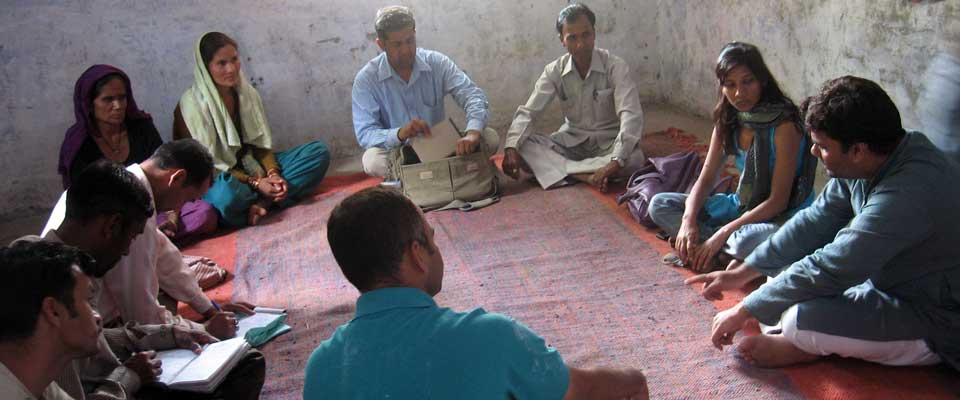
The strongest archive begins with trust. Interviewers should work in the community’s preferred language, explain the purpose of recording, and allow participants to choose the time, place, and people present. Conversations should feel like respectful exchanges rather than interrogations.
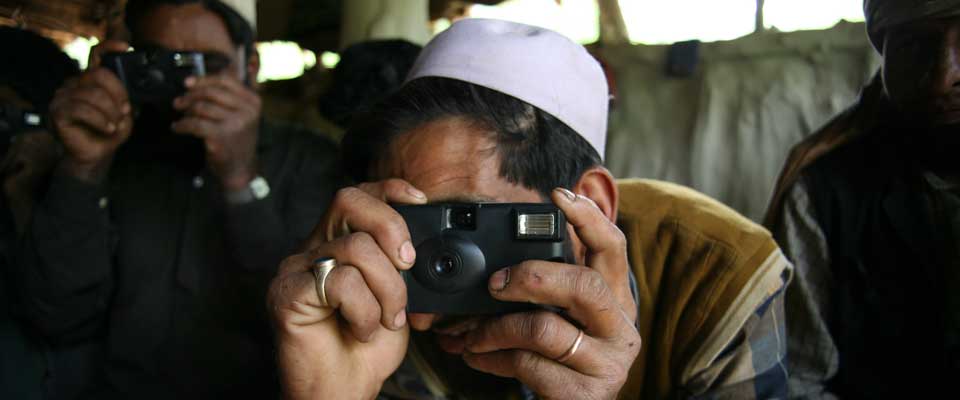
Audio recordings, photographs, transcriptions, translations, and field notes can be combined into a secure archive. Young community members can receive training in interviewing, camera use, file management, and storytelling. Their participation builds practical skills while creating a bridge between elders’ knowledge and future generations.
| Source material | What it can preserve | Good practice |
|---|---|---|
| Oral testimony | Family history, migration, customary knowledge | Record informed consent and preferred names |
| Community mapping | Routes, forests, water points, settlements | Review maps collectively before publication |
| Photographs | Everyday work, homes, animals, landscapes | Identify people and obtain permission |
| Songs and sayings | Values, memory, humour, ecological insight | Preserve context, pronunciation, and meaning |
| Documents and letters | Official encounters and rights claims | Store copies securely with community access |
Ethics And Control Of The Archive
Consent should be ongoing rather than treated as a single signature. Participants need to know how recordings may be used, who can access them, whether translations will be published, and how they can withdraw material. Sensitive details about land, family matters, or vulnerable locations may require restricted access.
Community ownership is equally important. Copies of recordings should remain available to participating families or local institutions, in formats they can use. Public exhibitions and online archives should distinguish between material approved for open circulation and knowledge intended only for community use.
This approach aligns with wider rights-based work, including the legal struggle for forest rights, where lived experience can help clarify how laws and decisions affect forest-dwelling communities.
From Testimony To Advocacy
An oral history archive can support advocacy when stories are connected to evidence and community priorities. Accounts of interrupted migration routes, lost grazing access, or difficulties securing documents may help identify recurring administrative barriers and inform dialogue with government departments.
The archive can also support education and public awareness. Short audio features, bilingual transcripts, exhibitions, and school activities can present Van Gujjar history without separating it from contemporary rights. The goal is to show a community with knowledge, agency, and future aspirations—not simply a population facing hardship.
Practical Priorities For SOPHIA
A sustainable programme should remain manageable, transparent, and useful to the people whose stories it preserves. The following priorities can guide field teams and community partners:
- Train local youth and women as interviewers, translators, photographers, and archive coordinators.
- Create consent forms and verbal-consent procedures in accessible local languages.
- Establish clear levels of access for private, community, educational, and public materials.
- Return edited recordings, transcripts, and photographs to families and community groups.
- Link documented concerns with rights education, government engagement, and livelihood support.
Help Keep These Stories Alive
Van Gujjar oral history deserves careful preservation because it records both cultural continuity and the realities of changing forests, policies, and livelihoods. Supporting this work means valuing community knowledge as evidence, heritage, and a foundation for collective action.
SOPHIA welcomes partnerships with researchers, media professionals, educators, donors, and community volunteers who can contribute time, skills, equipment, or resources. Follow the organization’s work, share its community-led initiatives, and help ensure that Van Gujjar voices remain present in the history of the Himalaya.