



Community-led approaches to wildlife conflict in pastoral areas
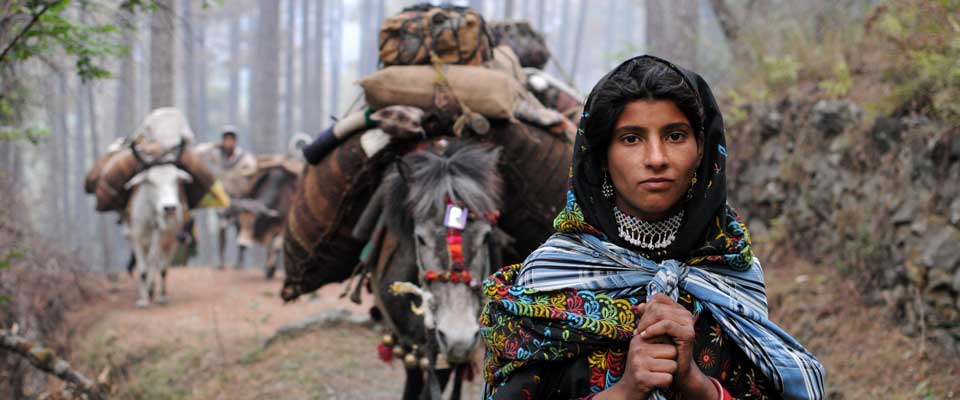
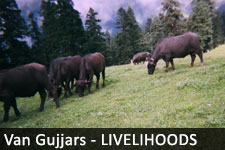
Pastoral communities live close to forests, grasslands, and wildlife corridors. Their buffalo, sheep, goats, and other livestock may share water sources and grazing routes with elephants, leopards, bears, wild boar, and other species. This proximity supports ecological balance, yet it can also bring crop damage, livestock loss, injuries, and fear.
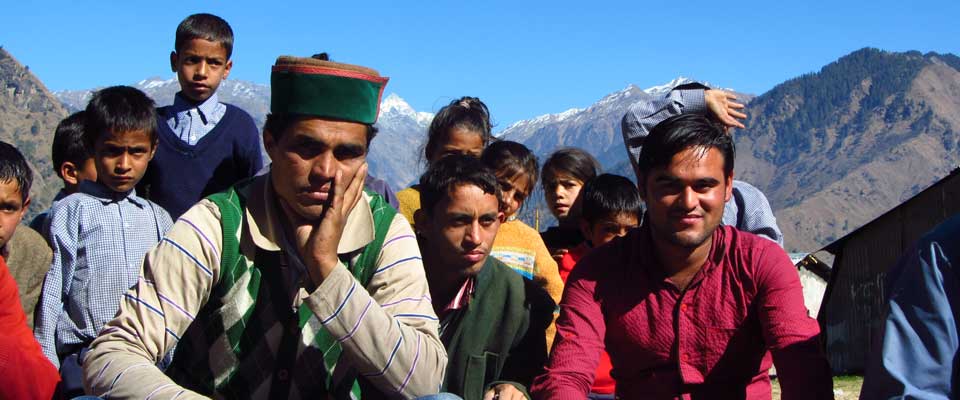
Effective conflict mitigation begins with the knowledge of people who use these landscapes every day. Van Gujjar families and Himalayan village communities understand seasonal movement, animal behaviour, forest access, and local terrain in ways that outside agencies may overlook. Their experience should guide planning, monitoring, and decisions about risk.
For SOPHIA, community-based conservation is closely connected with forest rights, secure livelihoods, buffalo husbandry, and social justice. When pastoral families have a stronger voice in resource governance, they can help protect wildlife while reducing the economic pressure that makes each encounter more damaging.
Why coexistence needs local leadership
Wildlife conflict is rarely caused by a single animal or isolated incident. Forest fragmentation, shrinking grazing areas, blocked migration routes, changing rainfall, and limited access to fodder can push wildlife and livestock into the same spaces. A response based only on emergency compensation may overlook these wider pressures.
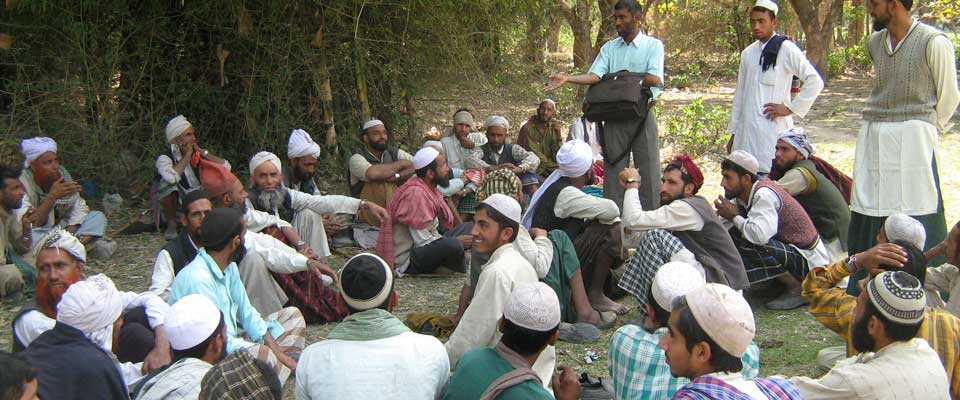
Local institutions can identify patterns that official records miss. Herd owners may know which stream crossings are risky at dusk, where a leopard has been seen, or when wild herbivores move toward cultivated fields. Community mapping and village meetings turn this practical knowledge into shared safety plans.
Participation also improves trust. People are more likely to report an encounter, follow a grazing advisory, or protect a wildlife corridor when they have helped shape the decision. This creates a stronger foundation for conservation than enforcement alone.
Reading conflict before it escalates
A village-level monitoring system can record the location, time, species, livestock involved, weather, and outcome of each incident. The information does not need to depend on expensive technology. Trained community volunteers can use notebooks, mobile forms, or shared maps to identify repeated hotspots.
Early-warning measures should match local conditions. Watch groups may alert herders when predators are near a settlement, while reflective markers, solar lights, secure night shelters, and coordinated livestock movement can reduce exposure. These measures work best when they are tested by residents and adjusted according to seasonal experience.
Children and older people also need clear safety guidance. Schools, women’s groups, pastoral collectives, and village councils can share information about safe travel, reporting procedures, and what to do after seeing a wild animal. Simple, repeated messages are more useful than occasional technical workshops.
Protecting herds, habitats, and household income
Improved night enclosures, stronger fencing in selected areas, trained livestock guardians, and closer herding during high-risk periods can reduce attacks. Buffalo and other animals should have access to secure resting areas, clean water, and timely veterinary care, because healthy livestock are better able to withstand stress and recover from injury.
Compensation systems must be prompt, transparent, and accessible. Families should know which documents are needed, where claims are filed, and how decisions can be appealed. SOPHIA’s work on legal aid clinics can support communities whose forest and domicile rights affect their ability to seek protection or assistance.
Conservation measures should also preserve the habitats that sustain both people and wildlife. Restoring fodder sources, protecting water points, maintaining forest corridors, and supporting sustainable pastoral livelihoods can reduce the need for long, risky movements. Income from milk marketing and better buffalo husbandry can further strengthen household resilience after a loss.
Choosing measures that fit the landscape
No single intervention is suitable for every pastoral area. A fenced settlement may help in one location but restrict wildlife movement in another. Technology can improve alerts, yet it may fail where mobile networks are weak or households cannot maintain equipment. Community decisions should consider cost, ecology, labour, and cultural practice.
| Approach | Main benefit | Limitation | Best use |
|---|---|---|---|
| Community monitoring | Identifies patterns quickly | Requires regular participation | Seasonal hotspots and early warnings |
| Secure livestock shelters | Reduces night-time losses | Needs materials and upkeep | Villages near predator habitat |
| Rapid compensation support | Protects household income | Does not prevent incidents | After verified livestock or crop loss |
| Corridor and habitat protection | Addresses root causes | Results take time | Forest edges and wildlife routes |
| Trained response teams | Improves emergency safety | Needs coordination and training | Settlements with frequent encounters |
A balanced programme combines prevention, emergency response, legal support, and livelihood protection. It should also include women, mobile pastoral households, landless families, and people living far from administrative centres, since these groups can face the greatest barriers to reporting and compensation.
Building durable community systems
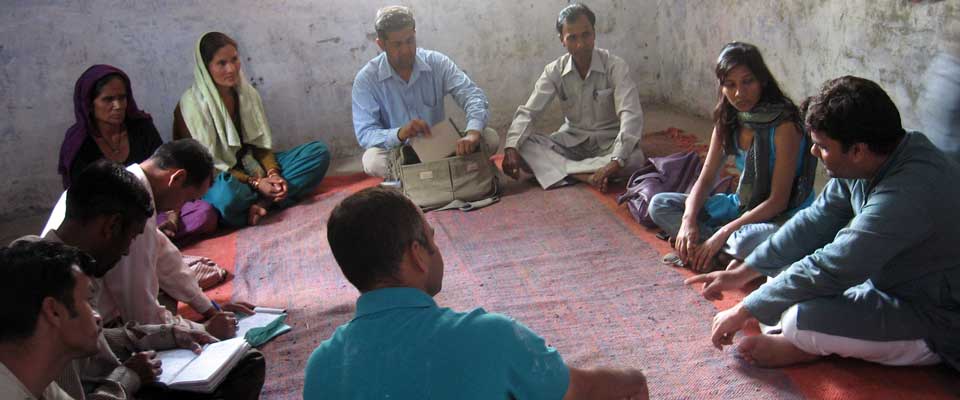
Village committees can coordinate with forest departments, panchayats, veterinary services, researchers, and local NGOs. Their role may include maintaining incident records, checking warning equipment, supporting injured livestock, and reviewing whether a measure is creating new risks. Regular meetings keep responsibilities visible.
Government engagement is especially important when grazing routes, settlement rights, or forest access are disputed. Rights-based work helps ensure that conservation does not displace communities or treat customary pastoral practices as a problem. Fair dialogue can align biodiversity protection with secure livelihoods and responsible resource use.
SOPHIA can help connect community priorities with advocacy, social mobilization, and partnerships across Uttarakhand, Himachal Pradesh, and Uttar Pradesh. Evidence gathered by residents can strengthen policy discussions and encourage public programmes that respond to actual conditions in Himalayan and foothill landscapes.
Practical priorities for safer coexistence
Communities and partner organisations can begin with a focused set of actions:
- Create local wildlife incident registers and seasonal risk maps.
- Improve night shelters, livestock care, and safe herding routines.
- Establish clear channels for alerts, emergency response, and compensation claims.
- Protect water sources, fodder areas, and wildlife movement corridors.
- Include women, youth, pastoral leaders, and vulnerable households in decisions.
Community-based wildlife conflict mitigation becomes durable when it protects dignity as well as biodiversity. Support SOPHIA’s field partnerships, share reliable local information, and help strengthen rights-based conservation across pastoral landscapes. Together, communities and institutions can make forests safer for people, livestock, and wildlife.