




How SOPHIA Builds Community Power in the Terai
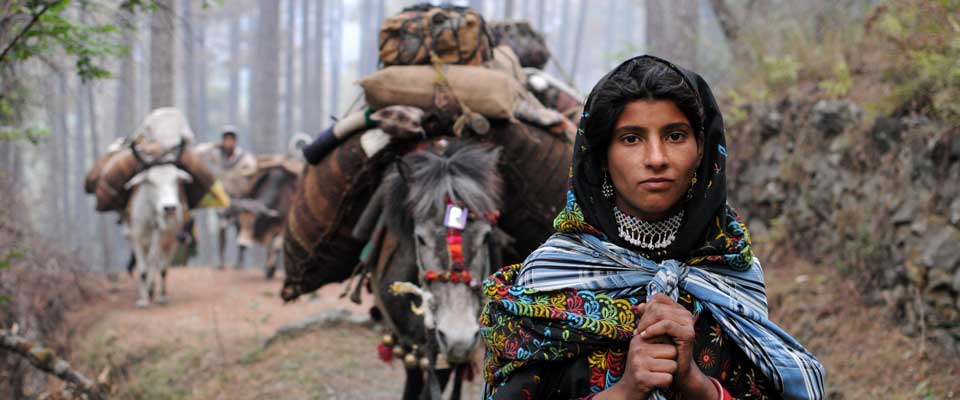
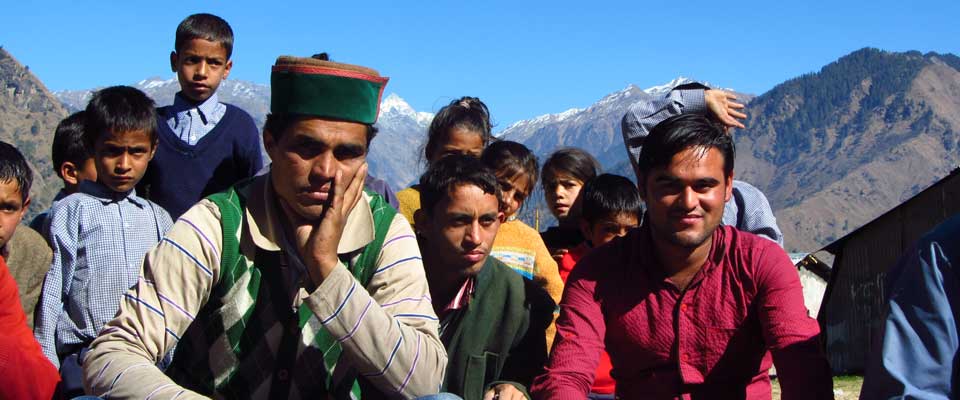
SOPHIA’s community mobilization strategy in the Terai region is rooted in local participation, rights awareness, and sustainable livelihoods. Working with Van Gujjar families and Himalayan village communities, the organization helps people identify shared concerns and build collective responses that reflect their lived experience.
The Terai is shaped by forests, seasonal movement, agriculture, livestock, and complex relationships with public institutions. Communities may face difficulties related to forest access, domicile documentation, displacement, education, healthcare, and reliable markets for milk and livestock products. A durable response must connect these issues rather than treat them as separate problems.
SOPHIA’s approach combines social mobilization, legal and rights-based awareness, government engagement, advocacy, and partnerships with civil society groups. This creates space for communities to speak for themselves while developing practical solutions for family income and environmental stewardship.
Starting with trust and local knowledge
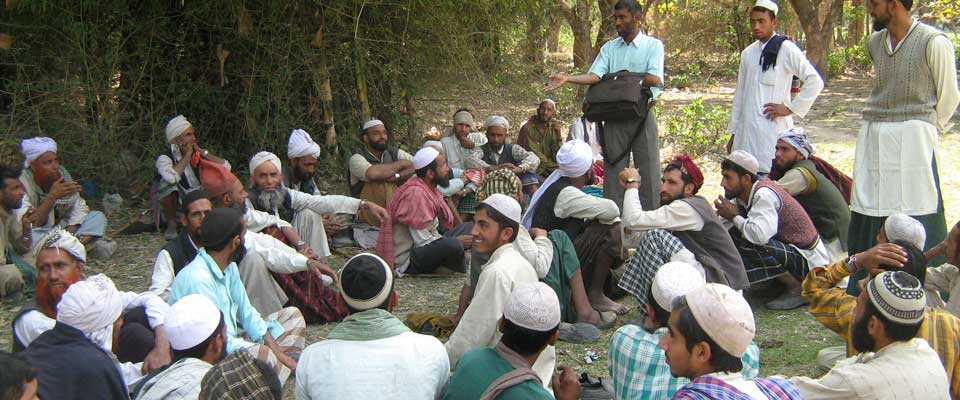
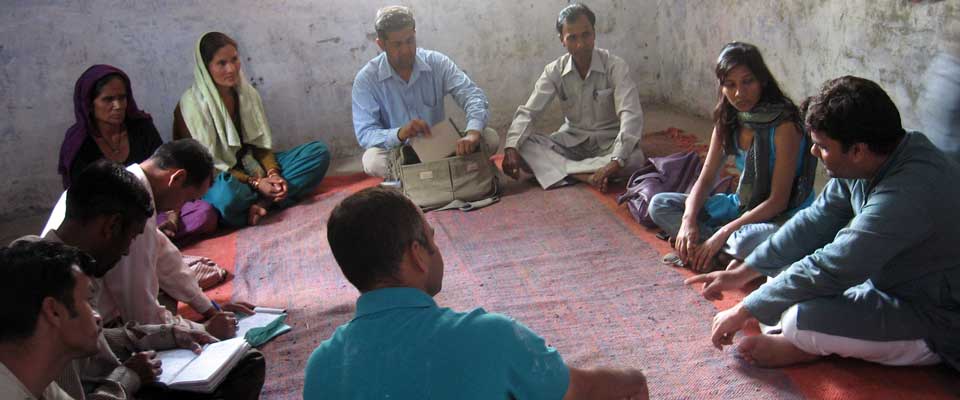
Effective mobilization begins with listening. SOPHIA can work through village meetings, household discussions, community consultations, and local networks to understand how families use forests, manage buffaloes, travel with herds, and respond to changing regulations or economic pressures.
This process recognizes community members as knowledge holders. Van Gujjar pastoralists and Himalayan villagers understand seasonal routes, grazing conditions, water sources, animal health, and local environmental changes. When projects are built around this knowledge, participation becomes more meaningful and proposed actions are more likely to fit local realities.
Linking rights with everyday livelihoods
Rights awareness has practical value when it is connected to household security. Forest rights, domicile rights, access to welfare schemes, and recognition of traditional livelihoods can influence whether families are able to remain secure in their communities.
SOPHIA links advocacy with livelihood support. Buffalo husbandry, veterinary care, fodder planning, milk collection, and fair marketing can strengthen pastoral incomes while preserving culturally important practices. This integrated model helps families see how documentation, public services, land and forest access, and market opportunities affect one another.
Turning participation into collective action
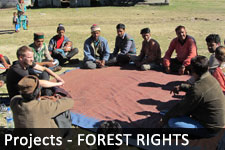
Community meetings become powerful when they lead to organized action. SOPHIA’s work can support the formation of local groups, issue-based committees, producer networks, and village-level leadership structures. These platforms help residents record concerns, share information, and agree on priorities.
Collective action also reduces the burden placed on individual families. A group can approach officials about documentation, seek information on government programs, raise concerns about forest access, or negotiate with milk buyers more effectively than a single household. Regular follow-up keeps mobilization connected to measurable progress.
| Community priority | Practical response | Wider result |
|---|---|---|
| Forest and domicile rights | Rights education, documentation support, and public advocacy | Greater security and recognition |
| Buffalo-based livelihoods | Husbandry guidance, animal health support, and fodder planning | Healthier animals and stronger household income |
| Milk marketing | Producer coordination and market linkages | Fairer prices and reduced dependence on intermediaries |
| Access to services | Dialogue with departments and local institutions | Better reach of welfare, health, and education programs |
| Community leadership | Meetings, training, and participatory planning | Stronger local voice and accountability |
Connecting communities with public institutions
Mobilization is more effective when communities can engage government departments with confidence. SOPHIA’s government engagement and advocacy work can help translate local concerns into applications, memoranda, consultations, and structured dialogue.
The organization also serves as a bridge between residents, officials, and partner NGOs. This role may involve explaining administrative processes, sharing community evidence, tracking commitments, and encouraging institutions to respond. Constructive engagement keeps the focus on rights, services, and accountable implementation.
Strengthening women and youth voices
A community strategy must include the people who often carry significant responsibilities but receive less recognition in public decision-making. Women may manage household livestock, process milk, organize family resources, and contribute essential knowledge about food, health, and income.
Young people can support documentation, communication, digital outreach, and campaign coordination. Their involvement also creates a connection between traditional knowledge and new skills. Inclusive meetings, leadership training, and opportunities for women and youth to represent community priorities can make local institutions more representative.
Building durable partnerships
Complex issues in the Terai require cooperation beyond a single organization. SOPHIA’s partnerships with NGOs, community groups, and public bodies can bring together legal knowledge, livelihood expertise, health resources, research, and communication support.
Partnerships are most useful when communities remain central to decision-making. External organizations can provide resources and technical assistance, but local people should help define goals, monitor activities, and assess results. This protects the process from becoming short-term or externally driven.
Practical ways to support community-led change
Organizations, institutions, and individuals engaging with SOPHIA can contribute by:
- Supporting rights-based awareness programs for Van Gujjar and Himalayan village communities.
- Sharing expertise in buffalo husbandry, veterinary care, fodder management, and milk value chains.
- Helping strengthen documentation, community monitoring, and access to public services.
- Building partnerships that respect local leadership, cultural practices, and pastoral mobility.
- Using responsible storytelling and media to raise awareness without exploiting community experiences.
SOPHIA’s work shows how community empowerment can connect social justice with sustainable pastoral livelihoods. To contribute to this effort, explore the organization’s projects, community initiatives, media archive, and engagement opportunities, then support partnerships that place local voices at the heart of change.