




Buffalo milk: nutrition and income for pastoral communities
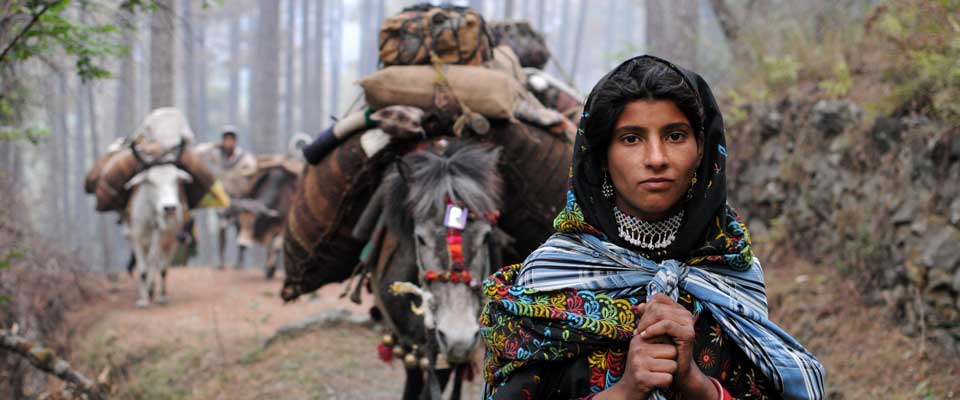
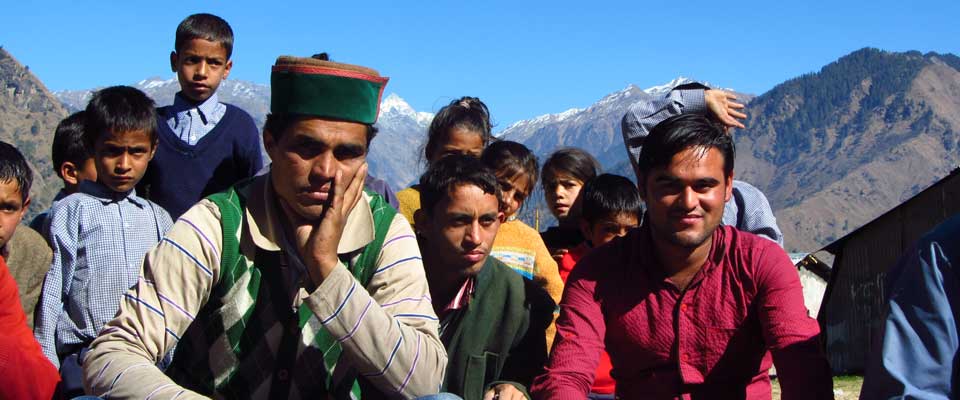
For Van Gujjar and Himalayan village families, buffaloes are more than livestock. They are part of a pastoral system that connects forests, seasonal migration, household food security, and local trade. Milk from a healthy buffalo can strengthen daily nutrition while creating regular cash income.
Buffalo milk is valued for its rich taste, higher fat content, and versatility. Families may drink it fresh, turn it into curd or butter, make ghee, or sell it to nearby households and collection points. These choices help communities manage changing expenses across the year.
The benefits depend on secure access to grazing areas, veterinary care, fair markets, and rights that protect traditional livelihoods. A community-based approach can help pastoral households retain greater control over the value created by their animals.
A nutrient-rich part of the household diet
Buffalo milk supplies protein, calcium, phosphorus, vitamin B12, and energy from its natural fat content. These nutrients support bone development, muscle maintenance, and everyday physical work. For children, older people, and families with limited access to diverse foods, fresh dairy can be an important part of a balanced diet.
Its thicker texture makes buffalo milk suitable for curd, paneer, lassi, and other traditional preparations. Fermented products can add variety to meals and may be easier for some people to digest. Safe milking, clean storage, and adequate heating remain essential for protecting food quality.
Nutrition also depends on the buffalo’s feed and health. Access to seasonal grasses, clean water, mineral supplements, and timely treatment influences both the quantity and composition of milk. Better animal care therefore supports household wellbeing from two directions: more nourishing food and a more dependable supply.
Turning milk into reliable household income
Milk sales can provide frequent, small payments that help families buy food, school supplies, medicines, animal feed, and household necessities. This regular flow of income is especially valuable for pastoral households whose earnings may vary with seasonal work, livestock sales, or access to forest resources.
Households can improve returns by selling products with greater value rather than marketing all milk as a raw commodity. Curd, ghee, paneer, and clarified butter may travel more easily and remain usable for longer. Collective processing can also reduce equipment costs and create local work for women and young people.
Fair pricing is central to this opportunity. Producers need accurate weighing, transparent fat testing, prompt payments, and transport arrangements that reflect the distance from remote settlements. When several families negotiate or sell together, they may gain stronger bargaining power with traders and dairy institutions.
Quality, care, and market value
Milk quality begins before milking. Buffaloes need nutritious fodder, shade, clean water, hygienic housing, and protection from preventable diseases. Regular vaccination, deworming, breeding support, and access to trained animal health workers can reduce losses and maintain productive herds.
The following factors connect household practices with both nutrition and earnings:
| Factor | Benefit for the family | Effect on income |
|---|---|---|
| Balanced feed and clean water | Supports animal health and milk composition | Helps maintain steady production |
| Hygienic milking | Reduces contamination risks | Builds buyer confidence and market access |
| Veterinary services | Prevents illness and production losses | Protects the value of the herd |
| Cold storage or prompt processing | Preserves freshness and safety | Reduces spoilage and rejected milk |
| Collective marketing | Improves coordination and bargaining | Can secure fairer prices |
Local knowledge remains an important resource. Pastoral families understand seasonal routes, fodder availability, animal behavior, and traditional dairy processing. Combining this experience with appropriate veterinary and market support can produce practical solutions suited to mountain and forest landscapes.
Rights and services that protect livelihoods
Dairy income is difficult to sustain when families face insecure access to pasture, forests, migration routes, or village services. Recognition of forest and domicile rights can give indigenous pastoralists greater stability and a stronger basis for planning herd care and milk production.
Government programs may offer support for livestock vaccination, fodder development, dairy equipment, training, and credit. Yet remote communities can struggle with paperwork, information gaps, or limited access to officials. Understanding government schemes and connecting them with local priorities can make public support more useful.
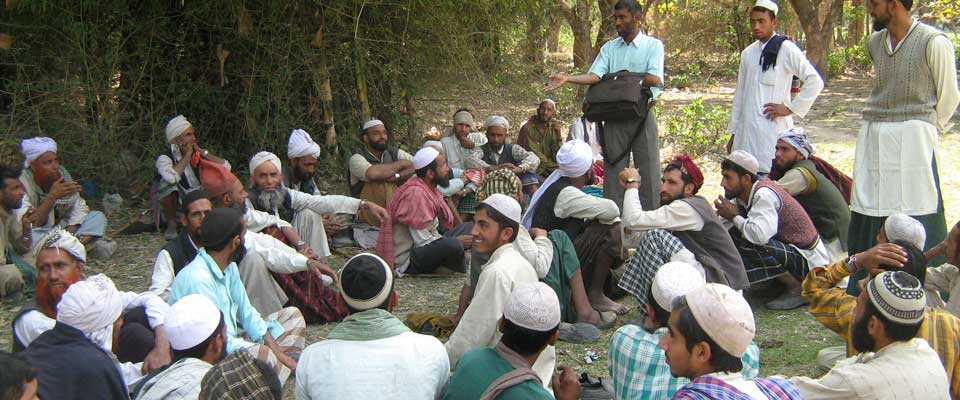
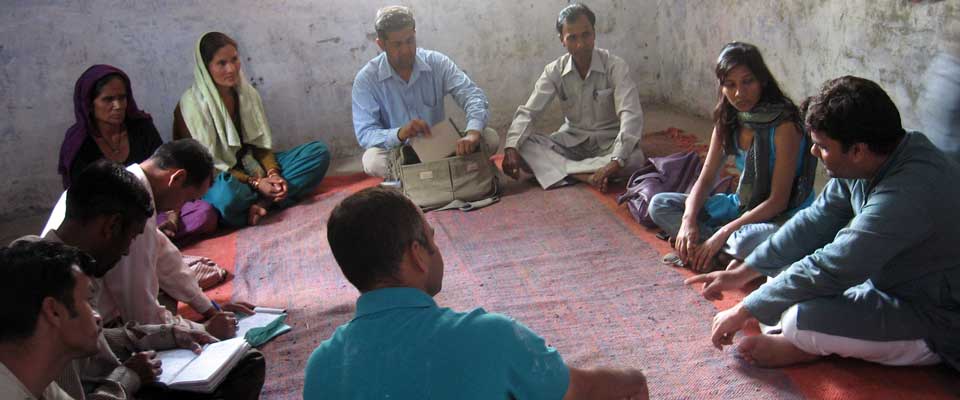
Rights-based organizations and community groups can help families document needs, engage with departments, and monitor whether services reach the settlements intended. This engagement should respect community decisions and strengthen local leadership rather than replace it.
Women’s work and community enterprise
Women often manage milking, household processing, animal feeding, and the preparation of dairy products. Their knowledge is central to milk quality and food use, while their unpaid labor may remain invisible in income calculations. Recognizing this contribution is essential for equitable livelihood planning.
Women’s groups, producer collectives, and savings groups can create space for shared processing, record keeping, marketing, and financial decisions. Training in hygiene, packaging, bookkeeping, and pricing can help convert daily dairy work into greater control over household and community income.
Young people can also find meaningful roles in veterinary assistance, digital payments, transport coordination, quality testing, and local branding. These opportunities may make pastoral livelihoods more attractive while preserving knowledge across generations.
Priorities for stronger dairy livelihoods
A practical program should respond to the full chain, from pasture and buffalo health to household consumption and final sale. The following priorities can help communities build lasting value:
- Improve access to mobile veterinary care, vaccination, mineral supplements, and fodder resources.
- Establish transparent milk collection systems with reliable weighing, testing, and payment records.
- Support women-led dairy groups with equipment, training, safe processing spaces, and market connections.
- Protect grazing access, seasonal migration routes, water sources, and community forest rights.
- Promote nutrition education alongside responsible packaging, storage, and local dairy enterprise development.
Buffalo milk can strengthen food security and create dignified income when communities have the rights, services, and market relationships needed to manage their own resources. Supporting SOPHIA’s work through partnership, responsible engagement, or contributions can help advance indigenous rights, sustainable pastoral livelihoods, and community-led dairy development across the Himalayan region.