



Keeping Learning Alive for Children of Migrating Herders
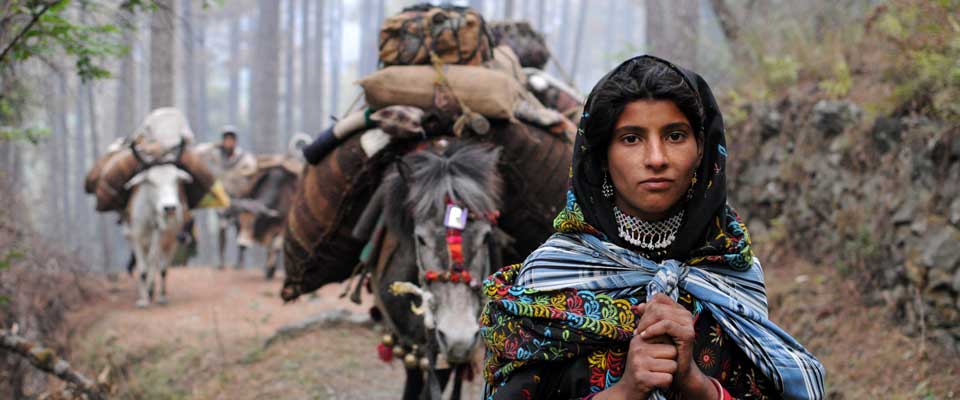
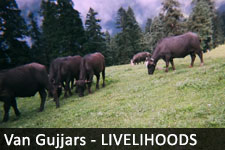
For Van Gujjar and other pastoral families, seasonal movement is central to livelihood, culture, and survival. Families travel with buffalo herds between forest grazing areas and village settlements, often crossing long distances in Uttarakhand, Himachal Pradesh, and Uttar Pradesh. Children move with them, making regular attendance at a single school difficult.
Education access for these children is shaped by mobility, remoteness, documentation, language, household responsibilities, and the limited availability of residential or mobile learning services. A suitable response must respect pastoral life while ensuring that children can build literacy, confidence, and opportunities for the future.
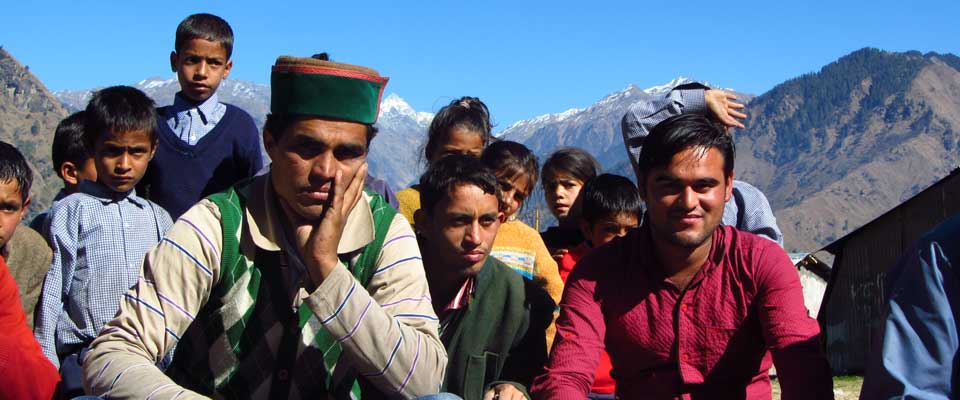
SOPHIA works with Himalayan and forest communities through rights-based projects, social mobilization, advocacy, and engagement with public institutions. Supporting the education of migrating herder children fits within this broader effort to strengthen dignity, recognition, and sustainable livelihoods.
Why Seasonal Movement Interrupts Schooling
A child may begin the academic year in a permanent village and spend several months with the family’s herd in a forest or highland camp. The route may pass through areas without nearby schools, transport, electricity, or reliable mobile connectivity. Returning to class after a long absence can leave the child far behind classmates.
School calendars are generally designed for settled households. They rarely account for migration schedules, changing grazing conditions, or the need for children to help with buffalo husbandry, collecting fuel, preparing meals, and caring for younger siblings. These responsibilities can make daily attendance impossible even when a school technically exists.
Barriers Beyond Distance
Admission and transfer procedures may create additional obstacles. Families can struggle to provide birth certificates, identity documents, previous school records, or proof of residence when they live across districts and move between forest settlements. Children may also be treated as temporary residents, limiting access to entitlements intended for all learners.
Language and social exclusion affect participation as well. A child who speaks a community language at home may need support to learn in the dominant classroom language. Fear of punishment, unfamiliar teaching methods, or discrimination can make re-entry especially difficult after migration.
Reliable information about where families travel is essential for planning. Community-led migration route mapping can help education departments identify temporary settlements, estimate the number of children needing support, and coordinate services across administrative boundaries.
Learning Models That Follow Families
Seasonal hostels can provide a safe place for children to remain near a permanent school while parents migrate. Such facilities need trained caregivers, nutritious food, health support, and regular communication with families. They should be developed through consultation rather than imposed as a substitute for community life.
Mobile education centres and travelling teachers offer another option for families who remain together. Lessons can be organized around migration cycles, with flexible schedules, small learning groups, and locally relevant materials. Basic literacy, numeracy, environmental knowledge, and digital skills can be taught without separating children from their households.
Bridge courses are valuable when learners return after months away. Short diagnostic assessments can identify gaps without labelling children as failures. Teachers can then provide accelerated support, peer learning, and individual study plans that help children rejoin age-appropriate classes.
| Education approach | Best suited for | Key support required | Main limitation |
|---|---|---|---|
| Seasonal hostel | Children whose families migrate for long periods | Caregivers, food, safety, family contact | Separation from parents |
| Mobile learning centre | Families moving through known routes | Travelling educators and learning kits | Coverage may vary by route |
| Flexible local school | Families with shorter or predictable migration | Attendance adjustments and teacher planning | Depends on school cooperation |
| Bridge course | Children returning after interruption | Assessment and catch-up teaching | Requires continuity afterward |
| Distance or digital learning | Older children with device access | Connectivity, devices, mentoring | Weak option in remote camps |
Linking Education With Community Rights
School access improves when families are recognized as rights-bearing citizens rather than treated as invisible or temporary populations. Domicile rights, forest rights, identity documentation, and access to public services all influence whether children can enter and remain in education systems.
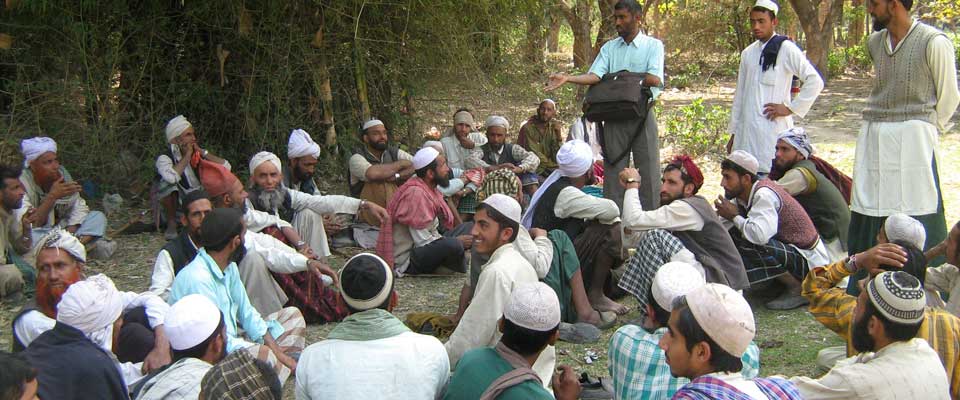
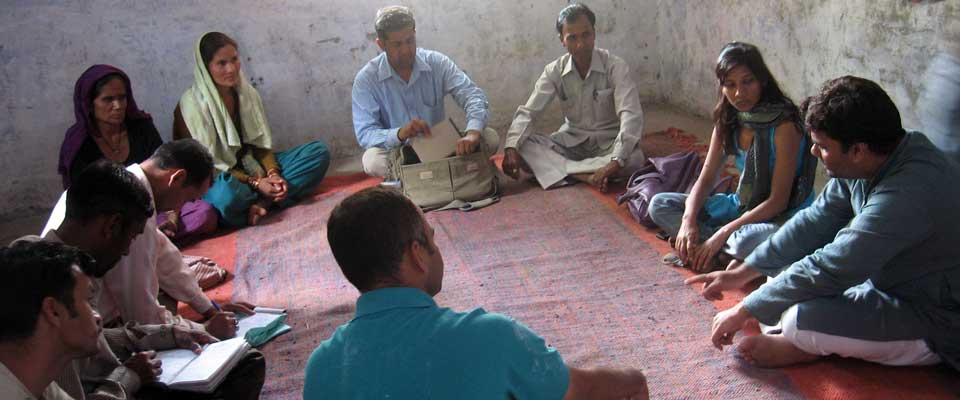
Community meetings can help parents understand enrolment procedures, scholarships, hostels, transport support, and grievance channels. Local leaders, women’s groups, youth, and teachers should participate in planning so that solutions reflect migration realities and protect cultural identity.
Partnerships between NGOs, schools, panchayats, district authorities, and tribal or minority welfare departments can reduce duplication. Shared records, referral systems, and periodic reviews make it easier to track children across locations while protecting personal information.
Practical Steps for Inclusive Learning
The most effective programmes combine public responsibility with community participation. They should be designed around actual migration patterns and reviewed each season rather than relying on a fixed assumption about where families live.
Useful priorities include:
- Record children’s learning needs before families leave their winter or summer settlements.
- Provide portable learning kits with books, writing materials, activity sheets, and age-appropriate local content.
- Train teachers to support multilingual classrooms and children returning after interrupted attendance.
- Create simple systems for transferring school records between districts and states.
- Include girls’ safety, menstrual health, nutrition, and protection from child labour in every education plan.
These measures can also strengthen household resilience. When children receive consistent learning support, parents gain greater confidence in maintaining livelihoods without sacrificing their children’s future. Education services should complement pastoral knowledge and buffalo husbandry, not dismiss them.
Measuring Progress With Dignity
Success should be measured through more than enrolment figures. Attendance across migration seasons, continuity between schools, reading and numeracy progress, retention of girls, access to documents, and children’s sense of safety all reveal whether a programme is working.
Children and parents should help evaluate services. Their feedback can identify unsuitable schedules, unsafe routes, inadequate accommodation, or teaching materials that do not reflect their lives. Community monitoring also encourages public agencies to meet their responsibilities.
SOPHIA can contribute through social mobilization, field documentation, advocacy, and engagement with government and partner organizations. Its work with Van Gujjar and Himalayan villages offers a foundation for solutions that are practical, respectful, and rooted in local knowledge.
Every child should be able to continue learning while travelling with their family. Support SOPHIA’s efforts by sharing community experiences, building partnerships, volunteering skills, or contributing resources for flexible education services in pastoral settlements.