




Why Van Gujjar Families Often Name Their Buffaloes After Deities
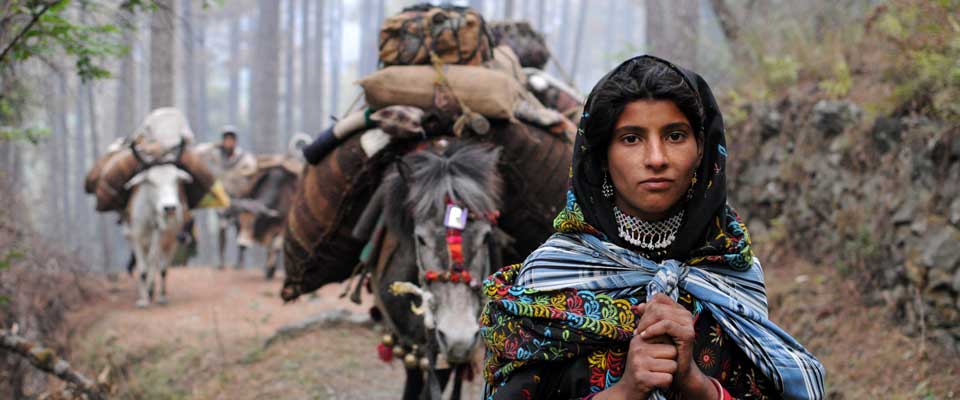
Among Van Gujjar pastoral families in Uttarakhand, Himachal Pradesh and Uttar Pradesh, a buffalo may receive the name of a deity rather than a number or practical identifier. The custom is part of a wider relationship in which cattle are household partners, sources of milk and manure, and links to forest grazing, seasonal movement and shared village life.
Names such as Gauri, Lakshmi, Durga or Krishna can carry hopes for prosperity, protection, fertility and safe movement through the Himalaya. Family and community circumstances shape each choice, so the practice is never uniform. Its meaning becomes clearest when the naming is understood alongside buffalo husbandry, pastoral livelihoods and the rights-based work supported by SOPHIA.
A Buffalo Named as a Family Relative
Individual names help herders distinguish animals, track their health, calves, milk production and movements through forest and grazing routes. During seasonal migration, a buffalo’s history can be remembered through its name, creating continuity between pastures, villages and family networks.
Giving a buffalo a deity’s name goes beyond practical identification. It expresses affection and invokes qualities associated with that divine figure. The animal becomes more than an asset or source of income: it is a living relationship worthy of attention, gratitude and care.
Deities, Auspiciousness and Protection
Himalayan pastoral life involves exposure to difficult weather, water shortages, disease, landslides and long journeys with livestock. A deity name can serve as an auspicious wish, particularly around a successful calving, a strong flow of milk or a safe return from high-altitude grazing.
Different figures carry different associations. Gauri resonates with mountain landscapes, fertility and the buffalo’s place in local life. Lakshmi represents abundance and generosity, Durga offers protection and strength, and Krishna evokes cattle, nourishment and a flourishing herd. Exact choices vary between households, communities and family beliefs.
Livelihood, Mobility and Belonging
The buffalo anchors many Van Gujjar household economies. Its milk may be consumed, exchanged, processed or sold, while its dung contributes to soil fertility and its survival supports the family through seasonal change. A personal or devotional name can acknowledge the care behind a reliable milk supply.
Seasonal movement also makes names a portable form of memory. They connect particular animals with journeys, pastures and family histories. In regions where forest access and domicile rights remain contested, recognising pastoral relationships with livestock and land is closely connected to cultural survival. SOPHIA’s support for sustainable pastoral livelihoods, buffalo husbandry and milk marketing addresses these economic and cultural dimensions together.
Meanings Carried by Deity Names
The associations carried by these names are varied rather than fixed:
- Lakshmi can represent prosperity, generosity and a well-fed household.
- Gauri can evoke mountain landscapes, fertility and the enduring presence of the buffalo.
- Durga can express a wish for strength and protection during hardship.
- Krishna can signify cattle, nourishment and the flourishing of the herd.
- Shiva can represent endurance, transformation and the sacred relationship between people and animals.
A name may also record a family’s circumstances and shared history:
- Gratitude for a safe calving or a season of dependable milk.
- Hope for survival during migration or through a difficult winter.
- The bond between a particular animal and the people who care for it.
- Continuity of language, memory and belonging across generations.
These meanings can overlap within one name. The family that gives a buffalo its name remains the best authority on its personal significance, and respectful interpretation should avoid treating a shared custom as identical in every household.
Himalayan Naming in an Australian Context
Victoria is Australia’s largest dairy-producing state, and Melbourne is a major gateway for its dairy industry. At places such as Queen Victoria Market, and through supermarkets and independent processors, milk is commonly sold with information about origin, animal welfare and food safety. A named buffalo offers a vivid reminder that behind an anonymous carton of milk are particular animals, households and pastoral landscapes.
In Sydney, Indian and broader South Asian communities maintain temples and celebrate occasions such as Navratri, Diwali and Ganga Dussehra. Some households give animals devotional names, although their circumstances differ greatly from those of Van Gujjar herders. The parallel nevertheless highlights how names can express reverence, affection and responsibility within Australian homes and farms.
Drought, bushfires and water insecurity are familiar concerns across eastern Australia. Although the ecology of Himalayan pastures is very different, dairy farmers in Australia also face unstable seasons and pressure on water supplies. Australian dairy networks, local markets and ethical consumers can therefore engage with community-led milk systems that keep producer rights, animal wellbeing and market access connected.
Support Community-Led Change
The clearest response is to support SOPHIA’s work through its website, whether by contributing funds, building partnerships with Australian or Indian organisations, or helping amplify community voices and the organisation’s media archive. Partnerships can place practical resources behind buffalo health, milk quality, sustainable pastoral livelihoods and stronger access to markets.
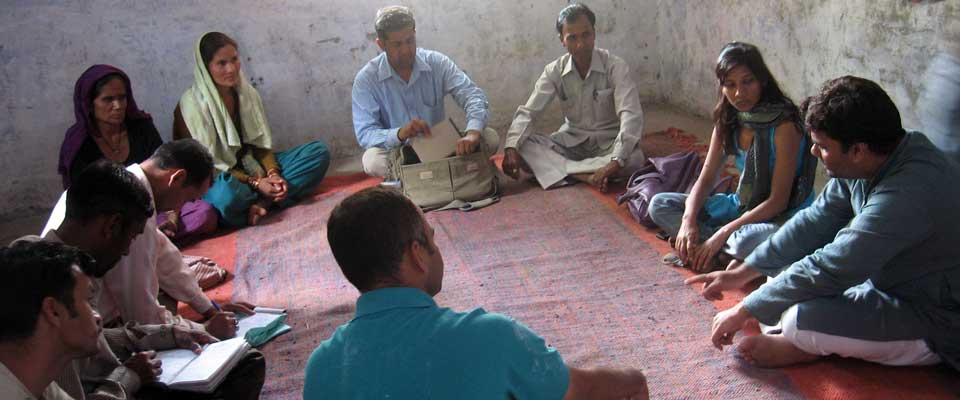
Backing community mobilisation, advocacy and government engagement helps ensure that decisions about forests, domicile, livestock and milk are shaped by the people who depend on them. Support for SOPHIA strengthens Indigenous rights while helping Van Gujjar families sustain their buffalo husbandry, cultural traditions and economic independence.