



Van Gujjar Perspectives on Hydropower in Migration Corridors
This article examines Van Gujjar views on the proposed hydroelectric projects in their migration corridors, where seasonal movement with buffalo is tied to grazing access, social ties and customary use of forest and high-altitude pasture. The issue is not simply whether electricity should be generated, but who decides how land, water and routes are used, and whether benefits reach the people whose livelihoods make the landscape work.
SOPHIA, an Indian registered non-governmental organisation working with Van Gujjar and Himalayan village communities in Uttarakhand, Himachal Pradesh and Uttar Pradesh, frames public engagement around indigenous rights, sustainable pastoralism and community empowerment. For an Australian audience, the discussion offers a grounded comparison with renewable-energy planning, water allocation and regional development.
Seasonal Routes Shape the Discussion
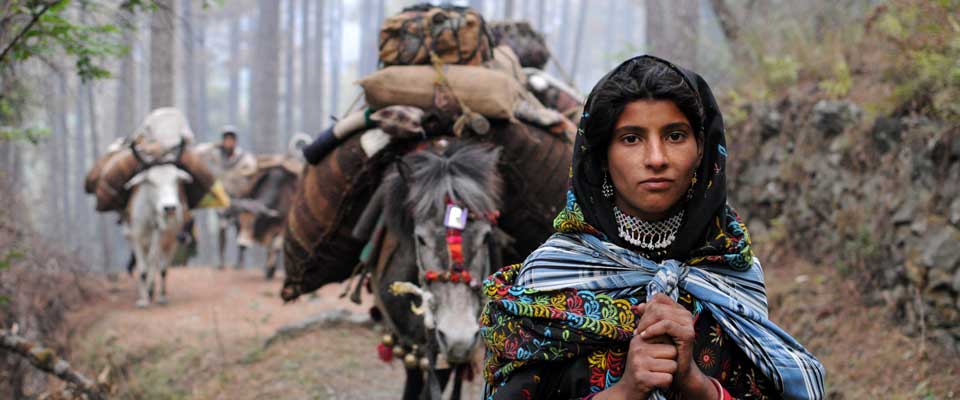
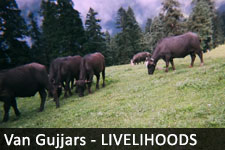
Van Gujjar pastoralism depends on seasonal mobility. Buffalo herds move between village areas, forest land and alpine grazing grounds as pasture conditions and weather change. A proposed dam, access road, transmission corridor or fenced reserve can affect several migration routes even when it occupies only a small part of the wider landscape.
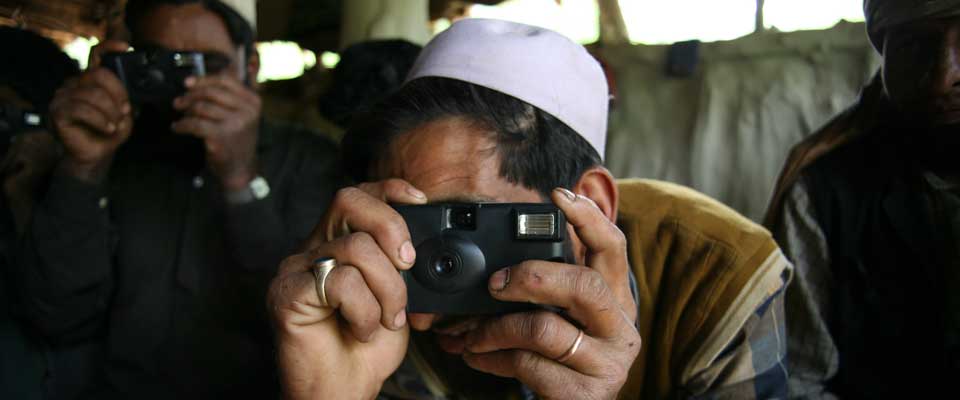
Reliable route mapping is therefore essential. Community members can identify stopping places, water sources, rest areas and seasonal restrictions that may not appear in a project drawing. Visual records can add context, and Alacolorado photography illustrates the value of place-based imagery, provided photographs are not presented as substitutes for community testimony.
Forest Rights and Project Design
The central concern is recognition of forest and domicile rights associated with customary occupation and use. India’s Forest Rights Act provides a framework for these claims through community processes, including Gram Sabha involvement and government review. A public hearing alone cannot replace the careful assessment of land use, common resources and collective consent.
Hydropower impacts also vary by project design. Reservoirs may inundate forests and fragment habitats, while run-of-river schemes can alter water flows, grazing access and downstream livelihoods. A credible assessment should consider cumulative effects, displacement, compensation, livelihood restoration and the future of buffalo husbandry rather than treating these as separate technical issues.
Lessons from Australian Energy Transitions
Cooma and the Snowy Mountains provide a familiar Australian reference point for debates about upgrading large hydro infrastructure, including Snowy 2.0. The regional discussion connects renewable electricity with alpine grazing, tourism, employment and the interests of nearby communities. Any comparison with the Himalaya must respect their differences in law, ecology and social organisation.
In the Blue Mountains, residents also encounter proposals for wind farms, transmission lines and other energy developments, often using expressions such as “have your say”, “clean energy” and “community benefit agreement”. These phrases can support meaningful participation, but they can also conceal disagreements about who receives financial benefits and who carries environmental costs.
Australia’s National Electricity Market shows how power is traded between generators, retailers and customers across eastern states. Snowy output reaches consumers through wholesale contracts rather than through a local town monopoly. The comparison highlights a parallel question in India: whether energy revenues remain with distant companies and governments or support services, enterprise and secure livelihoods in the project’s mountain region.
Community Evidence and Practical Choices
A rigorous community evidence base should include:
- Maps of seasonal buffalo routes drawn and verified by herders
- Separate evidence from women, non-herding households and other affected groups
- Baseline data on pasture condition, herd health, water sources and household income
- A cumulative assessment of multiple dams, roads and transmission projects
- Public summaries explaining disputed findings and agreed evidence
Project decisions should address:
- Participation before sites, designs and compensation packages are fixed
- Protection of access to forest, water, pasture and sacred places
- Affordable, long-term support for veterinary care, feed and transport
- Benefit systems that recognise collective pastoral livelihoods rather than only land purchases
- Independent monitoring, accessible grievance processes and public reporting
Livelihoods also need visible economic returns. SOPHIA’s community milk marketing initiative demonstrates how collective production, processing and market access can strengthen a pastoral economy. Such enterprises can complement income from hydroelectric development, provided communities retain control over branding, prices and the movement of milk.
Support Equitable Mountain Partnerships
SOPHIA’s work demonstrates how rights-based projects combine social mobilisation, advocacy, government engagement and partnerships with other NGOs. Australian supporters can help by sharing community-led evidence, approaching energy and development partners for support, and encouraging planners to treat pastoral routes as core infrastructure rather than an incidental social issue.
Funders can also support forest-rights monitoring, women’s participation, buffalo health services, milk value chains and transparent benefit negotiations. A durable energy transition in the Himalaya depends on enforceable protections, meaningful local authority and accountable relationships long after project approval.