



Van Gujjar Stories from Leopard and Bear Country
In the forests of Uttarakhand, the night is shaped by sounds: buffalo bells, branches shifting in the dark, and the warning calls of animals moving beyond the firelight. For Van Gujjar families, encounters with leopards and bears are part of a demanding pastoral life, connected to seasonal migration, forest access and the care of buffalo herds.
These stories are not wildlife adventure tales. They reveal how Indigenous communities read tracks, protect livestock, manage risk and live with animals whose habitat overlaps with grazing routes. For Australians familiar with bushwalking near Brisbane, cattle country outside Melbourne or remote pastoral stations, the balance between livelihood and wildlife may feel recognisable, even though the Himalayan landscape is very different.
Life Along Seasonal Forest Routes
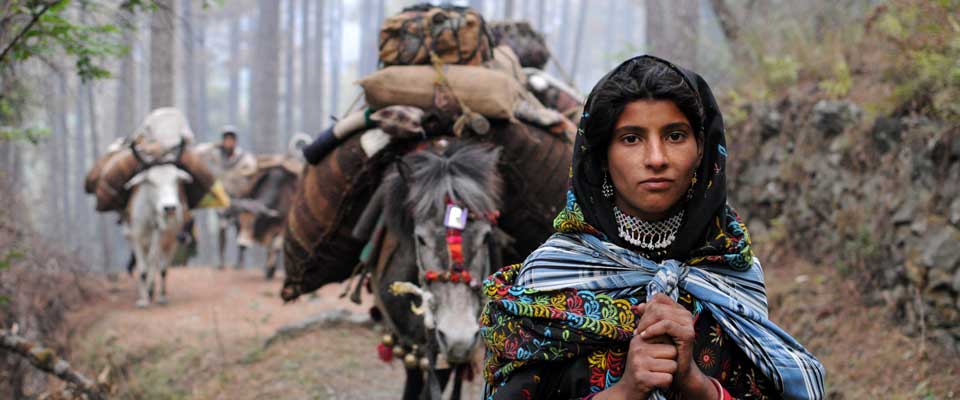
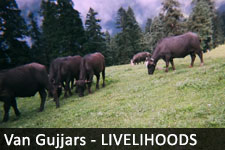
Van Gujjar families traditionally move with their buffalo between forest and foothill areas as seasons change. Their shelters, grazing grounds and travel routes are shaped by water, fodder and official forest rules. A leopard may approach quietly at dusk, while a Himalayan black bear can appear suddenly near fruiting trees, streams or a camp edge.
Families learn to notice small changes: buffalo becoming restless, birds giving unusual calls, fresh pugmarks in damp soil or broken branches along a path. Children are taught to stay close to adults after dark, and herders often keep animals together rather than allowing them to scatter in thick vegetation. Such knowledge is practical, shared and refined over generations.
When Leopards Come Near the Herd
Leopards are elusive, yet they may target young or isolated buffalo calves when forest cover brings them close to grazing areas. A missing animal can mean lost milk, reduced household income and greater pressure on a family already managing long journeys. The emotional impact is equally real, particularly when a familiar animal has been raised for years.
Van Gujjar accounts often describe watchfulness rather than confrontation. People use firelight, voices, bells and group movement to discourage a leopard from approaching. They also understand that chasing or cornering a wild animal can increase danger. This careful response reflects coexistence in practice: protect the herd while leaving the predator a route to retreat.
Bears, Food Stores and Sudden Encounters
Bear encounters carry a different kind of fear. A bear may be searching for insects, roots, fruit or food left near a temporary settlement. Thick vegetation and poor visibility can bring a person and a bear together without warning, especially at dawn or dusk. The safest response is generally to create distance, avoid provoking the animal and alert others.
For communities living with limited transport and patchy access to emergency services, prevention matters. Food is stored carefully, paths are used in groups and people remain alert near dense cover. These realities may resonate with Australians who follow track closures, carry water in the outback or check fire and wildlife notices before a bushwalk, though Himalayan forest life involves its own distinct risks and traditions.
Rights, Conservation and Everyday Security
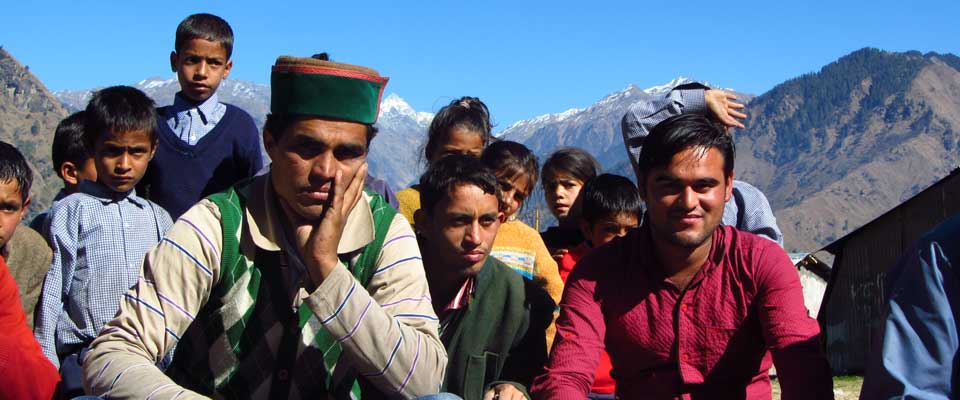
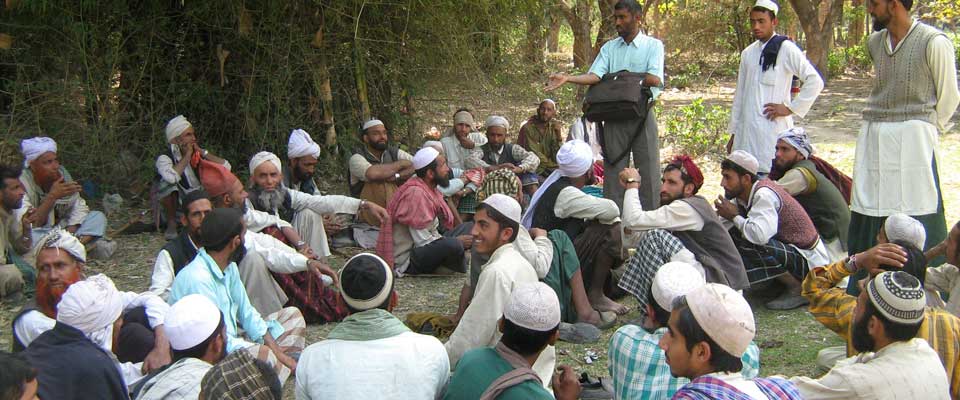
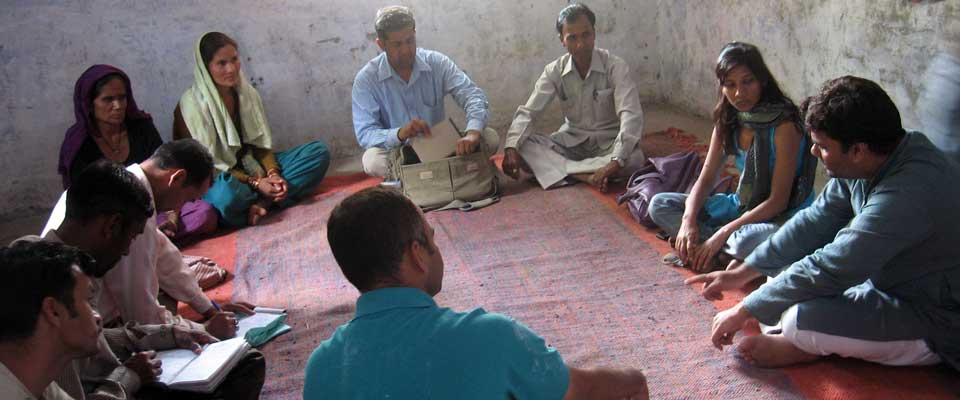
Wildlife protection cannot be separated from the rights of the people who depend on forests. Restrictions on grazing, settlement and movement can affect milk production, schooling, health care and access to markets. SOPHIA’s work with Van Gujjar communities places community voices within wider discussions about forest rights, pastoral livelihoods and government policy.
A fair conservation approach listens to herders alongside forest officials and researchers. It supports reliable compensation after livestock loss, safer reporting systems and practical measures that reduce conflict. It also recognises buffalo husbandry and milk marketing as economic activities, rather than treating pastoral families only as a pressure on protected landscapes.
Lessons for Australian Wildlife Conversations
Australian audiences know that wildlife stories can be distorted when they are reduced to fear. In Sydney’s outer bushland, a discussion about snakes or wallabies may involve habitat loss, pets, track design and responsible behaviour as much as the animal itself. The same broader principle applies in the Himalayas: encounters are shaped by land use, food, climate, policy and household survival.
There is also a material connection through outdoor life. People preparing for a Blue Mountains walk or a winter trip in Tasmania often value durable clothing and practical layers; the same respect for field conditions can be seen in mountain fieldwear, although Van Gujjar families rely on long-established local knowledge rather than recreational equipment. Their stories invite a deeper understanding of conservation as a shared social responsibility.
Support organisations that place community experience at the centre of forest and wildlife work. Learn about SOPHIA’s projects, share responsible accounts of Van Gujjar life, and help strengthen rights-based approaches that protect both pastoral livelihoods and the animals of the Himalayan forest.