



Van Gujjar children’s stories about the Rain God and the buffalo herd
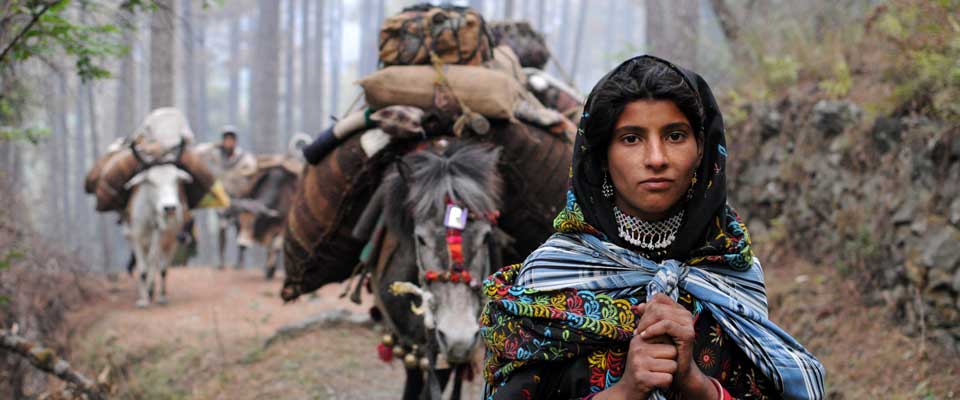
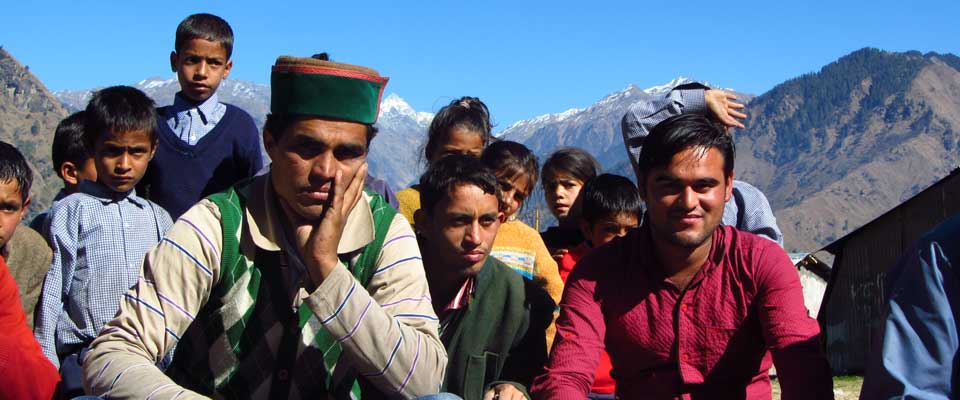
Children in Van Gujjar and Himalayan village communities grow up close to rain, buffalo, forest paths and seasonal pasture. Their stories bring these familiar forces together, turning the coming storm, the movement of a herd and the work of daily life into shared imaginative knowledge.
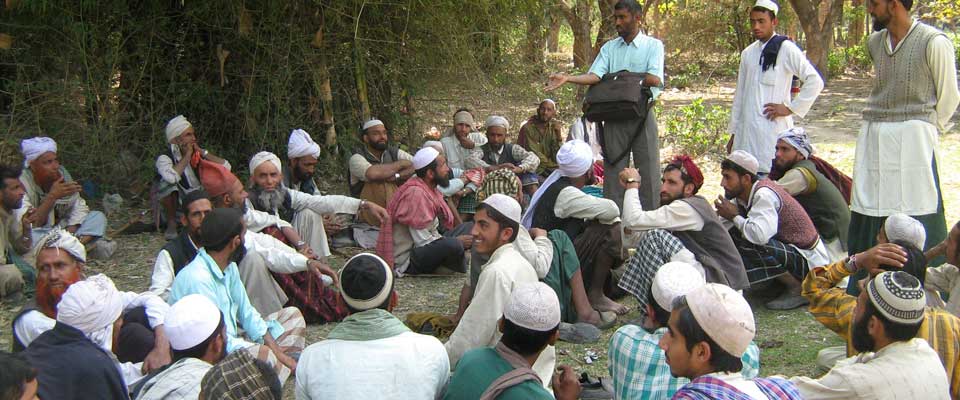
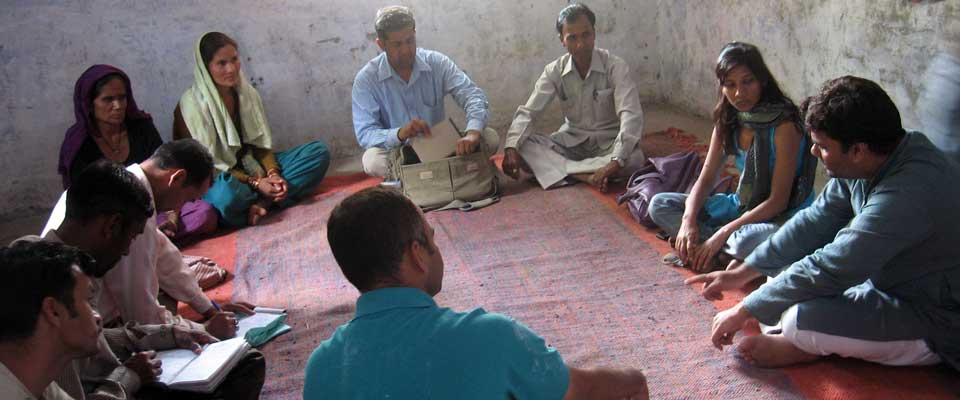
Those narratives belong to a living culture rather than a single fixed tale. Through rights-based projects, social mobilisation, advocacy and partnerships, SOPHIA supports communities in Uttarakhand, Himachal Pradesh and Uttar Pradesh while protecting forest and domicile rights and sustainable buffalo livelihoods.
Rain that gives the pasture life
Rain in these stories is both weather and a relationship. Children watch clouds gather above ridges, listen for thunder and connect the arrival of water with green grass, full streams and the return of animals. The Rain God becomes a presence through which the changing mountain world can be understood.
Accounts differ between households and generations, yet a recurring pattern links the deity with the buffalo herd. In some tellings, the herd acts as a guide towards rain; in others, the Rain God directs animals towards water and shelter. Children can therefore enter the story through familiar journeys and observations of their own.
A herd that carries the story
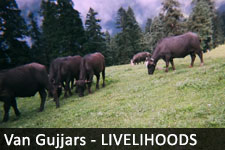
For buffalo-owning families, the animals represent food, income and independence as well as movement through the landscape. Milk supports household nutrition and can be sold, while careful herd management helps families sustain their livelihoods. Stories give this economic importance a human and spiritual dimension.
The herd’s route also records the availability of pasture and water. When grass, streams or grazing access change, families face pressure on their livelihoods. The children’s stories preserve a sense of connection between animal, forest and mountain, even when the animals have not physically travelled the same way.
Stories carried through play
Children often learn these narratives through conversation, imitation and play rather than from a written textbook. Repeated characters and ideas become part of games, jokes and everyday speech. An older child’s retelling may include details that a younger sibling later repeats with a different ending.
Because the stories travel orally, they can adapt to new experiences while retaining central themes. They also teach children to observe their surroundings closely: clouds, animal behaviour, changing paths and the signs of a dry season. Knowledge and imagination remain intertwined without being separated into formal lessons.
Water, forest and daily life
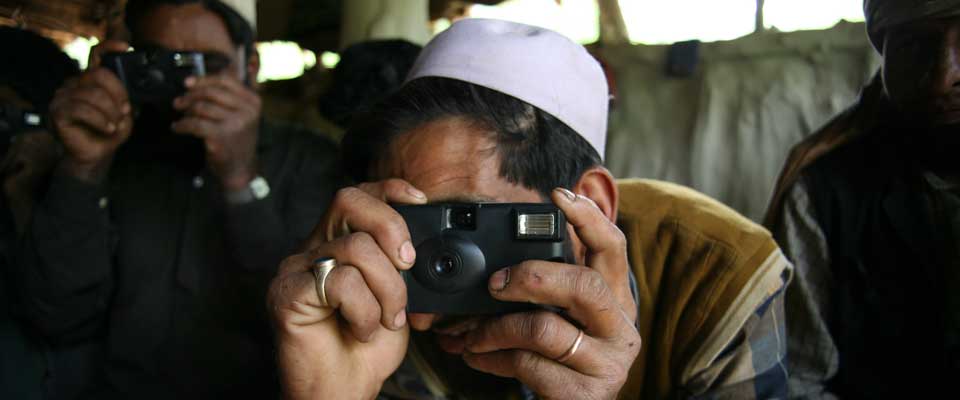
Access to forests, grazing areas, water and a secure place to live shapes the setting in which these stories grow. Van Gujjar communities have faced conflicts over forest use, land access and village residence, making collective rights essential to both daily life and cultural continuity. SOPHIA’s photograph and media archive offers visual context for the landscapes and communities behind this work.
Reliable water and grazing routes cannot be separated from buffalo husbandry. When families lose access to these resources, milk production and local markets are affected. Supporting sustainable pastoral livelihoods therefore means strengthening community knowledge, government relationships and appropriate infrastructure at the same time.
Listening with cultural respect
Retelling these stories requires care. The Rain God and buffalo herd should not be treated as picturesque symbols or detached from the people who share them. Community members may hold different versions, and some knowledge is more appropriate to share than others.
Australian readers can approach the stories through their literary qualities while recognising the land and livelihood at their centre. Learning about SOPHIA’s advocacy, partnerships and community-led projects also helps place oral traditions within their wider social setting rather than presenting them as relics of the past.
Connections with Australian life
Australian seasons will feel familiar to many readers, although the Himalayan monsoon has its own rhythm. In Sydney and Melbourne, families check Bureau of Meteorology forecasts, carry rain jackets and change picnic or walking plans when showers arrive. Shared experiences of uncertain rain can open a respectful conversation about how water shapes work and movement.
Market habits also create points of contact. Shoppers at Melbourne farmers markets may speak directly with cheese and dairy producers, while many buy packaged milk through Coles or Woolworths. Labels showing place of origin reflect a consumer interest comparable to questions about where milk is produced and how animals are raised.
Australian law provides another point of reference. The Native Title Act 1993 recognises Indigenous title claims, while state governments administer many pastoral lease and water regulations. These frameworks differ substantially from Indian law and the situations faced by Van Gujjar communities, so comparisons should not imply equivalence. They can nevertheless encourage reflection on how ownership, land use and animal husbandry are governed.
Keep the stories moving
Engagement can begin by reading SOPHIA’s project information, exploring its media collection and sharing responsible accounts of community life with friends, schools or community groups. Each visit can build familiarity with the landscapes, rights and livelihoods that sustain the organisation’s work.
Organisations interested in solidarity may explore partnerships, fundraising support or employee volunteering that respects community priorities. Sharing skills in advocacy, pastoral knowledge, dairy marketing or community education can be valuable when local needs guide the collaboration.
Support for SOPHIA helps community-led work continue across forest rights, buffalo husbandry, milk marketing and regional advocacy. Contributing in a practical and informed way keeps the rain, the herd and the people who depend on them connected for generations to come.