




Buffalo hoof glue in traditional furniture making
In northern India, wooden household objects are made within systems shaped by forests, animals and seasonal labour. Chairs, stools, chests and storage structures pass through local hands, often using simple joints, hand tools and materials that families can repair themselves.
Buffalo hoof glue is a traditional animal-based adhesive made from collagen-bearing tissue in buffalo hooves. It is not a synthetic resin, nor should it be confused with the hoof’s hard outer keratin. Properly prepared, it bonds wood fibres while retaining some reversibility.
Reversibility makes the material valuable for furniture. Traditional joints can be opened with controlled moisture and heat, allowing a damaged component to be replaced instead of discarding an entire object. The practice also reflects a livestock economy in which animals provide milk, meat and other resources, and each part is handled with care.
Australian makers will notice the contrast with familiar flat-pack furniture, where household assembly relies on screws, dowels and synthetic adhesives. Here, repair cafés, second-hand marketplaces and independent cabinetmakers are creating room for longer-lived pieces, but buyers still expect clear labelling, consistent performance and easy application.
A living craft rooted in buffalo husbandry
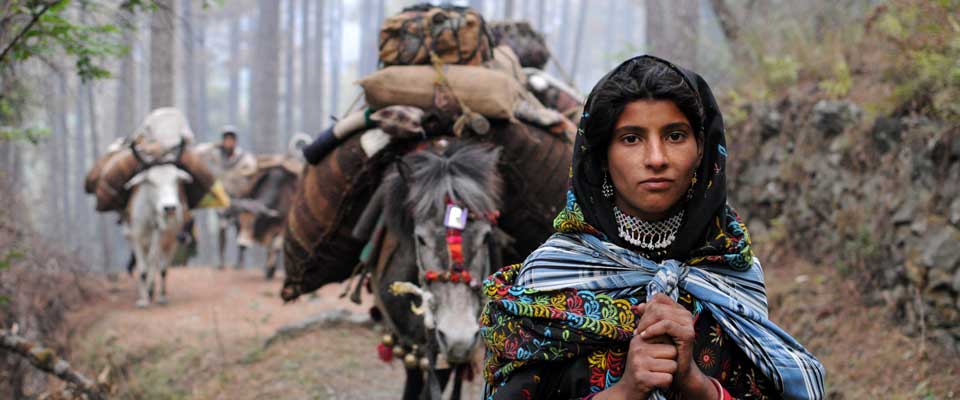
Van Gujjar and Himalayan communities in Uttarakhand, Himachal Pradesh and Uttar Pradesh keep buffalo within systems of milk collection, household income and seasonal movement. The animal belongs to a living household economy, not merely a source of raw material. Furniture glue traditions fit this setting when they use waste material and existing community skills.
Milk and buffalo husbandry are also food-security concerns, so the Global Hunger Index provides useful context on pressures affecting pastoral and mountain livelihoods. Any revival of hoof-glue production should account for herd health, food needs and fair distribution of value rather than treating the craft as a ready-made industry.
From hoof to usable adhesive
The traditional process starts with collecting and cleaning hooves, then soaking and simmering them to release soluble collagen. The liquid is strained, concentrated and cooled into cakes, sheets or pellets. Before use, makers rehydrate it with warm water and brush it onto clean, properly prepared wood.
Temperature, proportion and timing determine the result. Excess heat can weaken the protein; damp timber or misaligned parts can create weak spots. Joints are clamped until the adhesive sets and then left to cure. Small-scale production also needs ventilation, burn protection and hygienic handling. Its dark colour and strong smell are distinctive, and modern buyers may need an explanation of the process.
Why it suits particular furniture work
Animal glue has long served where makers want a firm wood bond without permanently locking a repair. It can suit chair components, drawers, frames, veneer, marquetry and small joint reinforcements. Because it responds to moisture and can creep under sustained load, it should not be assumed suitable for critical structural joints without testing.
Traditional furniture also depends on visible handwork and repairable construction. A neat glue line can support a joint while leaving grain and tool marks visible. PVA, polyurethane and epoxy remain convenient in Australian workshops, but they generally create permanent bonds and are less compatible with some conservation work.
Livelihoods, animals and responsible sourcing
Responsible production begins with sourcing. Hooves should be recovered through legal, humane supply chains, including waste from slaughtered animals, and never taken from a living buffalo. Makers need traceability so buyers can distinguish traditional material from synthetic products. Fair payment for collection and processing matters as much as technical quality.
SOPHIA, an Indian registered non-governmental organisation, supports indigenous rights, forest and domicile rights, sustainable pastoral livelihoods, buffalo husbandry and milk marketing. Its rights-based work connects community empowerment, mobilisation, advocacy, government engagement and partnerships. The relationship between livestock, dignity and collective rights is central to the SOPHIA community work.
Any enterprise must also account for fuel, water and labour. Shared equipment and training for younger makers can spread costs, while returning a fair share of income to households helps the activity strengthen milk and herd-care systems rather than compete with them.
What Australian makers can learn
Australian makers can study the adhesive’s reversibility without copying the process wholesale. Conservation studios, restorers and ethical workshops may find it useful for selected repairs, while designers can plan joints that can be separated and renewed. Its limits—humidity sensitivity, preparation time and heat requirements—should be explained.
Local conditions matter. In Melbourne, Sydney and Brisbane, timber species, humidity and second-hand supply chains differ; reclaimed boards from salvage yards may carry old glue residues that need identification. Specialist suppliers and repair events are better places to trial it than a mass-market aisle. Australian Consumer Law also requires sellers not to make misleading claims about durability, origin, safety or environmental performance, so labels should state what the product contains.
Imports add another layer. Buyers should check current Department of Agriculture, Fisheries and Forestry biosecurity and customs requirements, especially for untreated animal material. State and territory rules on waste, workshop safety and product labelling may also apply. These are practical checks for responsible experimentation.
Keep the craft visible and useful
Support this work by sharing information about SOPHIA’s buffalo husbandry and milk-marketing initiatives with Australian makers, restoration groups and local craftspeople; asking suppliers for traceable animal-derived adhesives when a project genuinely benefits from them; and backing community-led enterprises that return skills and income to village households. A careful repair or well-documented joint can keep knowledge active without turning a living tradition into a museum display.
Organisers can connect craftspeople with Australian restorers and ethical distributors while ensuring collaborations return skills, income and decision-making power to the community. Makers can begin by noticing how local furniture is repaired, then seek out craftspeople who can explain the source, use and limits of traditional adhesives. Attention can become demand, and demand can support a durable livelihood when anchored in dignity.