




Buffalo dung for fuel and shelter in Himalayan villages
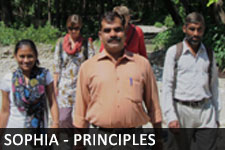
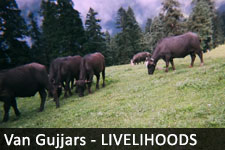
The use of buffalo dung as fuel and building material in Himalayan villages reveals how closely livestock, forest access and everyday shelter are connected. Van Gujjar and other village communities in Uttarakhand, Himachal Pradesh and Uttar Pradesh keep buffalo for milk, savings and cultural continuity, so dung represents a usable resource rather than waste. For SOPHIA, strengthening these livelihoods while protecting Indigenous rights means examining who controls the resource and who receives the benefit.
Dried dung cakes can supply a cookstove, while dung-rich plaster can finish an earthen floor or wall. These practices may reduce firewood purchases, retain money locally and sustain skills in building and repair. Their value depends on herd health, secure access to grazing and the time available to gather fuel.
Tradition alone is not a sufficient safeguard. Indoor burning releases smoke and carbon monoxide, and removing manure from fields can reduce soil nutrients. Clean combustion, sanitation, community control and forest management must accompany any effort to expand dung use.
Dung cakes in everyday cooking and heating
Dried buffalo dung cakes burn steadily, store well and cost little where buffalo are kept. Households make them during drier months and use them for cooking or warmth. A maintained enclosed stove burns fuel more efficiently than an open hearth.
Gathering, drying and carrying fuel takes time, often falling to women and girls with other domestic duties. Families that lose animals through disease, debt or migration lose dung, milk income and household energy together. Biogas and improved stoves can help, but only if affordable, repairable and suited to local cooking practices.
Smoke control requires sound combustion, a working chimney or vent and exhaust outdoors; a decorative lid is no substitute. Keep combustion equipment away from cooking areas where possible, never leave it unattended and arrange indoor-air testing in heavily used kitchens.
Dung in earthen walls and floors
Many Himalayan homes combine stone, timber and earth. Dung can be mixed into clay plaster and worked into floor or wall finishes for a smoother surface. It is an additive, not a load-bearing substitute for sound foundations, suitable timber or engineered masonry.
Local knowledge of soils and climate remains valuable, but repairs still need sound bases, drainage and protection from rising damp. Buildings facing heavy rain, seismic movement or high groundwater need qualified local builders and engineers to assess them rather than applying a generic dung mix.
Dung-based finishes can also support paid work for trained women masons in repair, plastering and teaching. Training should include safe mixing, dust control, protective clothing and waste treatment. Manure from healthy animals on clean ground differs from sewage- or chemical-contaminated material, and surfaces near food require proper hygiene controls.
Turning a by-product into shared income
For buffalo-rearing households, milk and dung form a connected livelihood. Milk can be sold or processed, while manure becomes fuel, compost or building material. Promising models add value through local skills and safe processing rather than shipping untreated dung over long distances.
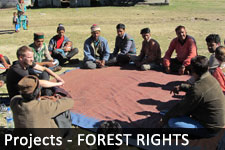
Cooperative aggregation can provide a dependable outlet for fuel and finished products, but transparent pricing and enforceable agreements are essential. Forest and domicile rights belong in the same calculation: where grazing routes, winter shelters or land access are contested, an enterprise is not equitable unless those rights are respected.
Clear figures matter as much as good intentions. A savings group should show total income, costs and each member’s share, just as a poker player might study prize pool calculations before risking money. Checking the arithmetic and assumptions is essential before accepting a headline benefit.
Lessons for Australian mountain communities
Australian mountain communities offer comparisons without needing identical fuel practices. In Bright and Mount Beauty in the Victorian Alps, wood heaters are a familiar household feature. Timber is sold by the bag, bundle or ‘gig’, while councils issue fire restrictions during dangerous bushfire weather.
In New South Wales, the Snowy Mountains and Kosciuszko region use ‘Total Fire Ban’ rules, and smoke can make open fires or some solid-fuel heaters unsuitable. State advice during bushfires includes closing windows and using filtered air where suitable. Community energy planning in the Himalaya should likewise treat smoke exposure as a public-health issue.
Australia’s firewood market shows how regulation and transport influence local prices and reliable dry fuel. The transferable lesson is not wood versus dung, but how clean, affordable energy is produced and controlled locally. Respectful partnership means listening to residents, paying for their expertise and avoiding fuel systems that deepen forest pressure.
A responsible path for donors and partners
External support works best when the people who use a resource help decide its purpose. Donors and partners can work through SOPHIA and community organisations to safeguard Indigenous governance, publish realistic costings and scale only options that residents consider useful.
- Begin with a household assessment covering fuel use, indoor smoke, collection time, local prices and seasonal herd availability.
- Pair every fuel programme with tested clean combustion, ventilation, safe installation and funded maintenance.
- Invest in local skills for dung processing, masonry and quality control, including paid training and hygiene standards.
- Use cooperative marketing only where producers choose it, with written prices, clear payment schedules and accountable profit sharing.
- Respect forest, domicile and pastoral access rights through informed consent and the right to refuse a project.
- Measure exposure, time spent collecting fuel, income retained locally, building performance and community decision-making power.
The most useful response is to place Himalayan village expertise and leadership at the centre. Contact SOPHIA through its website to offer financial support, partnerships, relevant technical skills or responsible public sharing, with current community priorities guiding the conversation.