



When buffalo milk gives way to goat milk at summer camps
As summer heats up, pastoral households in Uttarakhand, Himachal Pradesh and Uttar Pradesh can see milk patterns change. Buffalo milk remains culturally and nutritionally important, but heat, feed conditions, animal movement and transport can complicate supply. Goat milk becomes a practical camp ingredient when it is available close to the kitchen.
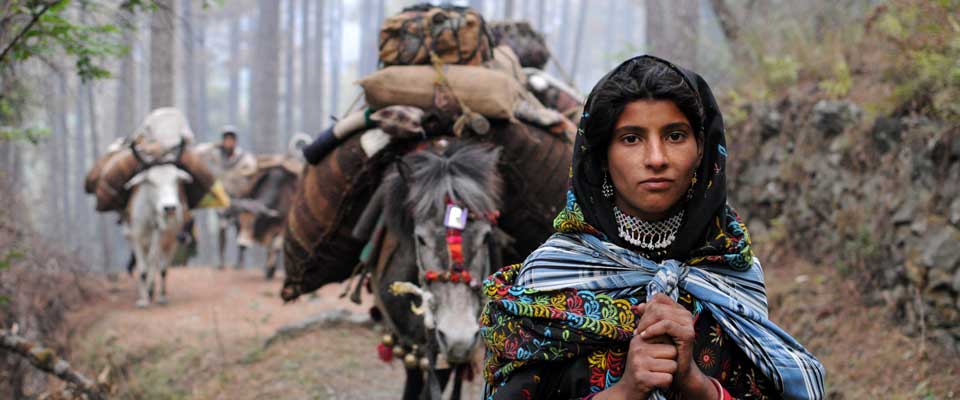
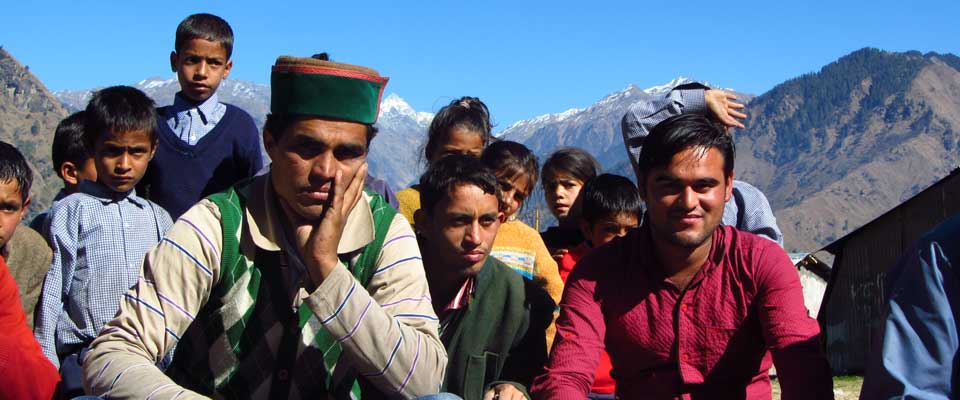
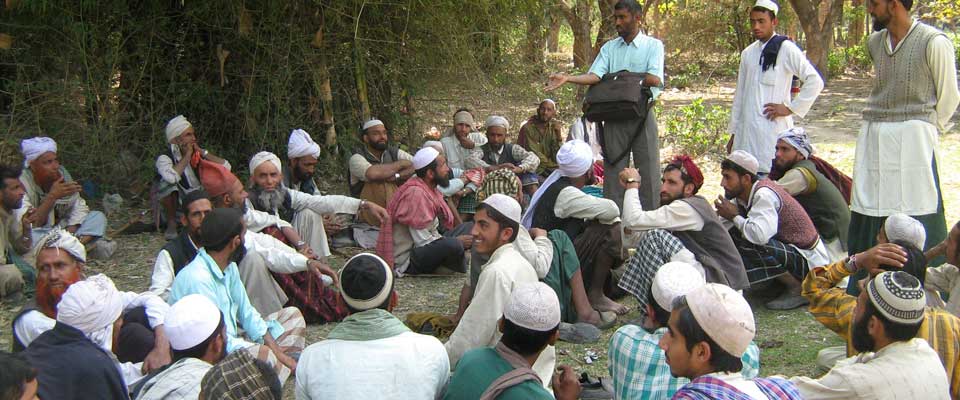
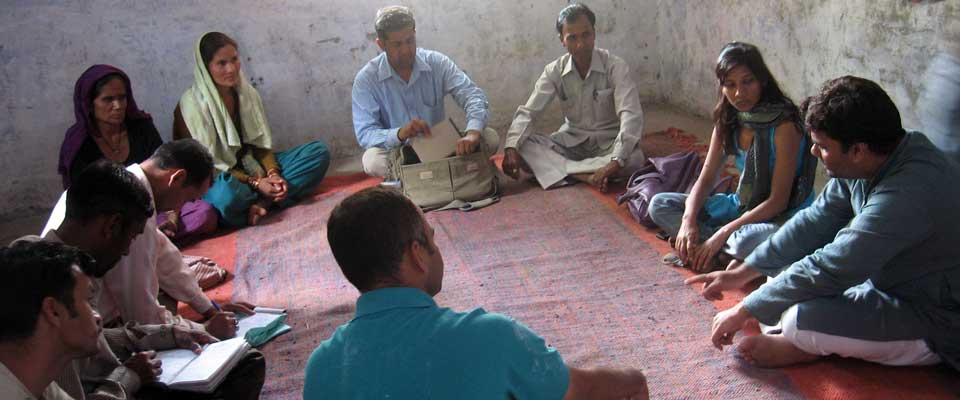
SOPHIA is an Indian registered non-governmental organisation working with Van Gujjar and Himalayan village communities. Its work connects Indigenous rights, forest and domicile rights, sustainable pastoral livelihoods, buffalo husbandry and milk marketing with advocacy and government engagement. A dietary change affects household income as well as camp menus.
For Australian readers, the comparison is useful but not one-to-one. Sydney’s humid coastal camps, Melbourne’s specialty-dairy shops and farmers’ markets, and supermarket shelves stocked with goat and cow milk offer familiar references. The purpose is to understand why supply changes and who benefits, not to transplant a menu wholesale.
Why summer changes the milk supply
Milk availability follows animal cycles, not menu preference. Buffalo lactation and yield can vary with the season, while goats may kid and milk more often, shortening supply gaps. Breeds, feed, water and herd health shape the pattern, so camps should plan with nearby producers rather than assume a universal rule.
Goat milk varies in nutritional composition. Fat and protein levels change with breed, diet and processing, as they do for buffalo and cow milk. Ask producers about feed and handling, then use the milk in dishes suited to it. Preserve familiar foods without presenting the change as an emergency or downgrade.
Reliability is the central concern. A steady order from a village milk group can support household income and reduce waste from bulk collection. It also gives organisers a clearer forecast than buying whatever appears at a distant market on the morning of arrival.
What shifts in the camp kitchen
A seasonal dairy change affects ordering, storage and cooking. If goat milk arrives in smaller batches, it may need frequent collection, prompt chilling and quick use. Check insulated carriers and generators, record temperatures and confirm that refrigeration remains available during a power interruption.
Australian operators will recognise the challenge of protecting milk in summer heat. A camp outside Sydney may face humidity and long transfer times, while a program near Melbourne can experience sudden warm spells. Emergency meal plans should reflect what is in the cool room, not a menu printed before the season changed.
Service is another detail. Some campers cannot drink cow or buffalo milk, while goat milk may suit others, but allergies and medical needs should never be inferred from a menu switch. Clear ingredient information and communication with families help staff prepare suitable alternatives without health claims.
Community authority and fair markets
For SOPHIA’s communities, milk marketing is tied to agency and rights. Van Gujjar and Himalayan households hold knowledge of forests, water, animal care and seasonal movement that formal markets can overlook. Buying through community structures keeps more value with producers when prices and payments are transparent.
Goat husbandry can widen income options, but markets should not push families away from buffalo ownership or place the full burden of adaptation on women and girls who collect milk, care for animals or manage sales. Projects should ask who controls the sale, carries the risk and receives payment.
Australian markets offer a useful comparison. A Melbourne farmers’ market stall may sell local goat milk under a producer’s name, while supermarkets list familiar two-litre formats. Ethical partnership also requires fair prices, dependable purchasing and respect for community decisions, not only neat packaging. Organisations exploring camp-based education can consult the Camp to Belong programme for related approaches to community-centred learning.
A practical checklist for camp organisers
Agree a seasonal dairy plan before campers arrive and review it through the first hot weeks. Combine practical procurement with clear responsibilities, retain buffalo milk where it remains important, and avoid leaving staff to negotiate trade-offs alone.
Supply and producer checks
- Map nearby goat-milk producers and confirm capacity, season and minimum orders.
- Agree prices, payment dates and volumes with community sellers.
- Ask about feed, herd health and milk handling, respecting household privacy.
- Test the cold chain from collection point to camp kitchen, including backup power and ice.
Once quantities and terms are clear, the kitchen can plan dishes without changing menu choices late in the week.
Kitchen and guest-care checks
- Label each batch with source, delivery date and storage status.
- Adjust recipes for flavour, setting time and cooking behaviour.
- Record allergies and dietary needs confidentially, then provide suitable alternatives where goat milk does not meet a camper’s needs.
- Monitor temperatures, leftovers and waste to adjust future orders.
Small ordering changes can prevent waste and keep money circulating locally. Australian camps often use reusable containers, communal kitchens and strict rubbish sorting; the milk plan should fit those systems rather than add disposable packaging. Regular feedback between kitchen staff, suppliers and camp leaders keeps the transition accountable.
Support community-led seasonal resilience
Camp menus can support seasonal resilience when purchasing reflects community priorities. A shift toward goat milk is meaningful when it expands reliable opportunities for Van Gujjar and Himalayan producers, safeguards household knowledge and keeps kitchens supplied without weakening buffalo-based livelihoods.
Organisations can help by funding community-led milk marketing, sharing procurement expertise, supporting cold-chain equipment and connecting camp practitioners with SOPHIA’s partners. For Australian teams, long-term purchasing, fair remuneration and shared decisions matter more than one-off donations.
Get involved with SOPHIA by choosing it as a project partner, inviting community representatives to shape the programme and contributing to a fund for reliable milk collection and fair payment. Your support can turn a practical menu adjustment into stronger local livelihoods and a durable partnership.