


Buffalo in traditional wedding dowry exchanges
Across some Van Gujjar and Himalayan communities in Uttarakhand, Himachal Pradesh and Uttar Pradesh, a water buffalo may form part of the livestock and gifts exchanged when a marriage is arranged. The animal is rarely an isolated purchase: it sits within family obligations involving cash, jewellery, household goods and reciprocal gifts. Calling all these transfers dowry can obscure local distinctions among bridewealth, bride-price and marriage payments.
Buffalo matter because they convert mountain pasture and crop residues into milk, manure, draught power and breeding stock. Their role in a wedding therefore connects intimacy with livelihood and resilience. For readers in Sydney, Melbourne or Brisbane, where milk is commonly bought in two-litre containers and cafés serve flat whites, the social economy behind a milk-producing animal can seem remote.
Why a buffalo carries marital value
In Himalayan markets, buffalo milk is often valued for its fat content and for products such as paneer, khoya, butter and ghee. A productive milch buffalo can supply household food and a marketable surplus, while a working animal can till fields or carry loads. Calves, manure, hides and breeding potential add further value.
This range makes buffalo useful as transferable wealth. Livestock can alter a family’s bargaining position more quickly than land, while their care creates continuing obligations between households. The exchange may strengthen ties and provide security, yet it can intensify pressure when a family cannot meet an expectation. A pastoral-livelihood lens, including the perspective offered by The Demeter Foundation, places that asset value within questions about grazing access and community markets.
Milk, work and household power
Caring for buffalo is continuous work. Feed, water, milking, cleaning, veterinary care and herd management often draw on women’s labour, even when men control sales or hold legal title. A wedding transfer can therefore affect not only who owns an animal but also whose daily work expands and whose income becomes visible.
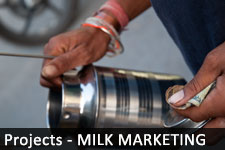
Milk marketing can turn that labour into dependable household cash. Collection points, chilling and producer groups can reduce the isolation of remote settlements, but households still face feed costs, disease and price changes. A rights-based approach asks who decides, who benefits and who carries risk, while recognising that secure forest and domicile rights affect whether buffalo can remain productive rather than be sold under pressure.
Customs that need careful interpretation
No single rule governs every Van Gujjar or Himalayan wedding. Region, religion, family resources and oral custom shape the terms, so broad claims can misrepresent communities with little in common. Any account should be built with families rather than inferred from one ceremony.
Common elements to document
- Buffalo, cattle, goats, sheep or ponies contributed through a marriage network.
- Cash, gold, clothing, utensils, bedding or household resources in some arrangements.
- Reciprocal gifts from the bride’s family to the groom’s relatives, making the exchange more than a one-way payment.
- Instalments, borrowed animals or livestock sales when the agreed contribution is large.
Rights and welfare safeguards to verify
- Marriage entered freely, with applicable age and registration requirements respected.
- Valuations, debts and expectations disclosed without coercion or hidden charges.
- Women given meaningful control over earnings, livestock decisions and later sales.
- Humane transport, suitable feed and shelter, veterinary care and responsible herd management.
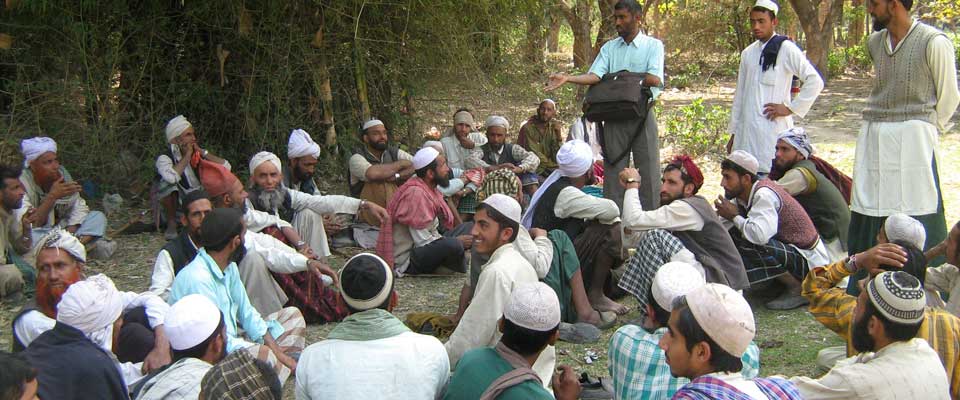
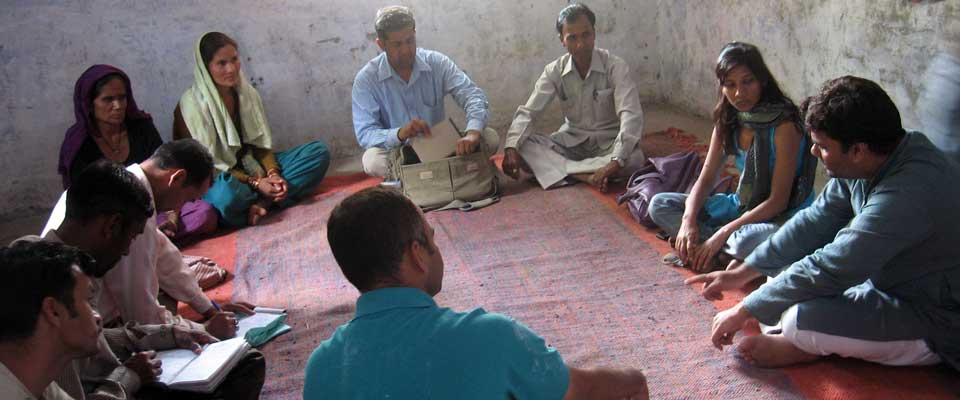
These are not universal rules imposed from outside. Community gatherings can clarify local terms, while legal and animal-welfare advice can expose risks that oral custom alone may not address. Documentation should protect family dignity and privacy as well as livestock.
Australian markets and legal parallels
Australian food markets make buffalo’s daily value easy to overlook. In supermarkets and convenience stores across Sydney, Melbourne and Brisbane, consumers choose refrigerated full-cream, skim or lactose-free milk in standard containers; cafés also turn a flat white into a familiar daily habit. Behind both are dairy animals, refrigeration and delivery networks.
Regional Australia shows another side. Saleyards and auction systems across New South Wales and Victoria reveal livestock value through public prices, while northern Australia has established buffalo herds raised mainly for beef rather than milk. Producers in both places still manage grazing pressure, drought, transport, disease and volatile markets.
Regulation supplies a useful comparison. State and territory animal-welfare laws govern livestock treatment and movement, the Livestock Production Assurance scheme sets standards for participating producers and processors, and the Australian Consumer Law requires accurate food labelling and quality. Native title also shapes authority over Country, access and economic benefits in parts of Australia. The legal contexts differ from Himalayan forest and domicile rights, but both show how control over land and animals is tied to identity, livelihoods and recognition.
From wedding asset to a shared future
The purpose of reform is not to erase wedding customs that carry family memory and mutual support. It is to ensure expectations do not become debt, women’s consent and control are respected, and animals are not moved or sold in ways that cause avoidable harm. Community-led discussion can identify which customs remain valued and which need adaptation as markets, migration and public services change.
Through SOPHIA’s rights-based approach, the Indian non-governmental organisation uses community mobilisation, government engagement and partnerships to reinforce forest and domicile rights, sustainable pastoral livelihoods and fair milk marketing. Australian readers can help by supporting credible community-led work and sharing accurate accounts that move beyond simplistic ideas about dowry. Explore SOPHIA’s projects and ways to get involved, and help place buffalo husbandry within a campaign for dignity, agency and rural resilience.