



Hookah, stories and community life among Van Gujjars
Across the Himalayan belt, the evening gathering can matter as much as the stories exchanged within it. The role of the hookah in Van Gujjar evening storytelling circles extends beyond a smoking habit: a shared waterpipe can mark the end of the day, ease conversation and create a familiar setting for oral history.
Customs differ by household, age, gender, faith and village, so no single pattern should be assumed. For SOPHIA, an Indian registered non-governmental organisation, careful listening is essential. The organisation supports indigenous rights, forest and domicile rights, and sustainable pastoral livelihoods among Van Gujjar communities in Uttarakhand, Himachal Pradesh and Uttar Pradesh.
A shared object for evening conversation
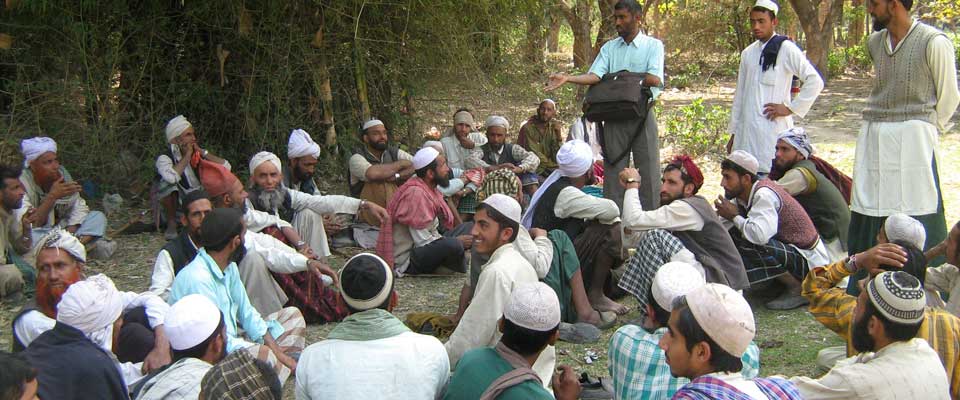
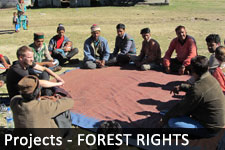
In some pastoral households, a hookah—also called shisha or a waterpipe—may be prepared after dinner. People settle around the charcoal-heated bowl while elders recount journeys, seasonal customs, migrations and earlier events. The pipe anchors the gathering, although conversation and memory remain its true focus.
Shared smoking also creates pauses for questions and reflections. Younger listeners may learn why a fodder source failed, how weather altered a migration route, or how animals were treated during illness. Such knowledge supports identity and practical decision-making across generations.
Stories that carry practical knowledge
Van Gujjar oral traditions are not merely entertainment. Stories preserve adaptations to mountain life, including animal husbandry, food practices, water use and negotiation of shared grazing areas. In a storytelling circle, the hookah can provide a consistent cue for attention, repetition and interpretation.
Listeners do more than absorb a fixed text. They compare remembered accounts with current conditions, challenge exaggeration and add local observations. The resulting narrative can preserve contested histories and reveal which community knowledge still guides daily choices.
Listening before intervening
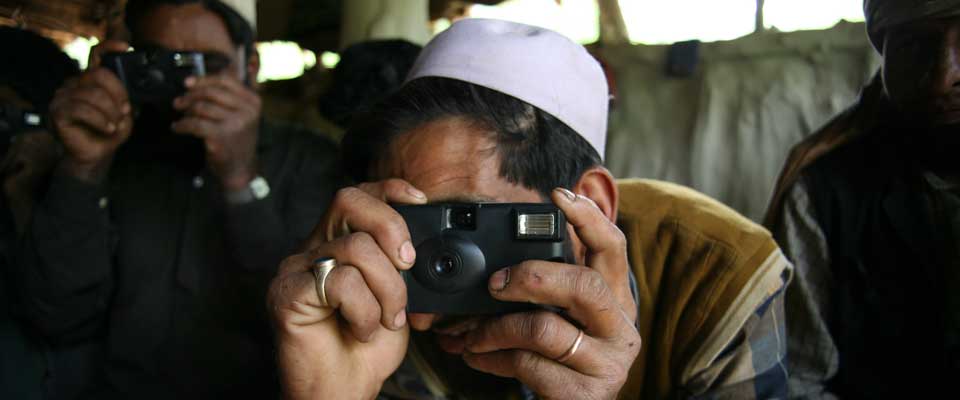
SOPHIA’s involvement should therefore begin with consent rather than intervention. Community members can explain who uses the hookah, who speaks and listens, and whether the circle is considered private. Photographing faces, recordings or tobacco branding requires clear permission, while discussions of customary practices should avoid extracting them from context.
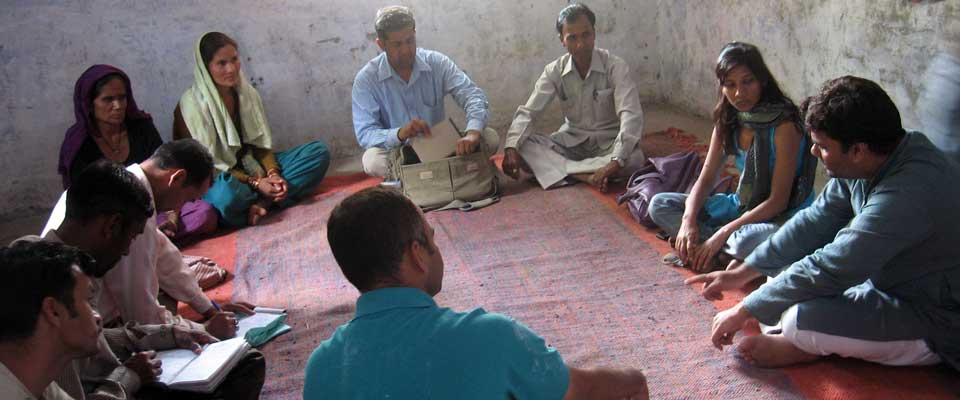
Social mobilisation and government engagement can benefit from what people hear in these circles, but the organisation should not use the gathering as a propaganda setting. Its rights-based approach works best when residents set priorities, speak for themselves and decide what is shared with officials or partner NGOs.
Health, change and cultural continuity
Smoking raises immediate health questions. Charcoal combustion and tobacco exposure can harm participants and bystanders, especially indoors, while nicotine dependence may deepen an existing habit. Van Gujjar families also face changing access to tobacco products and growing pressure to follow smoke-free public guidance.
Health information should not stigmatise the circle or erase its social value. Communities can discuss ventilation, smoke-free homes and alternatives such as tea or food, while retaining storytelling itself. This distinction allows advocates to protect wellbeing without treating oral culture as a problem.
Links to rights and pastoral livelihoods
Because pastoral life intersects with forest access, domicile rights, buffalo husbandry and milk marketing, evening talk may touch on land, water, veterinary care, prices or cooperative decisions. These topics should not be attributed to every participant; careful attribution is essential.
For SOPHIA, the hookah circle can illustrate why community empowerment requires presence, patience and local knowledge. It is a possible setting for trusted dialogue, not a substitute for representative meetings, documented consent or fair grievance systems. Listening can connect cultural continuity with practical advocacy.
Australian parallels for responsible engagement
Australian comparisons can illuminate both hospitality and responsibility. In Sydney, Melbourne and Brisbane, multicultural restaurants, suburban backyards and community centres host shared meals and long conversations. Coffee routines such as a flat white or takeaway tea often structure everyday social time, much as tea and the evening meal may structure a Himalayan gathering.
Several local realities are worth noticing:
- Hookah or shisha tobacco appears in some specialist tobacconists and online marketplaces, often alongside conventional cigarettes.
- Outdoor dining, home gatherings and licensed hospitality venues make smoking rules and shared-space habits visible in daily life.
- Tobacco purchase generally requires an age of 18 or older, and advertising is tightly restricted.
The legal environment is significant. Australia’s Tobacco and Vaping Products Administration Act 2024 gives the TGA national authority over tobacco products such as hookah tobacco, while state and territory laws govern smoke-free areas and some retail practices. Legal sale does not make the activity harmless or culturally neutral.
Three questions can guide respectful support:
- Will residents control the agenda, decide who participates and approve any recording?
- Can the storytelling be supported without promoting tobacco or presenting one household practice as universal?
- Can health concerns, informed consent and fair attribution shape the engagement plan?
Support community-led storytelling
SOPHIA can help by treating the evening circle as a living cultural space rather than a publicity prop. Its team can build long-term relationships, document only what communities choose to document, and link residents with peers experienced in rights, pastoral livelihoods, buffalo husbandry and milk marketing.
Australians can act through SOPHIA’s get-involved and project pages: support a community-led initiative, share relevant skills, build an ethical partnership or contribute funds where requested. Such backing strengthens community voices and helps ensure that storytelling remains rooted in dignity, consent and local control.